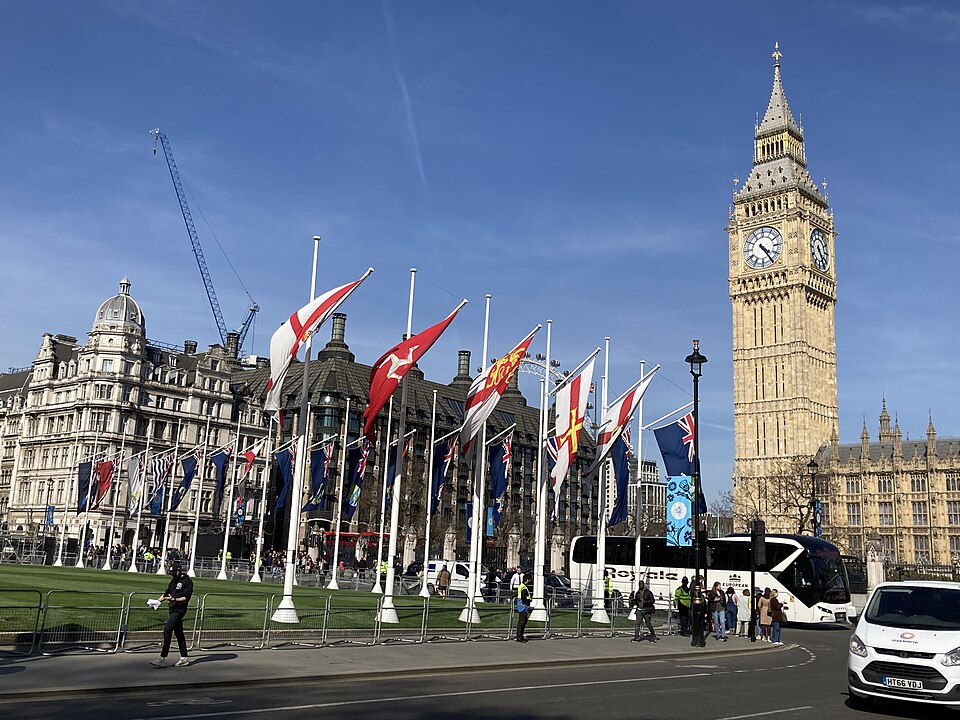
Big Ben & Elizabeth Tower
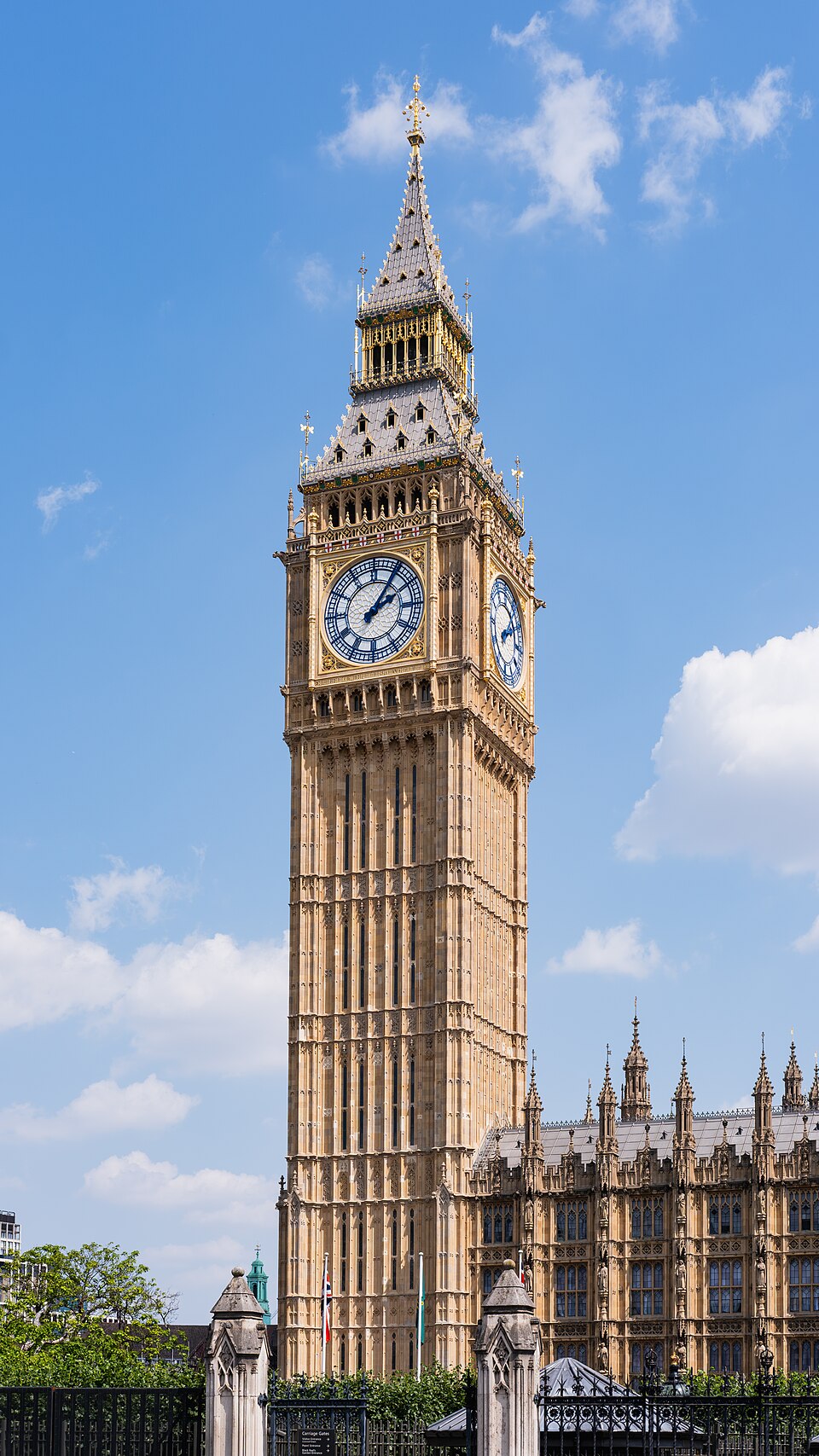
Big Ben is actually the name of the thirteen-and-a-half-ton bell inside the Elizabeth Tower.
The great clock began keeping time in 1859. Its pendulum has traditionally been fine-tuned using old penny coins.
Discover London’s sights and popular places, then save your favourites for your sightseeing ride.
Favourites stay in this browser. No account needed.
Your saved sights are ideas, not a booking. Add them in the sight picker; we’ll agree the route, timing and price on WhatsApp.
99 sights
No sights match. Try another name, area, or turn off “My favourites”.

Big Ben is actually the name of the thirteen-and-a-half-ton bell inside the Elizabeth Tower.
The great clock began keeping time in 1859. Its pendulum has traditionally been fine-tuned using old penny coins.

Parliament Square is London’s political heart, surrounded by Parliament, Westminster Abbey and statues of famous statesmen.
The square took shape in the nineteenth century. Its statues include Winston Churchill, Abraham Lincoln, Mahatma Gandhi and Nelson Mandela.

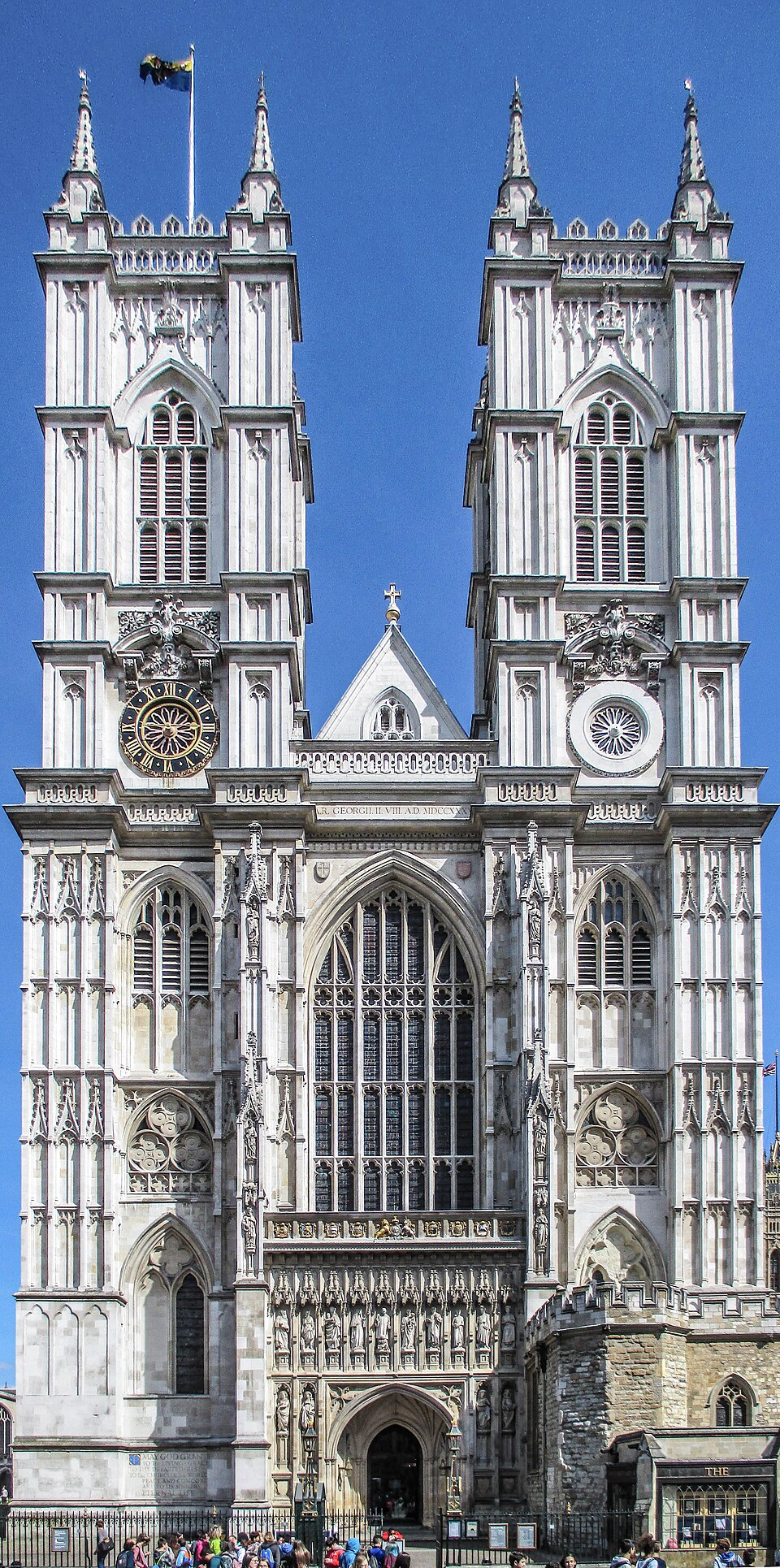
Westminster Abbey has been the church of British coronations, royal weddings and national remembrance for almost a thousand years.
Much of the Gothic building dates from Henry III’s reign. Edward the Confessor had an earlier church built here in the eleventh century.

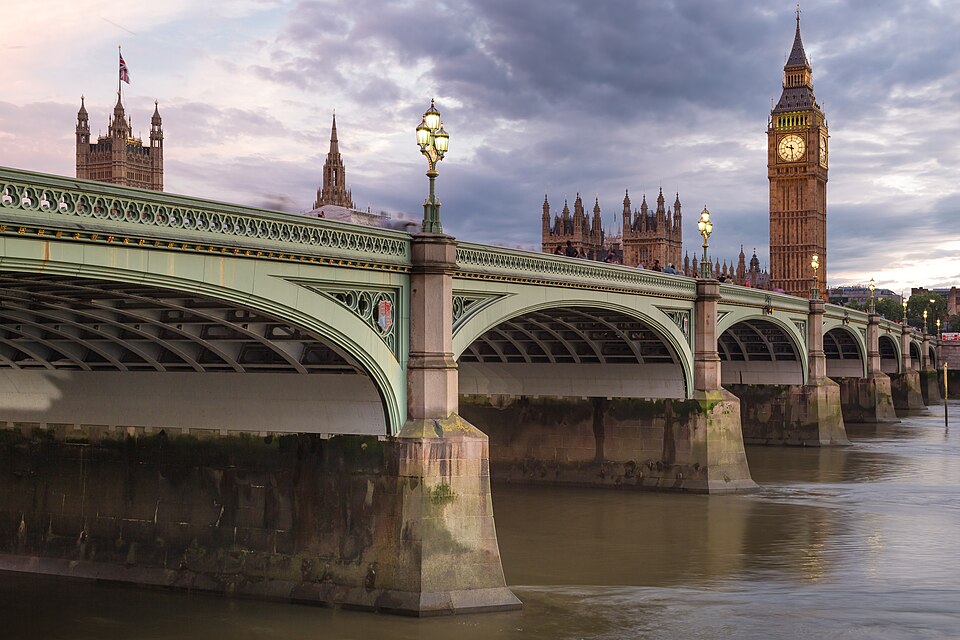
Westminster Bridge is painted green in reference to the House of Commons and provides the classic view of Parliament.
The present cast-iron bridge opened in 1862. Its green colour is traditionally linked with the House of Commons.
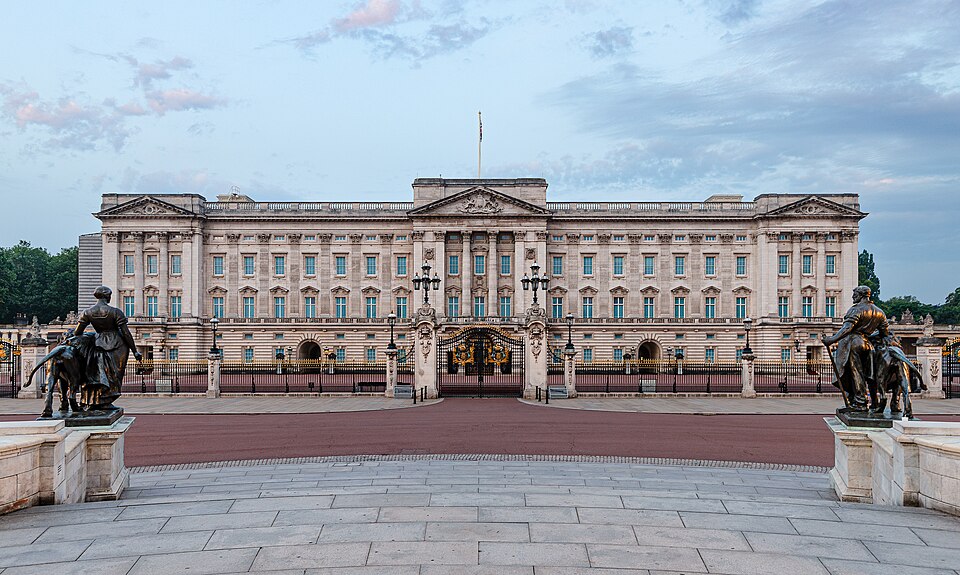
Buckingham Palace is the monarch’s official London residence and the setting for major state ceremonies.
Buckingham House was built in 1703 and later expanded into a royal palace. The famous balcony belongs to its eastern façade.
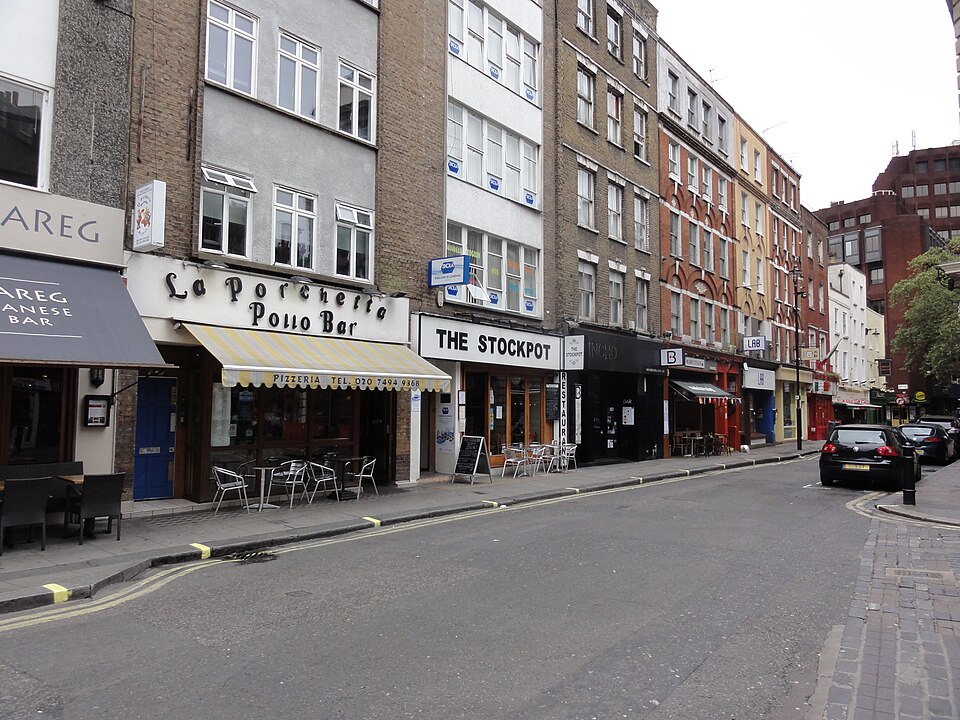
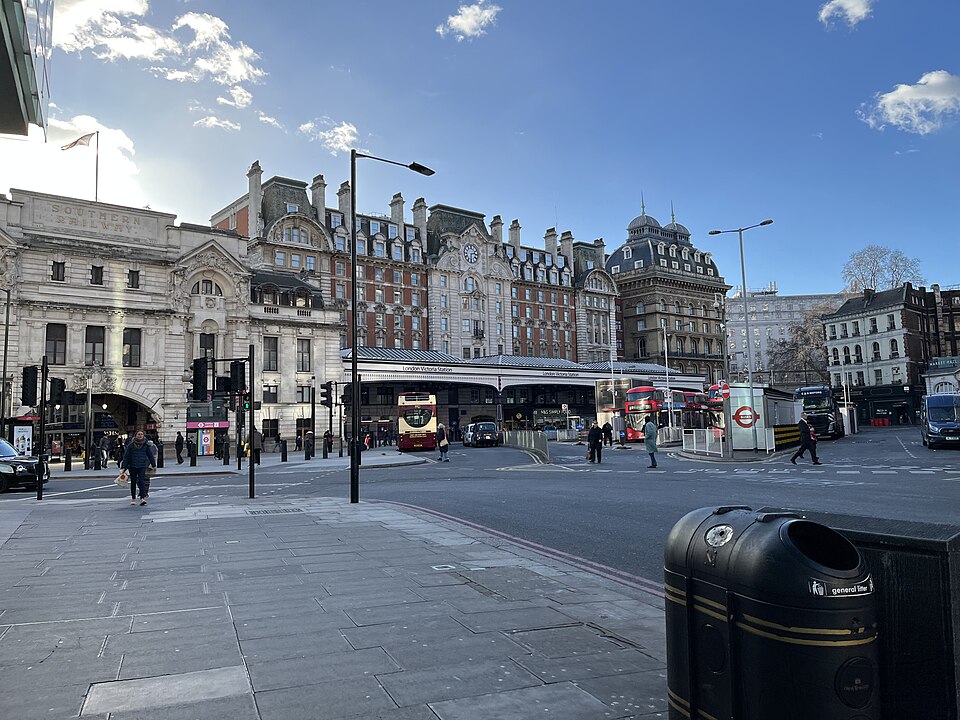
Victoria is one of London’s busiest stations, serving Gatwick Airport and destinations across southern England.
The terminus developed from two neighbouring nineteenth-century stations. Nearby theatres and the palace made the area an important arrival point for visitors.
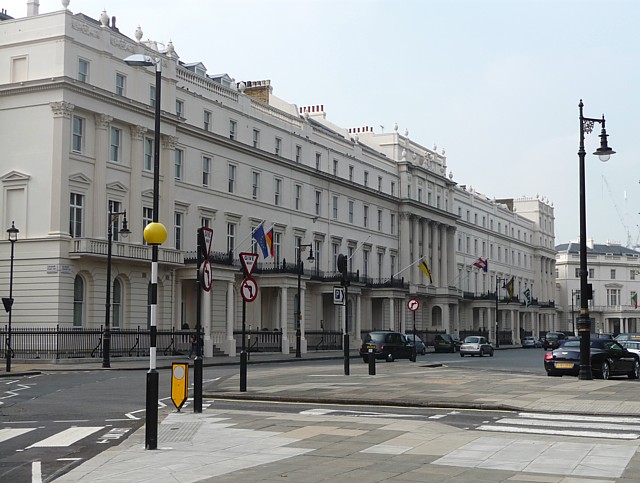
Belgrave Square is one of Belgravia’s grandest garden squares, lined with embassies and nineteenth-century mansions.
Thomas Cubitt developed the square from the 1820s on the Grosvenor estate. Its pale stucco façades became a signature of Belgravia.

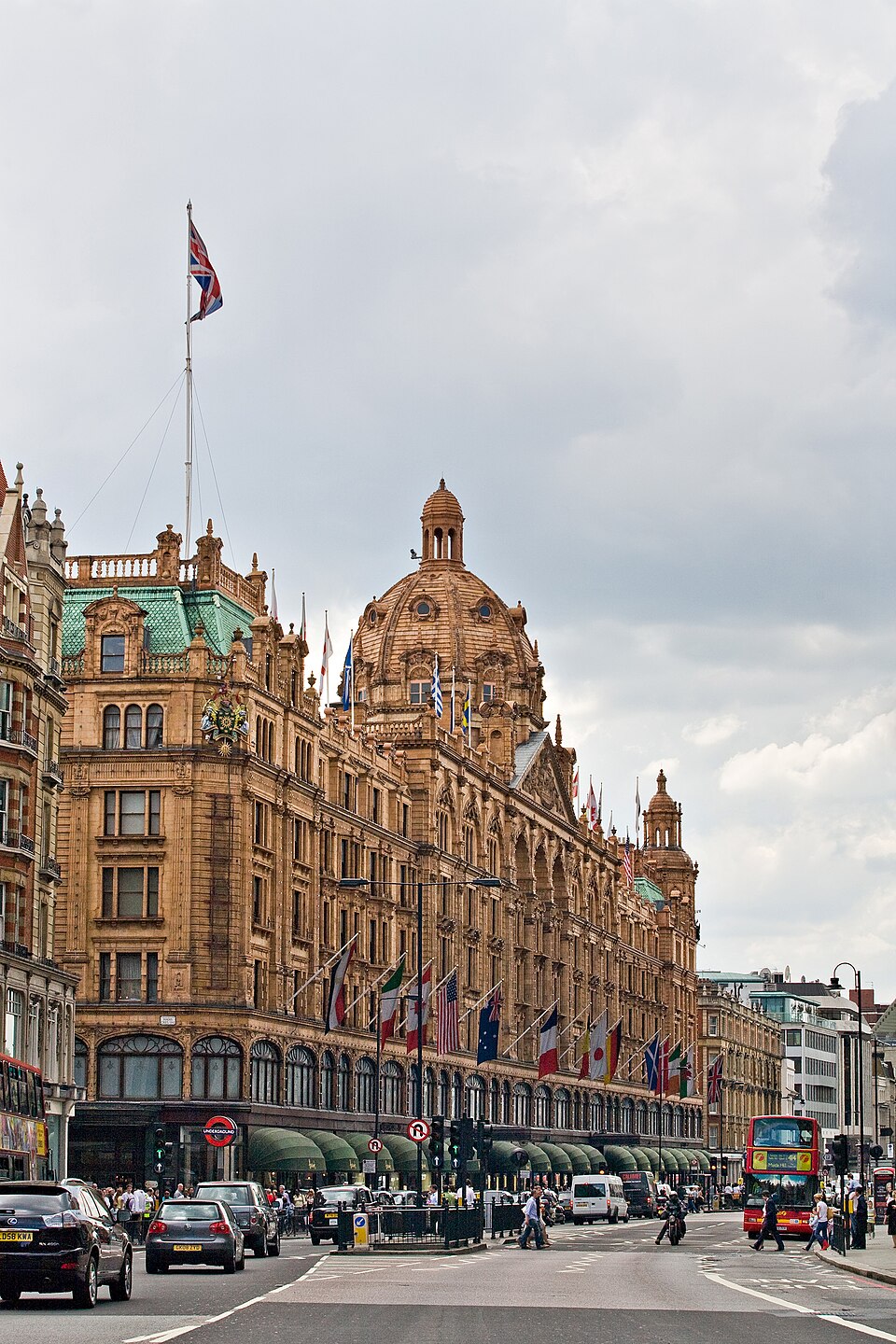
Knightsbridge is one of London’s most affluent shopping and residential districts, beside Hyde Park.
The name may come from an old bridge over the Westbourne stream. Harrods and Harvey Nichols helped establish the neighbourhood’s shopping reputation.

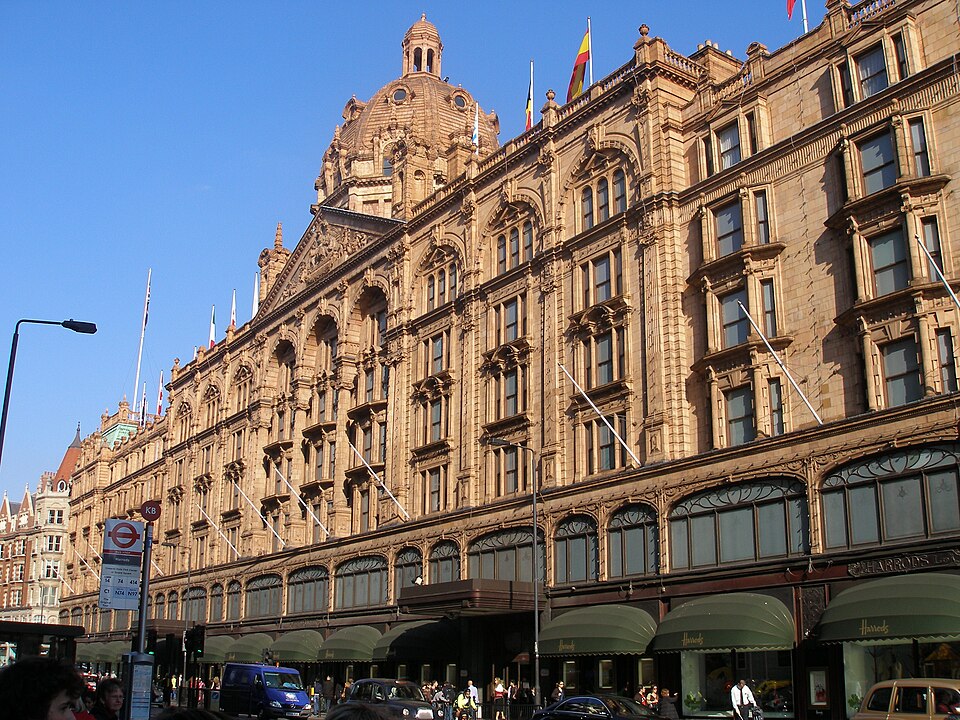
Harrods is one of the world’s most famous luxury department stores, with more than a million square feet of retail space.
The department store grew from Charles Henry Harrod’s nineteenth-century business. Look for the terracotta façade and the richly decorated Food Halls.

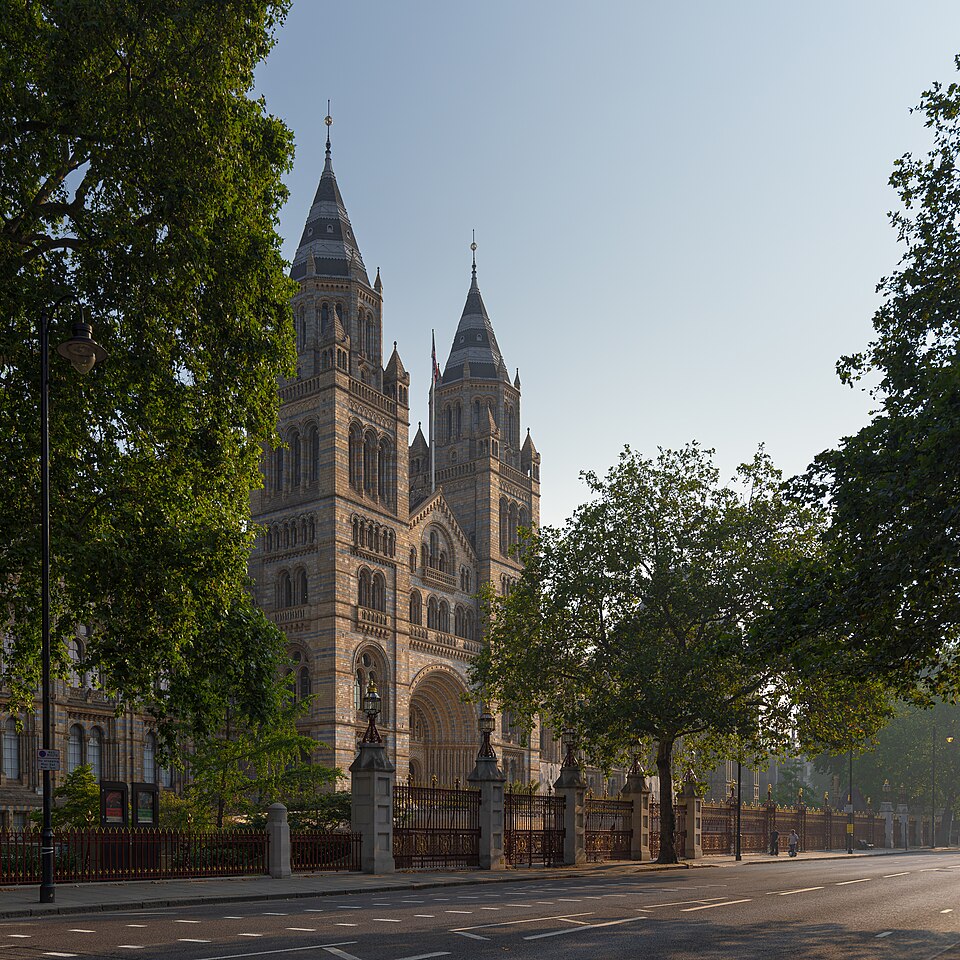
The Natural History Museum houses tens of millions of natural-history specimens in a spectacular Romanesque building.
Alfred Waterhouse’s museum opened in 1881. Animal and plant motifs decorate the building itself, making its architecture part of the collection.

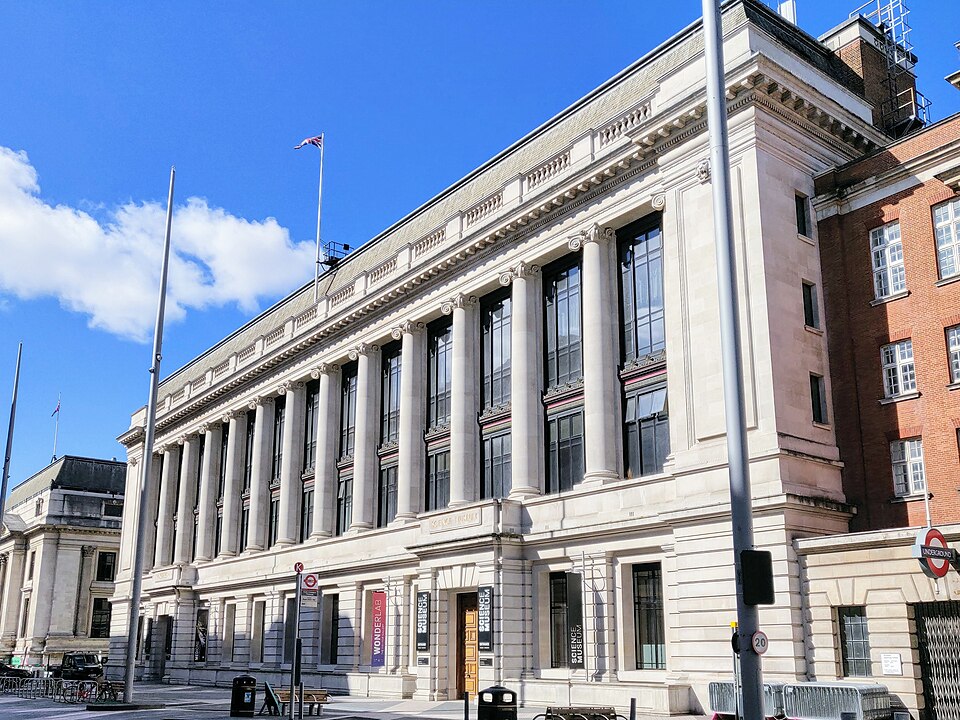
The Science Museum explores the history of science, technology, transport and space exploration.
The collection grew out of the legacy of the Great Exhibition of 1851. Its themes span steam power, aviation, computing and space exploration.

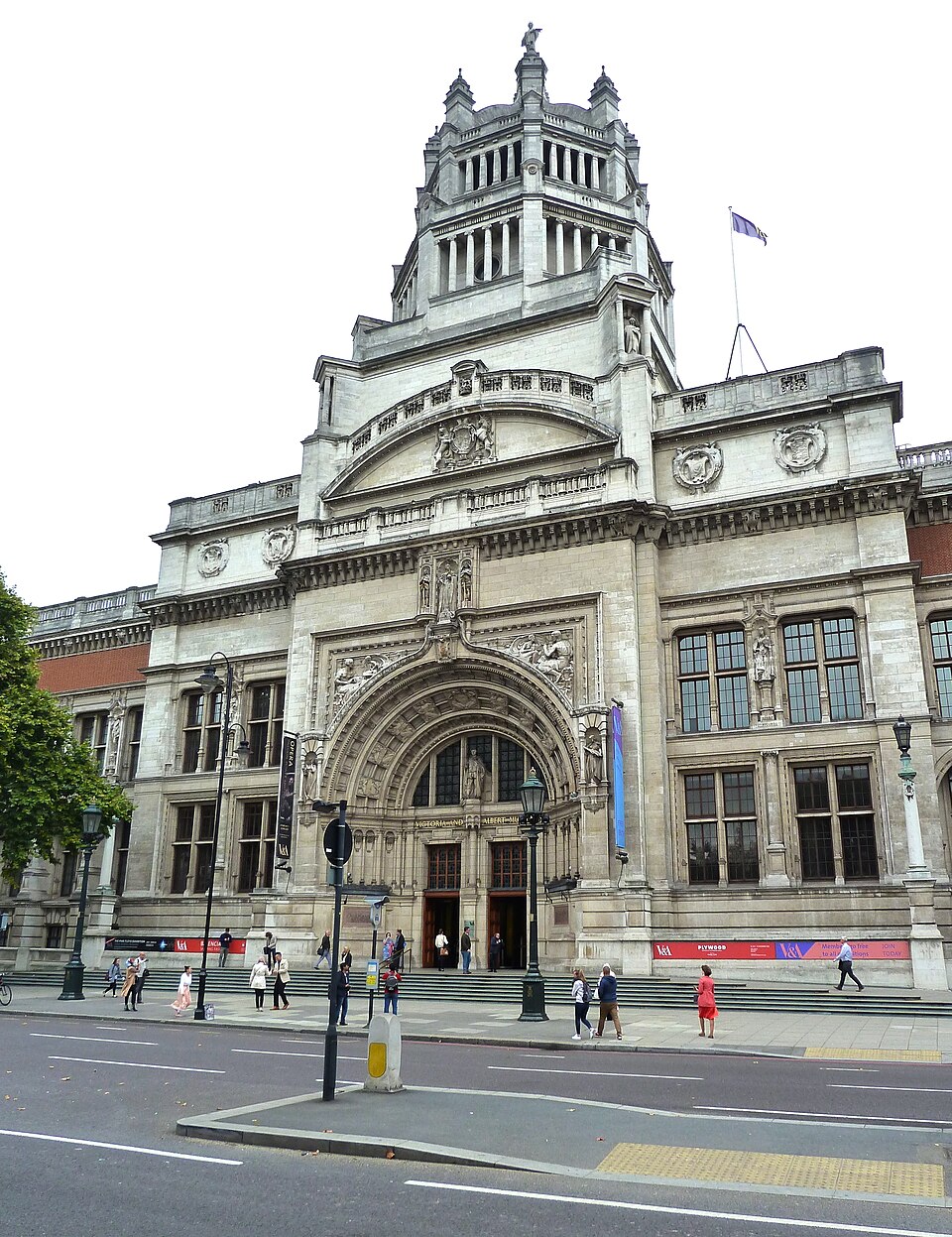
The V&A is one of the world’s great museums of art, design and decorative arts.
The museum developed within the cultural quarter created after the Great Exhibition of 1851. Its collections connect design, craftsmanship and everyday life.

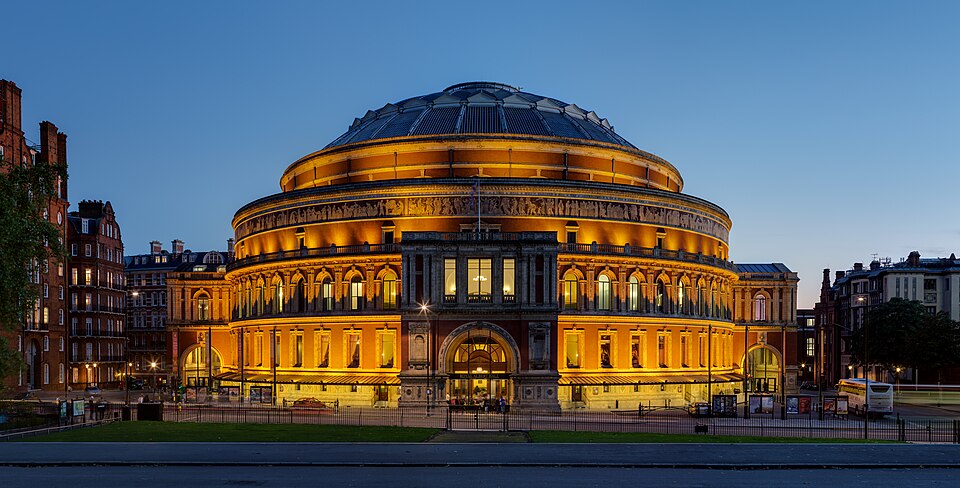
The Royal Albert Hall is London’s celebrated circular concert hall and the traditional home of the BBC Proms.
Queen Victoria opened the hall in 1871 as part of a cultural project commemorating Prince Albert. Its distinctive exterior is built in terracotta.

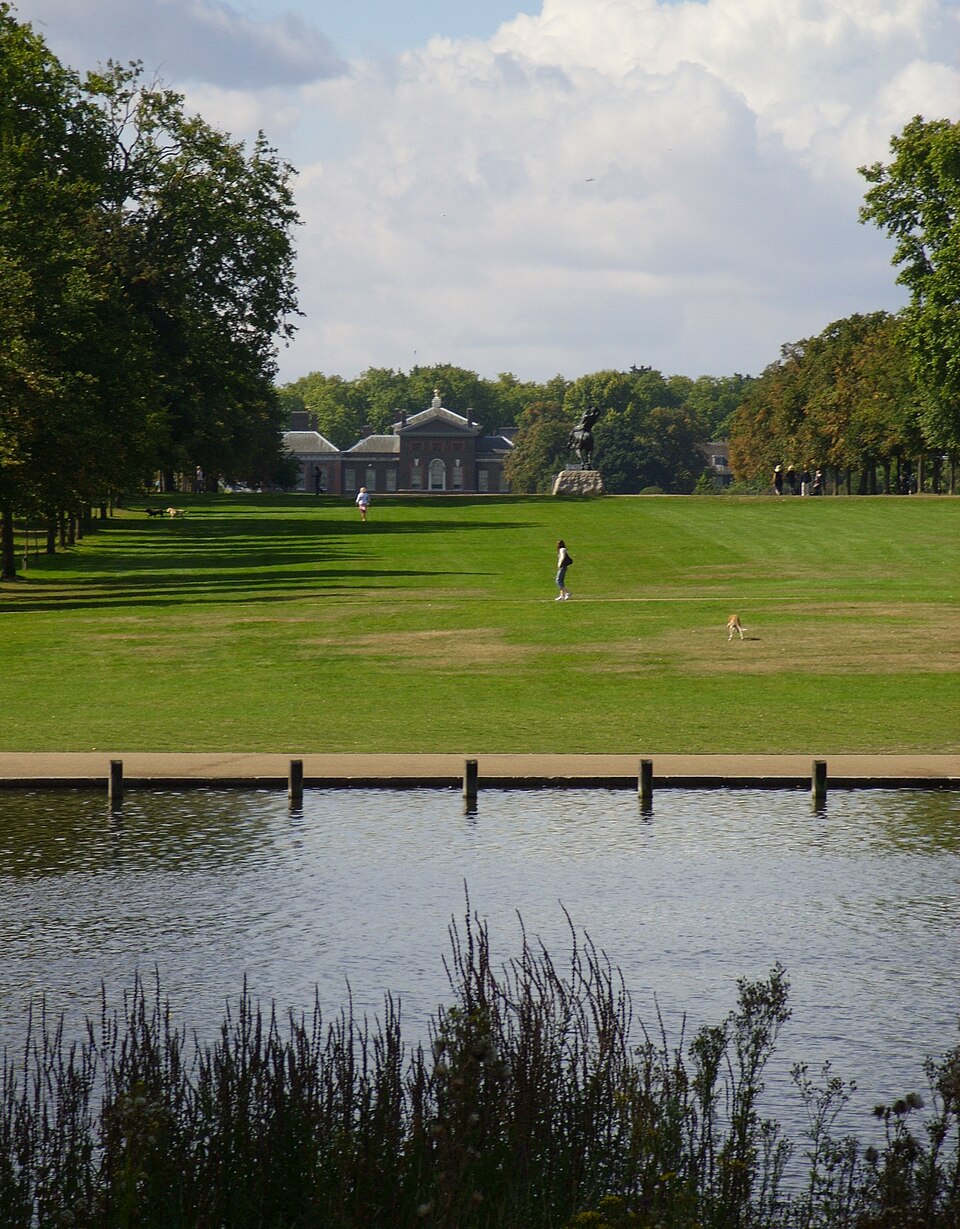
Kensington Gardens began as royal grounds and now forms a vast green landscape beside Hyde Park.
These gardens were separated from Hyde Park in the eighteenth century. Landmarks include the Albert Memorial and the Peter Pan statue.

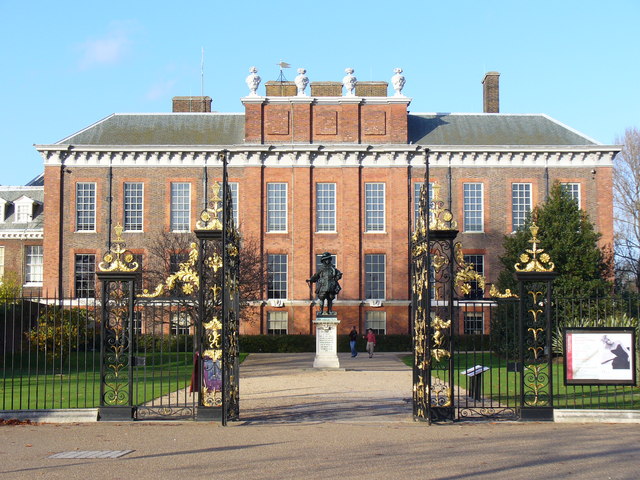
Kensington Palace has been a royal home for centuries and was the birthplace of Queen Victoria.
William III and Mary II transformed the building into a royal residence in the late seventeenth century.

Notting Hill is famous for colourful houses, Portobello Road Market and one of Europe’s largest Caribbean carnivals.
The neighbourhood became home to an important Caribbean community in the twentieth century. Its carnival, antiques market and namesake film spread its reputation worldwide.

Bayswater is a cosmopolitan hotel and residential district north of Hyde Park and Kensington Gardens.
Behind the Victorian stucco terraces are hotels, homes and restaurants. Queensway and Westbourne Grove are two of the area’s principal shopping streets.

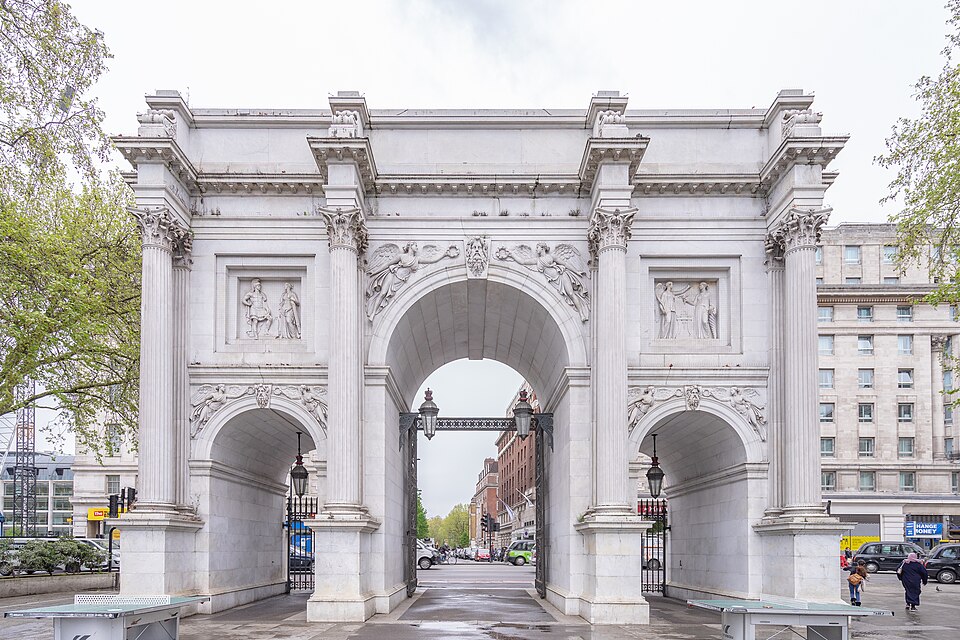
Marble Arch was designed as a ceremonial gateway for Buckingham Palace before being moved here in the nineteenth century.
John Nash designed the arch in white Carrara marble. Its classical form stands out beside the busy junction of Hyde Park and Oxford Street.

Edgware Road follows an ancient Roman route and is now known for its Middle Eastern restaurants and shops.
The road follows the line of the Roman Watling Street towards the northwest. Middle Eastern businesses helped shape its twentieth-century character.

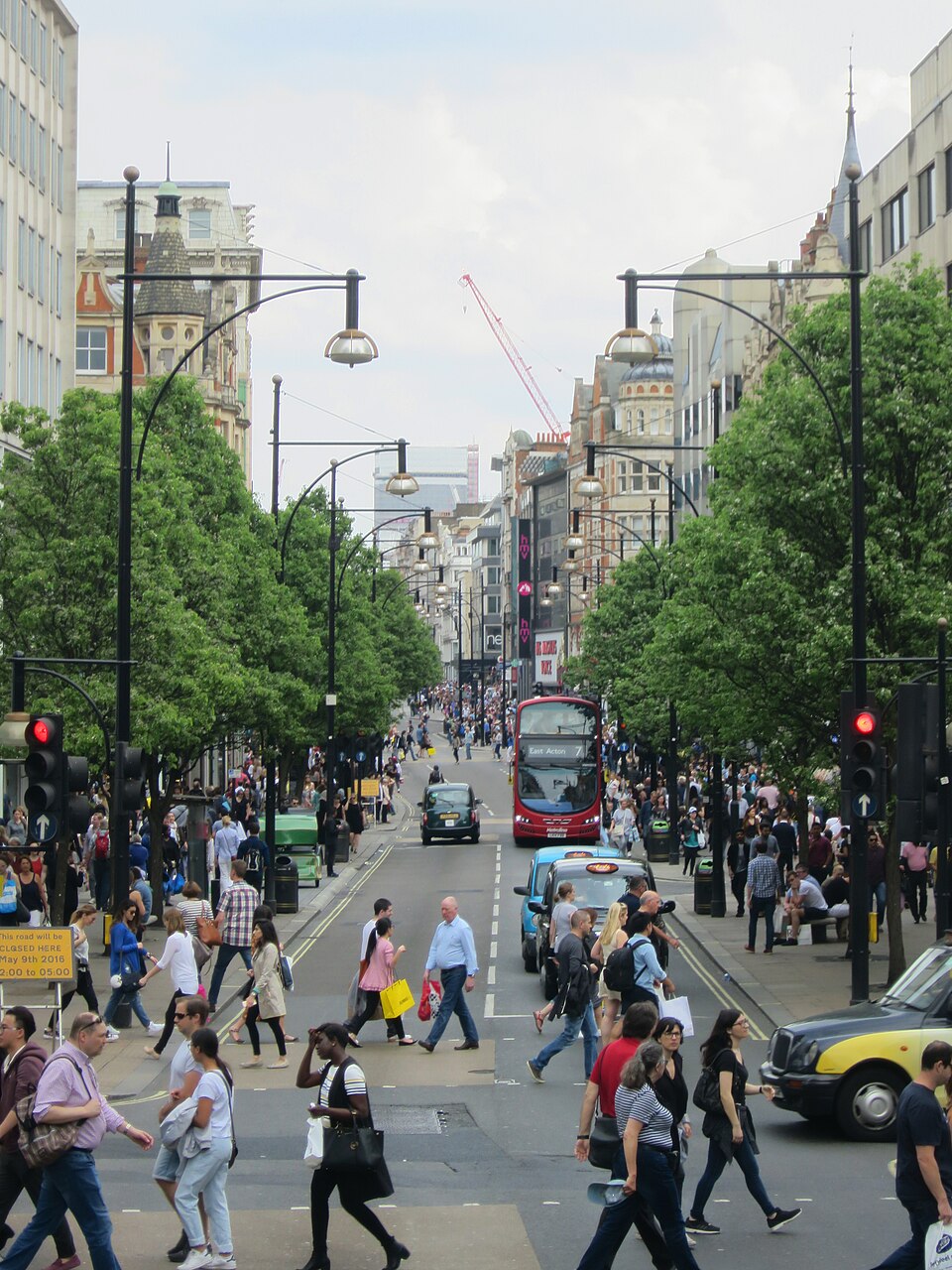
Oxford Street is one of Europe’s best-known shopping streets, lined with department stores and international brands.
Oxford Street follows the old Tyburn Road. It developed into a major shopping destination in the nineteenth century.

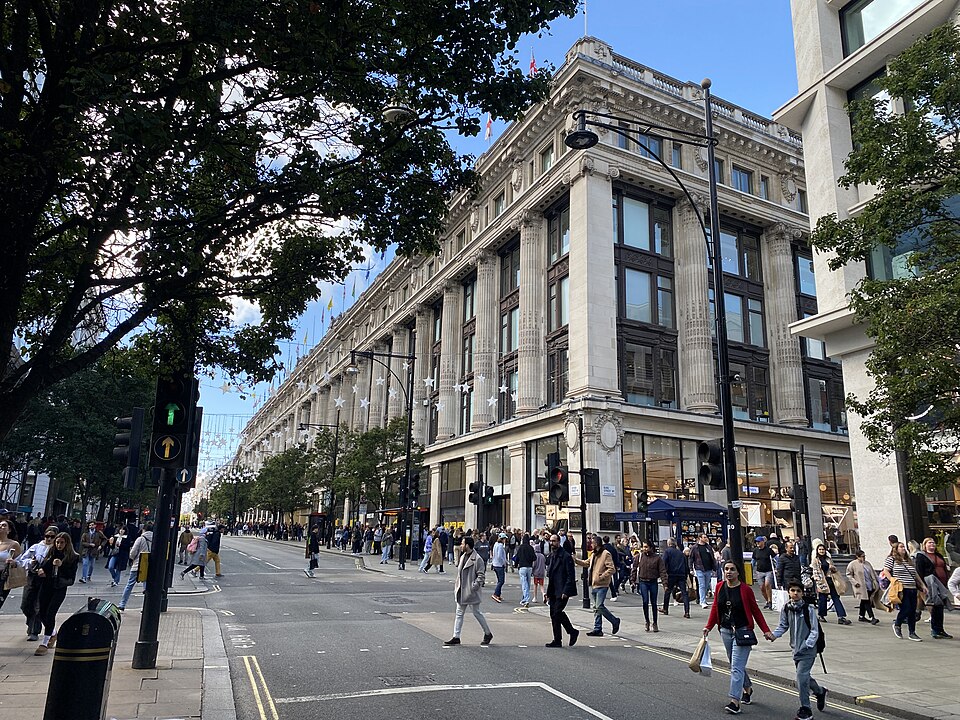
Selfridges opened in 1909 and transformed British department-store culture with theatrical window displays and modern retail ideas.
Harry Gordon Selfridge wanted shopping to be an experience. The store’s long classical façade is one of Oxford Street’s most recognisable buildings.

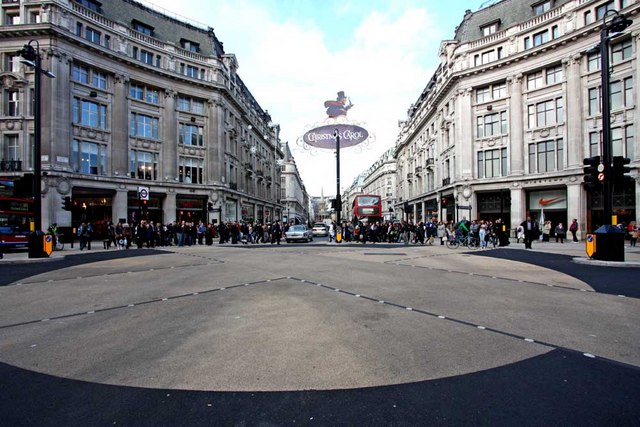
Oxford Circus is the junction of Oxford Street and Regent Street and one of London’s busiest pedestrian crossroads.
The junction formed part of John Nash’s early nineteenth-century street plan. Its diagonal pedestrian crossings were introduced in 2009.

Mayfair is one of London’s most elegant districts, known for luxury hotels, galleries, private clubs and designer shops.
Mayfair takes its name from a spring fair once held here. Development of the Grosvenor estate helped turn it into an aristocratic neighbourhood.

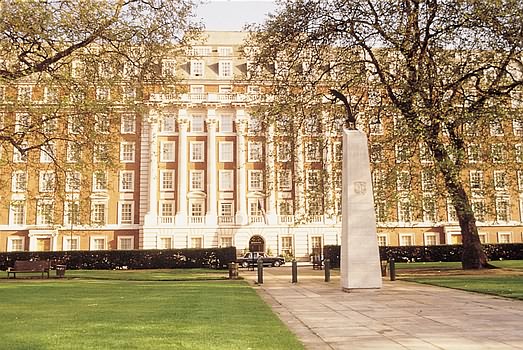
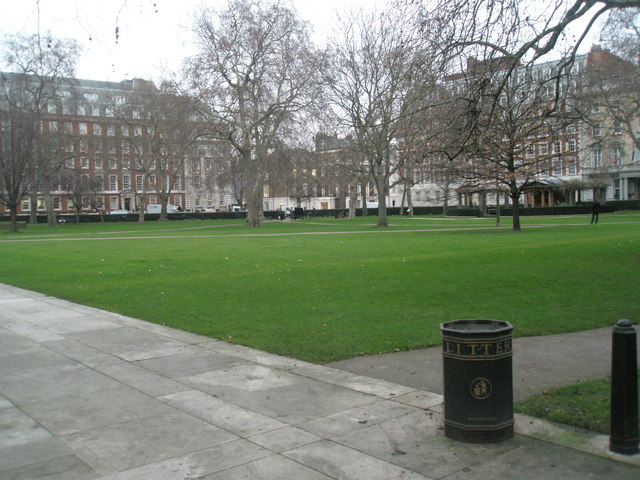
Grosvenor Square is Mayfair’s historic garden square and was long associated with American diplomacy in London.
The square developed from the 1720s at the heart of the Grosvenor estate. Its American connections are reflected in memorials to Roosevelt and Eisenhower.

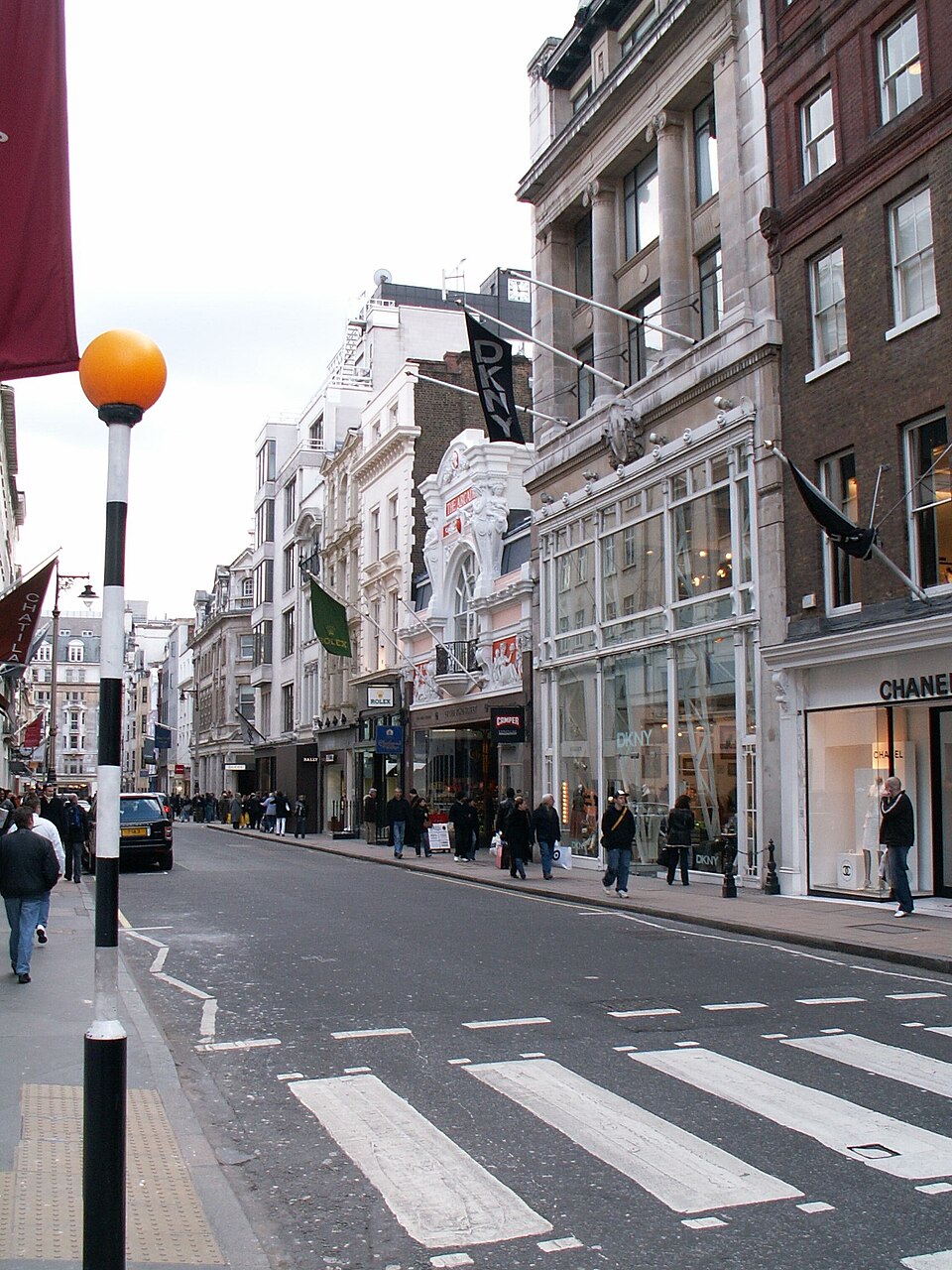
Bond Street is London’s premier luxury-shopping street, lined with jewellers, fashion houses and art dealers.
Bond Street is actually two streets: Old Bond Street and New Bond Street. Fashion and art dealing have shaped their identity since the eighteenth century.

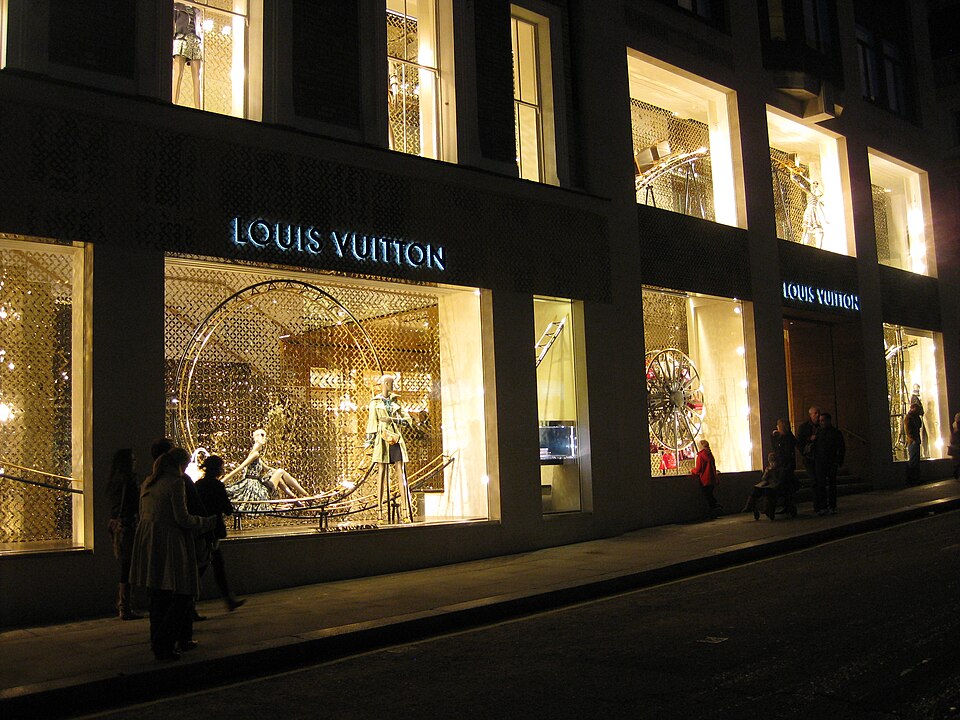
Louis Vuitton’s New Bond Street store is one of the French luxury house’s most striking London flagships.
The shop’s changing windows and temporary façade installations can become attractions in their own right. Neighbouring buildings house many fashion and jewellery brands.

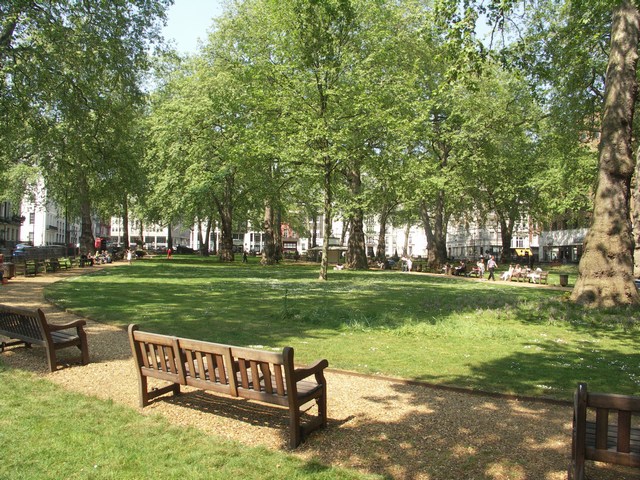
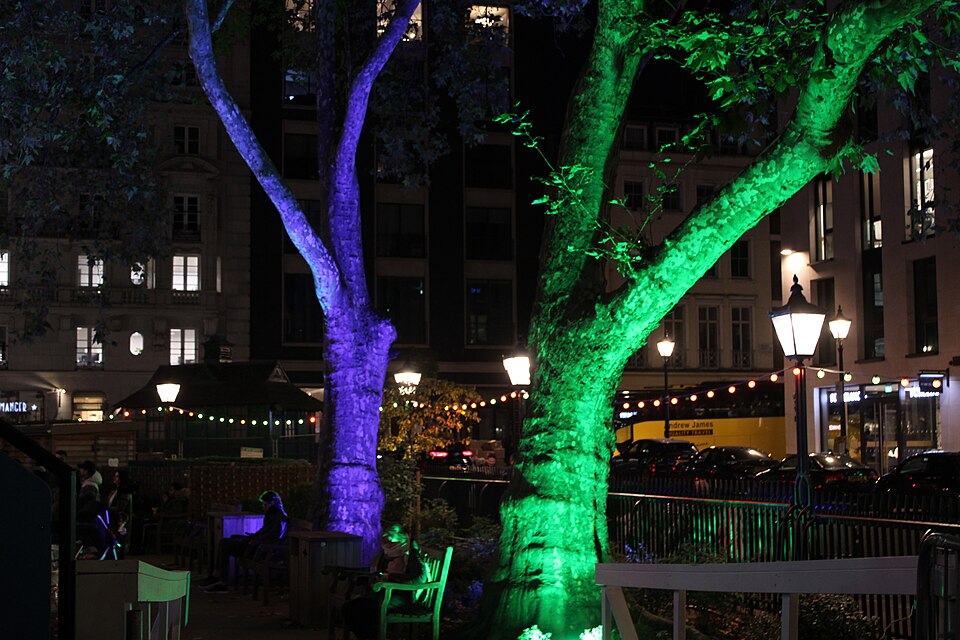
Berkeley Square is one of Mayfair’s oldest and grandest garden squares, shaded by enormous plane trees.
Aristocrats, politicians and writers have lived around this eighteenth-century square. A wartime song about a nightingale helped make its name famous.

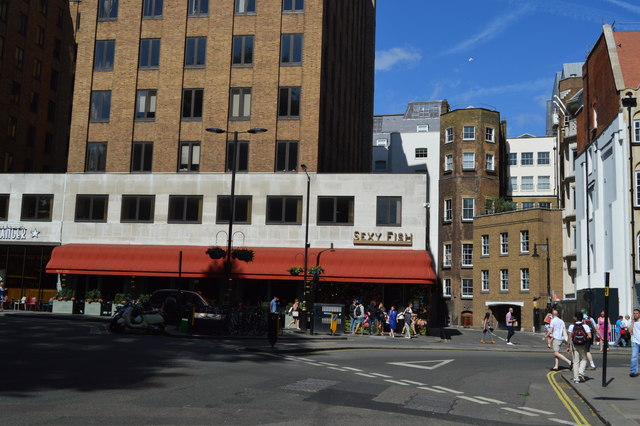
Sexy Fish is a flamboyantly designed Asian seafood restaurant beside Berkeley Square.
The restaurant combines art, sculpture and aquarium displays to create a theatrical interior. Its setting is Berkeley Square in Mayfair.

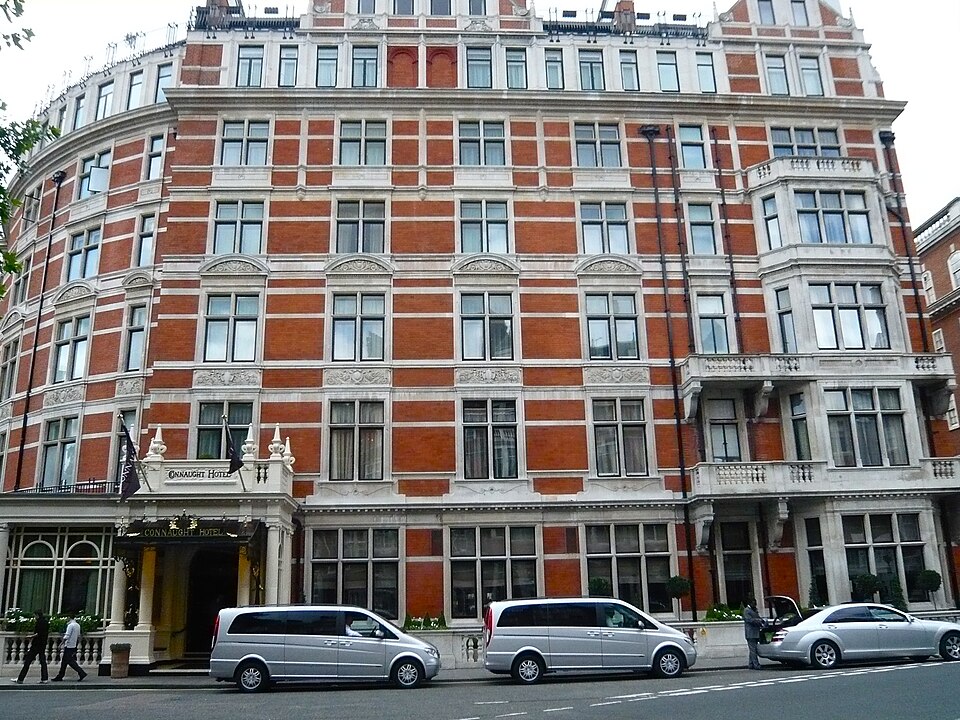
The Connaught is a classic five-star Mayfair hotel combining British tradition with contemporary art.
The hotel’s roots reach back to the early nineteenth century. A fountain by Tadao Ando stands outside on Carlos Place.

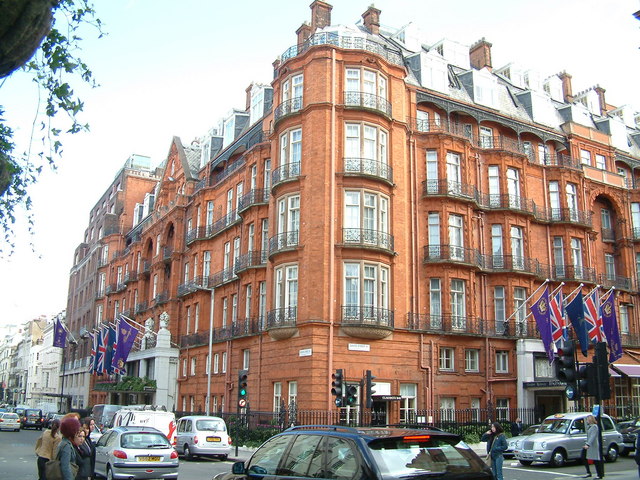
Claridge’s is one of London’s legendary luxury hotels, celebrated for Art Deco interiors and royal connections.
The hotel became a London favourite of European aristocrats in the nineteenth century. Its lobby and staircase are known for their Art Deco character.

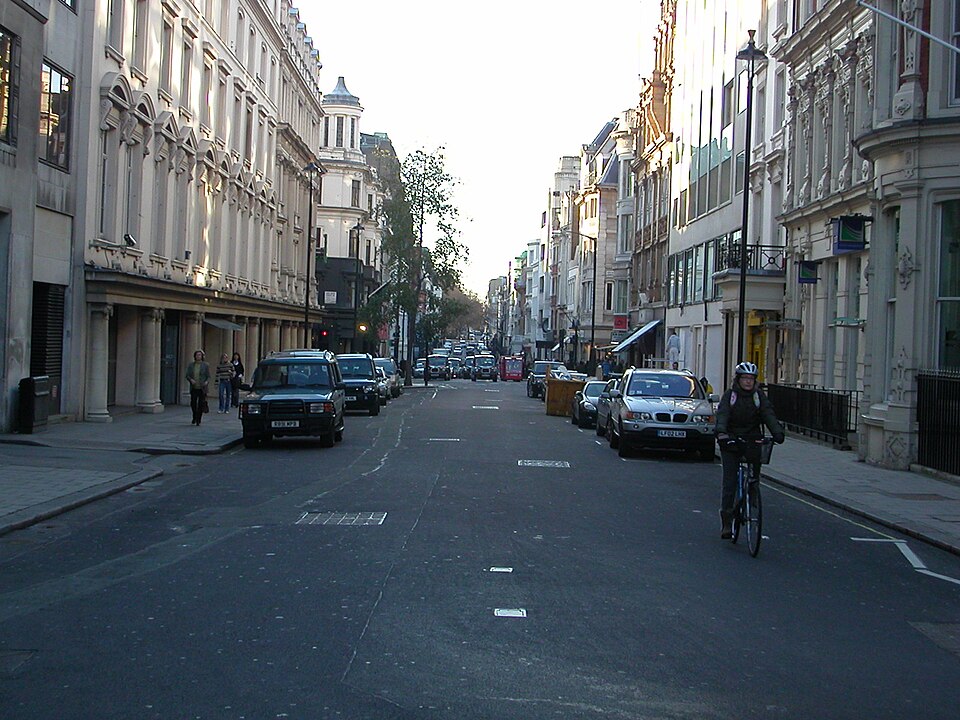
Brook Street is an elegant Mayfair street linking the former homes of Handel and Jimi Hendrix.
Handel lived on Brook Street for 36 years. More than two centuries later, Jimi Hendrix lived in the neighbouring building.

Hanover Square is an eighteenth-century Mayfair square surrounded by offices, shops and elegant buildings.
Laid out around 1717, the square was named for the Hanoverian royal dynasty. Nearby St George’s church has connections with Handel.

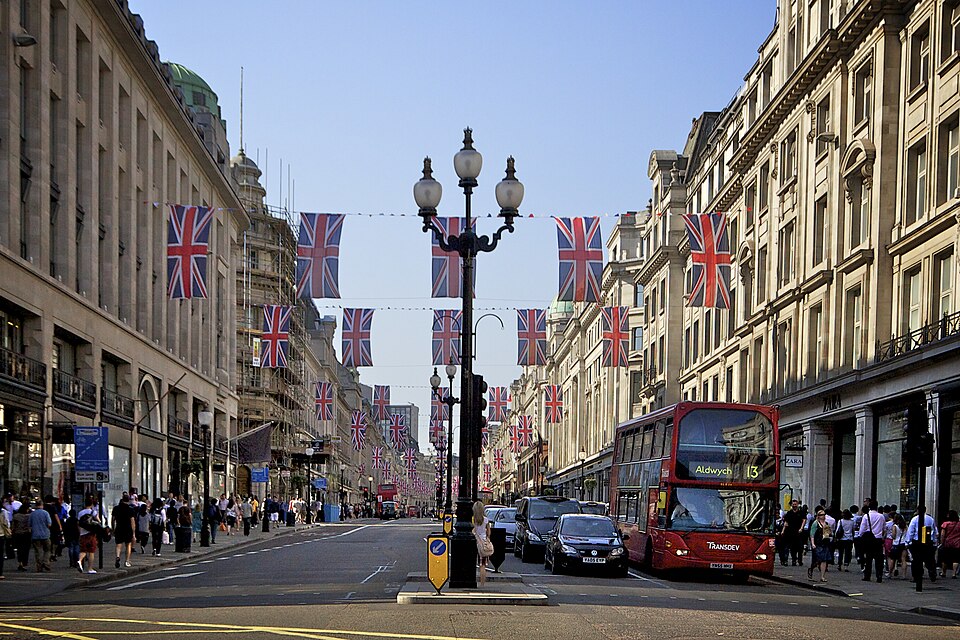
Regent Street is one of London’s grandest shopping avenues, known for sweeping architecture and flagship stores.
John Nash planned the street as a grand link towards Regent’s Park. Many of the stone façades seen today date from an early twentieth-century rebuilding.

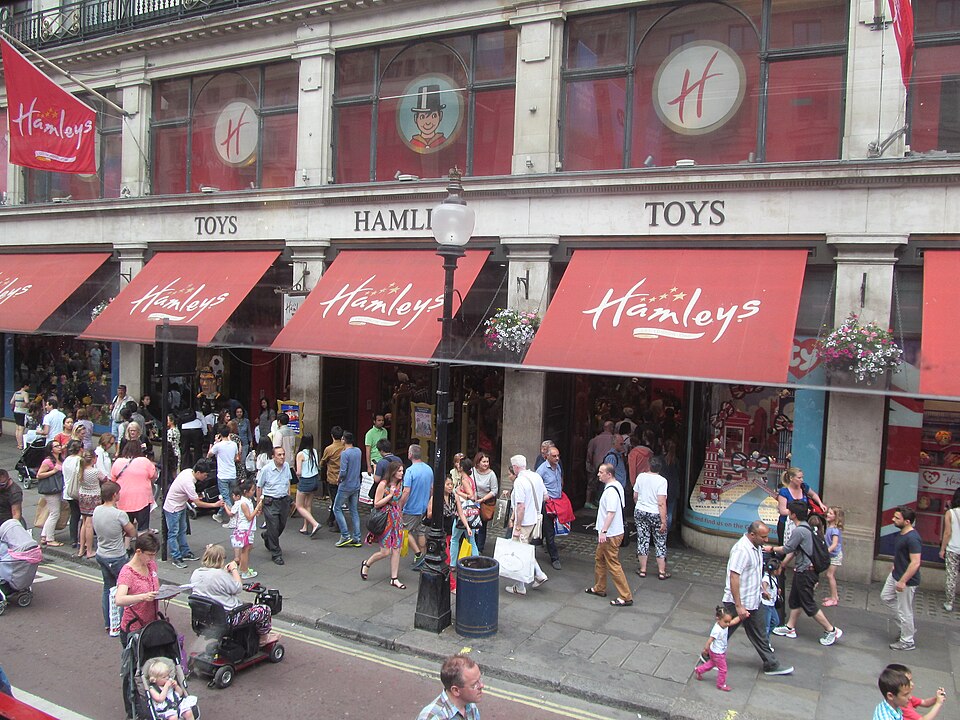
Hamleys is a toy shop with more than 260 years of history and seven floors of demonstrations on Regent Street.
William Hamley opened his first shop in 1760. Toy demonstrations and colourful displays helped turn the Regent Street store into a family attraction.

Kingly Street is a lively pedestrian lane in the Carnaby quarter, packed with restaurants and bars.
This narrow street sits just behind Regent Street. Nearby Kingly Court brings restaurants together around a three-level courtyard.

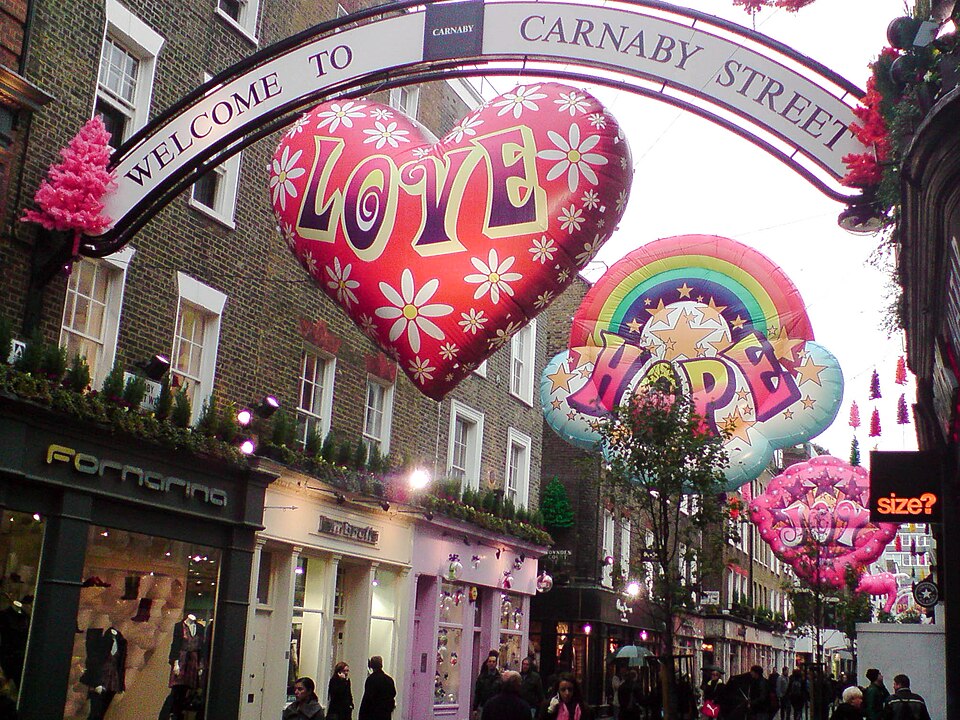
Carnaby Street became an icon of 1960s Swinging London fashion and youth culture.
Carnaby Street became an international centre of mod fashion in the 1960s. Designers and independent boutiques helped give the street its distinctive reputation.

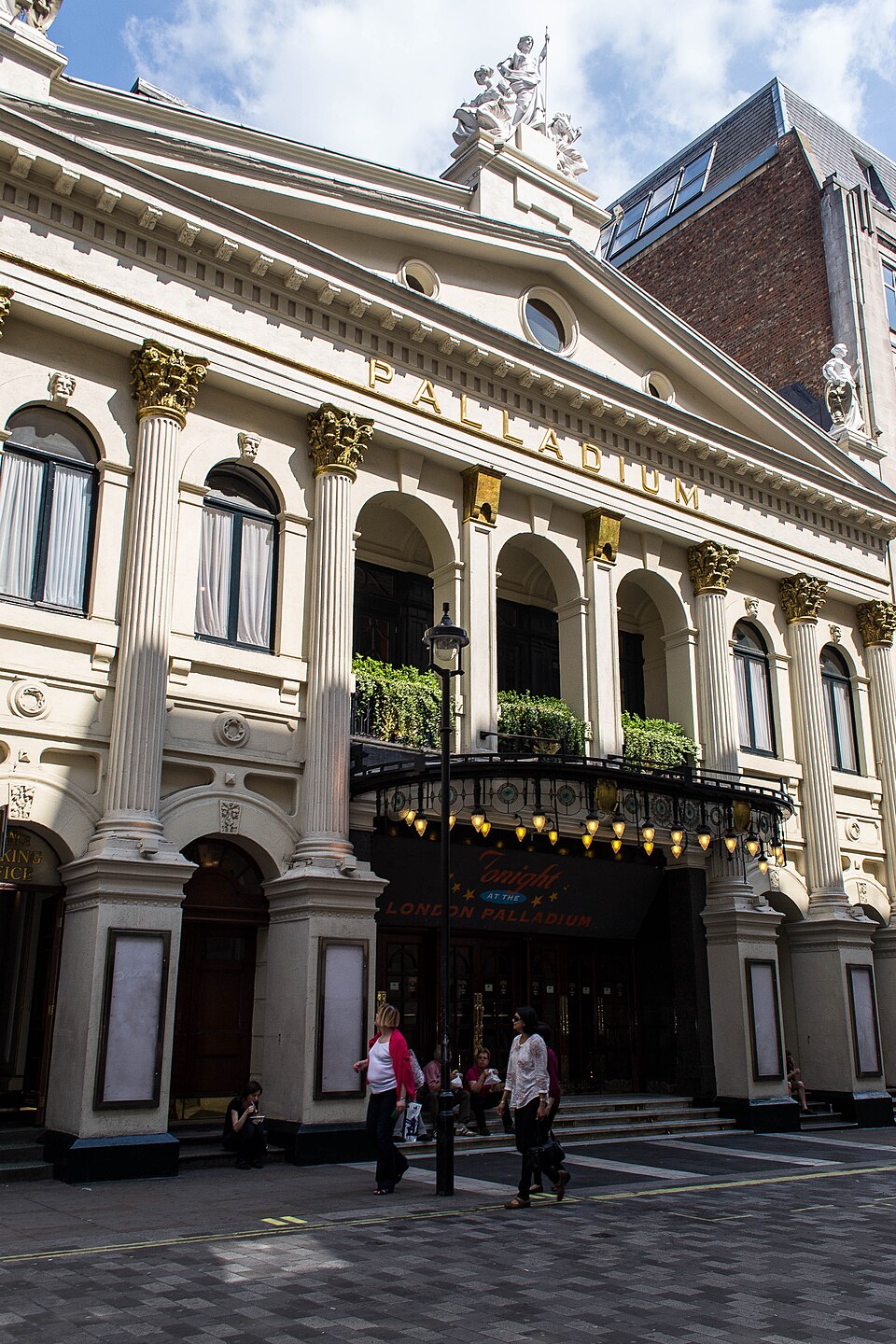
The London Palladium is one of the West End’s most famous variety and musical theatres.
Opened in 1910, the Palladium became closely associated with variety entertainment and television. Its history also includes concerts, musicals and pantomimes.

Ham Yard Hotel is a modern luxury hotel built around a hidden courtyard with colourful contemporary British interiors.
The hotel opened in 2014 on a redeveloped Soho site. Its design includes a courtyard, cinema and its own bowling alley.

Soho is London’s diverse entertainment quarter, mixing theatres, music clubs, restaurants and nightlife.
Soho became home to immigrant communities, craftspeople and artists after its seventeenth-century development. Jazz, film and nightlife later shaped its identity.

Old Compton Street is Soho’s rainbow-lined main street and a centre of London’s LGBTQ+ nightlife.
Independent businesses and successive immigrant communities helped shape this street. The Admiral Duncan pub is part of Soho’s modern social history.

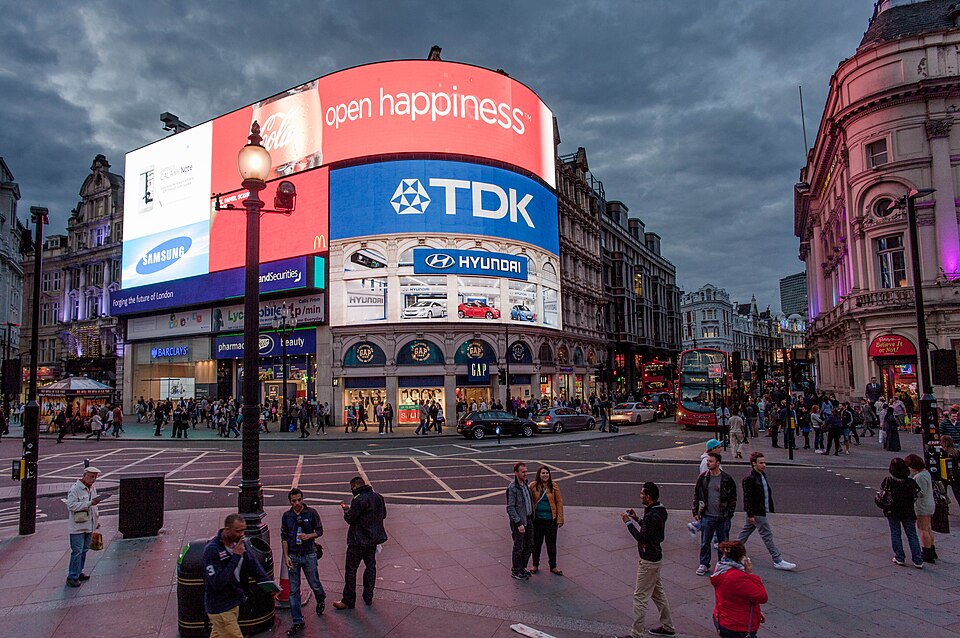
Piccadilly Circus, with its illuminated signs and Anteros statue, is one of the West End’s most famous meeting places.
The junction was created in 1819 during the building of Regent Street. The winged figure commonly called Eros is actually Anteros.

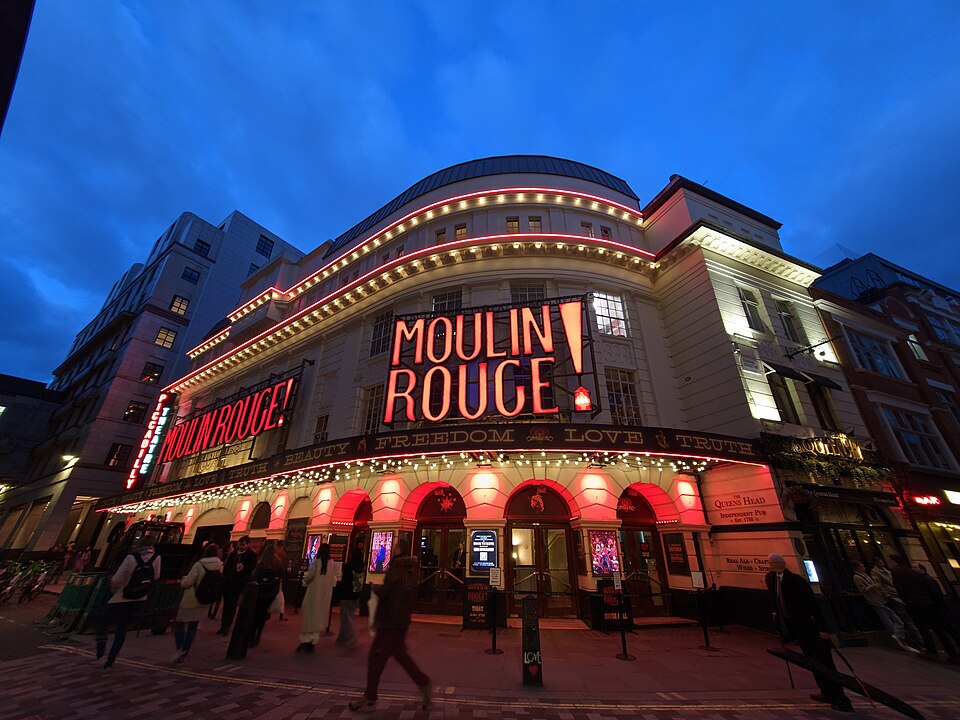
The Piccadilly Theatre’s façade brings the red-windmill world of Moulin Rouge to the heart of the West End.
The theatre opened in 1928 and also hosted film screenings. Moulin Rouge! The Musical arrived here in 2021.

Cambridge Circus is the meeting point of Shaftesbury Avenue and Charing Cross Road, between Soho and Covent Garden.
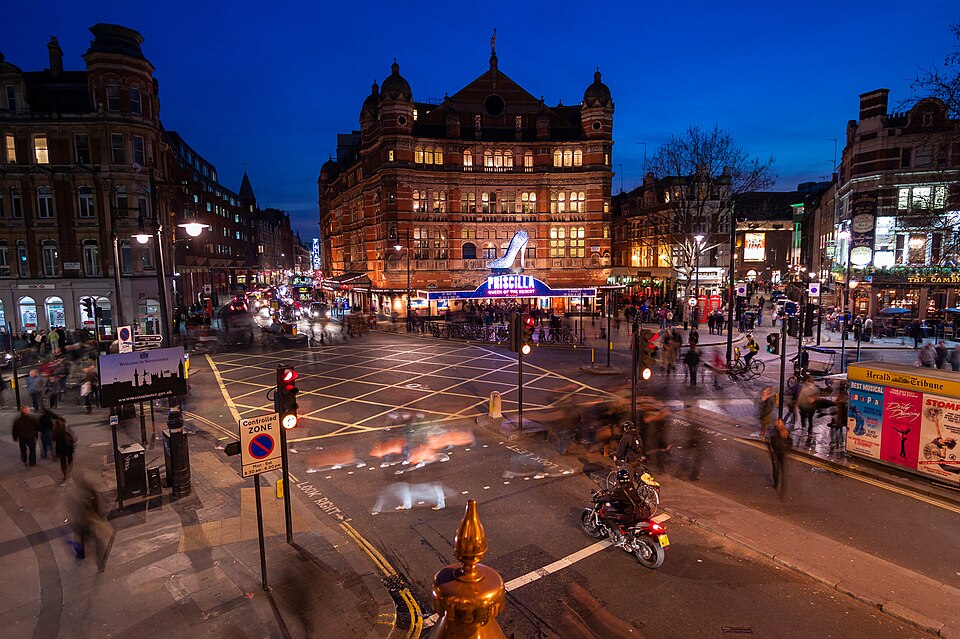
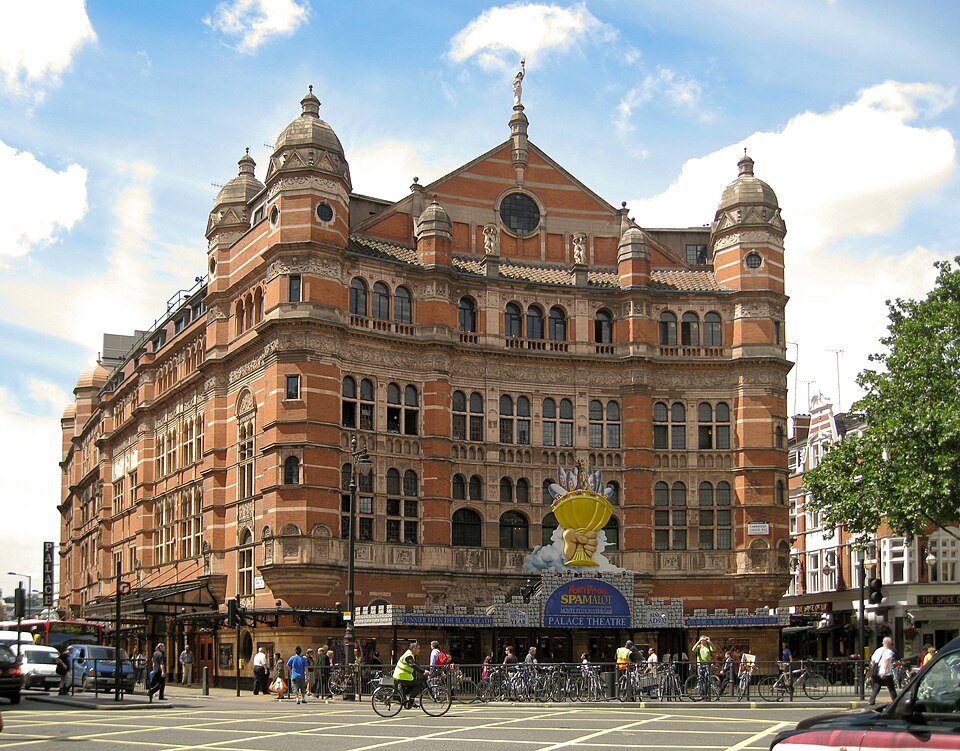
The red-brick Palace Theatre gives this busy junction a distinctive focal point. The surrounding streets connect several parts of the theatre district.

The red-brick Palace Theatre is the London home of Harry Potter and the Cursed Child.
The building opened in 1891 as the Royal English Opera House. Harry Potter’s stage story arrived here in 2016.

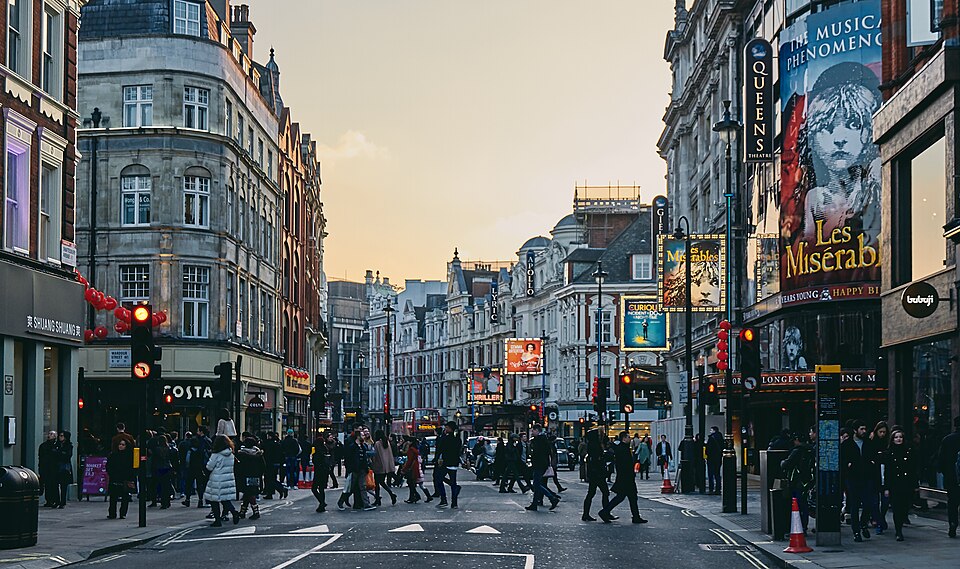
Shaftesbury Avenue is one of the West End’s principal theatre streets, running between Soho and Covent Garden.
The avenue was cut through an older street network in the late nineteenth century. Its theatres and proximity to Chinatown give it a lively West End character.

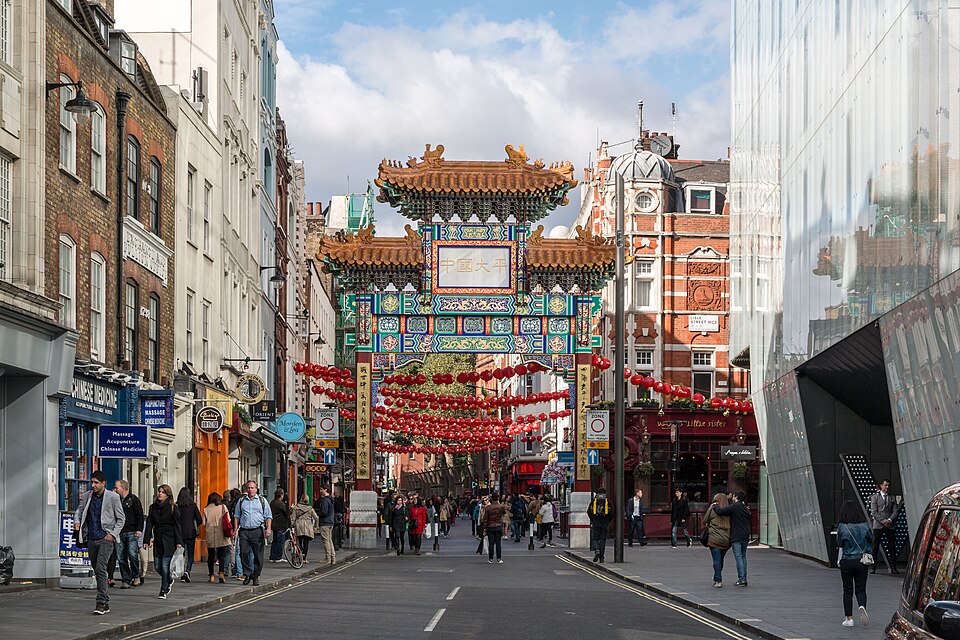
London’s Chinatown is known for red gates, lanterns and a dense collection of East Asian restaurants.
The Gerrard Street neighbourhood developed mainly from the 1950s, as part of London’s Chinese community moved west from Limehouse.

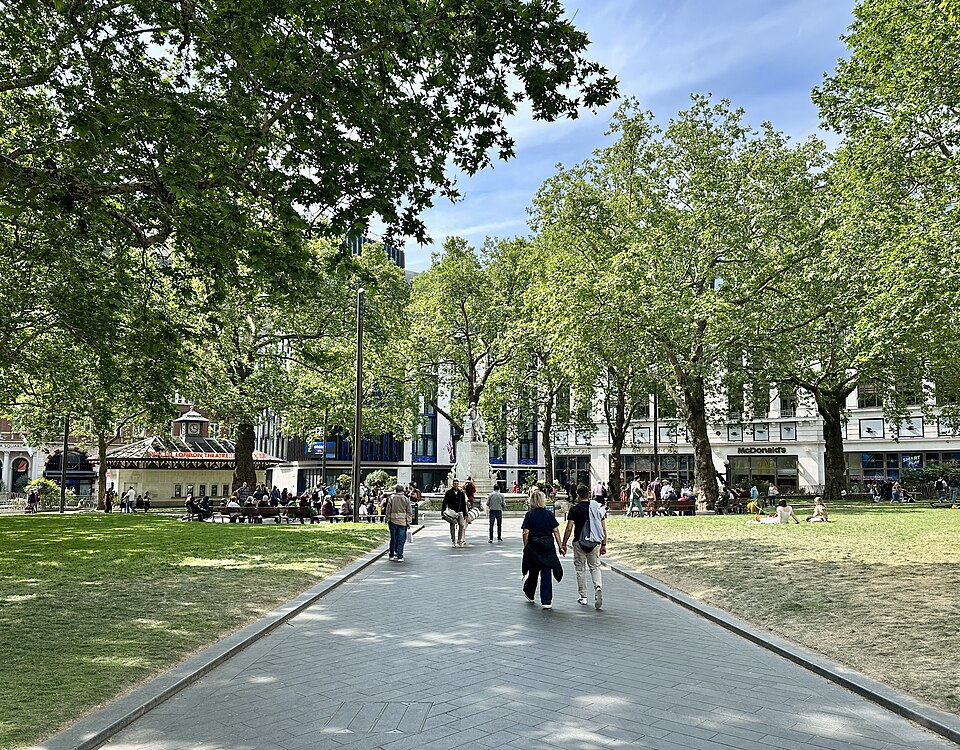
Leicester Square is the heart of London’s cinema district and the setting for major film premieres.
The square began taking shape in the seventeenth century. Its garden includes a Shakespeare memorial alongside figures from the world of film.

Covent Garden is a theatre, shopping and dining district that once housed London’s principal fruit and vegetable market.
The name recalls a convent garden belonging to Westminster Abbey. Inigo Jones’s seventeenth-century piazza helped shape the district around it.

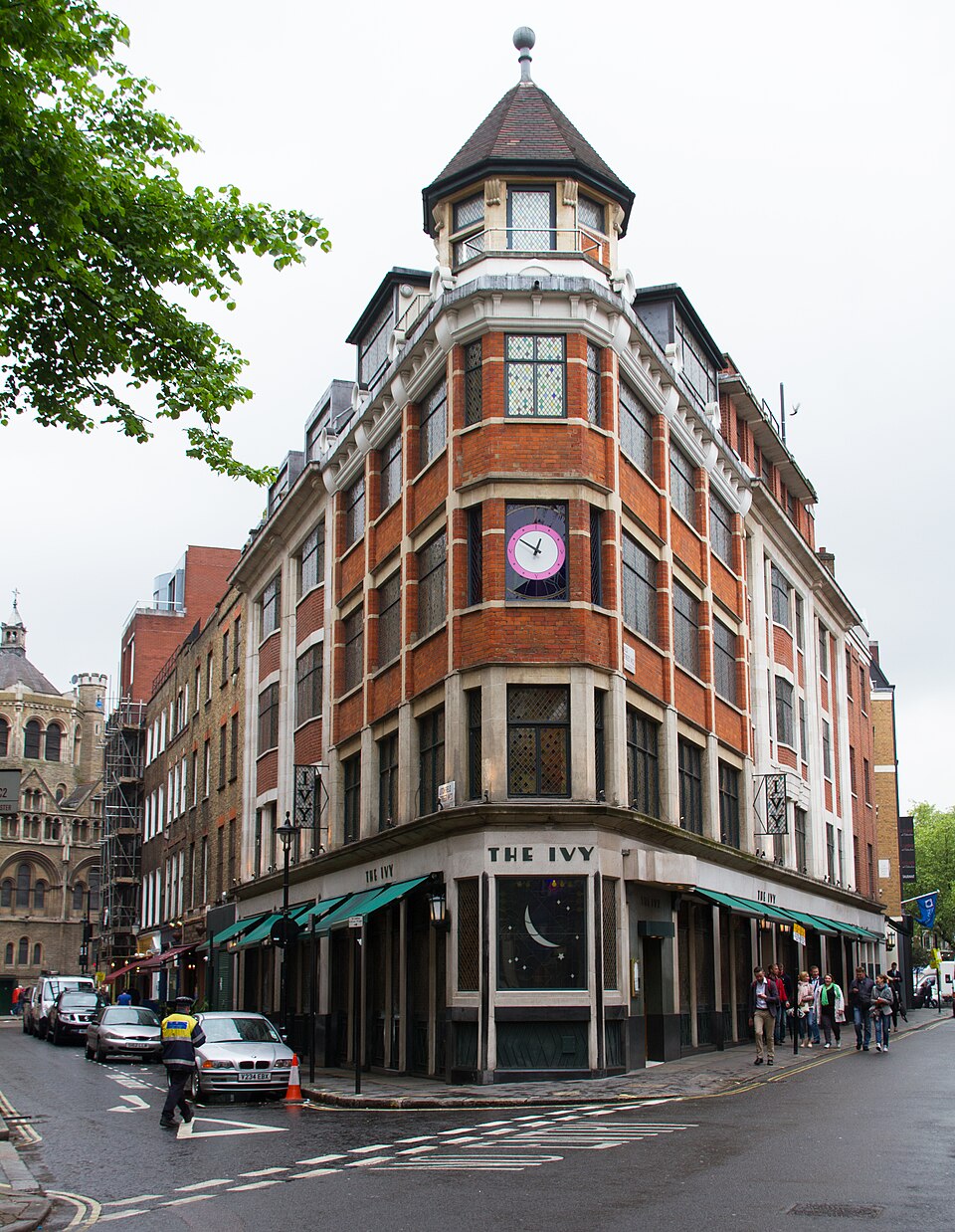
The Ivy has been a legendary restaurant for London’s theatre world and celebrities since 1917.
The original West Street restaurant became associated with dinners before and after theatre performances. Its diamond-patterned stained glass is a distinctive feature.

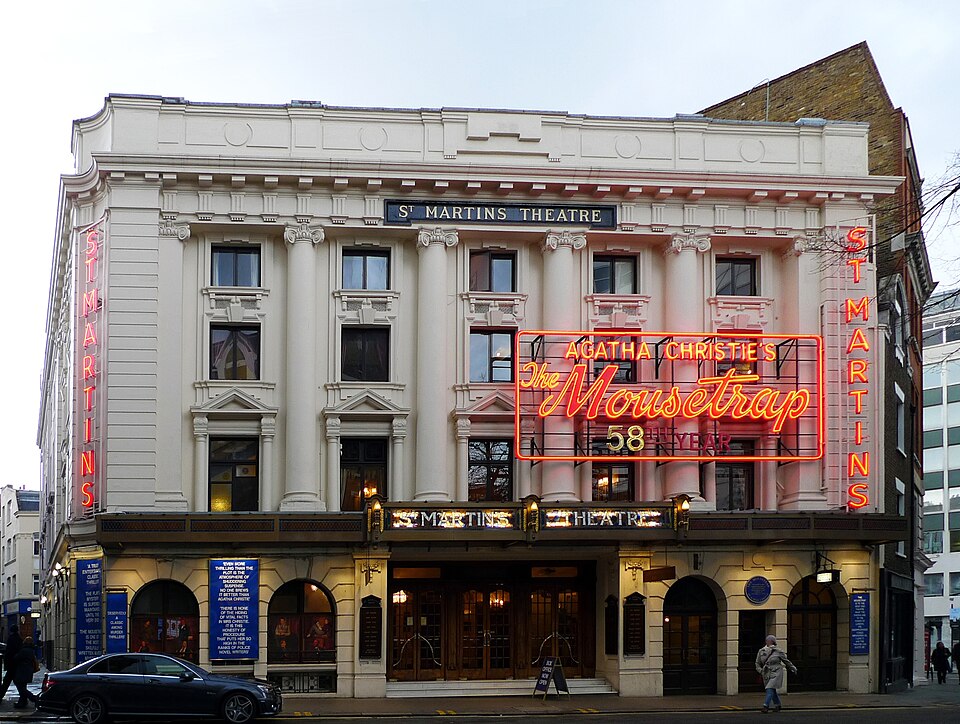
St Martin’s Theatre has hosted Agatha Christie’s The Mousetrap since 1974, the world’s longest-running stage production.
The theatre opened in 1916. At the end of The Mousetrap, audiences are traditionally asked to keep the identity of the murderer secret.

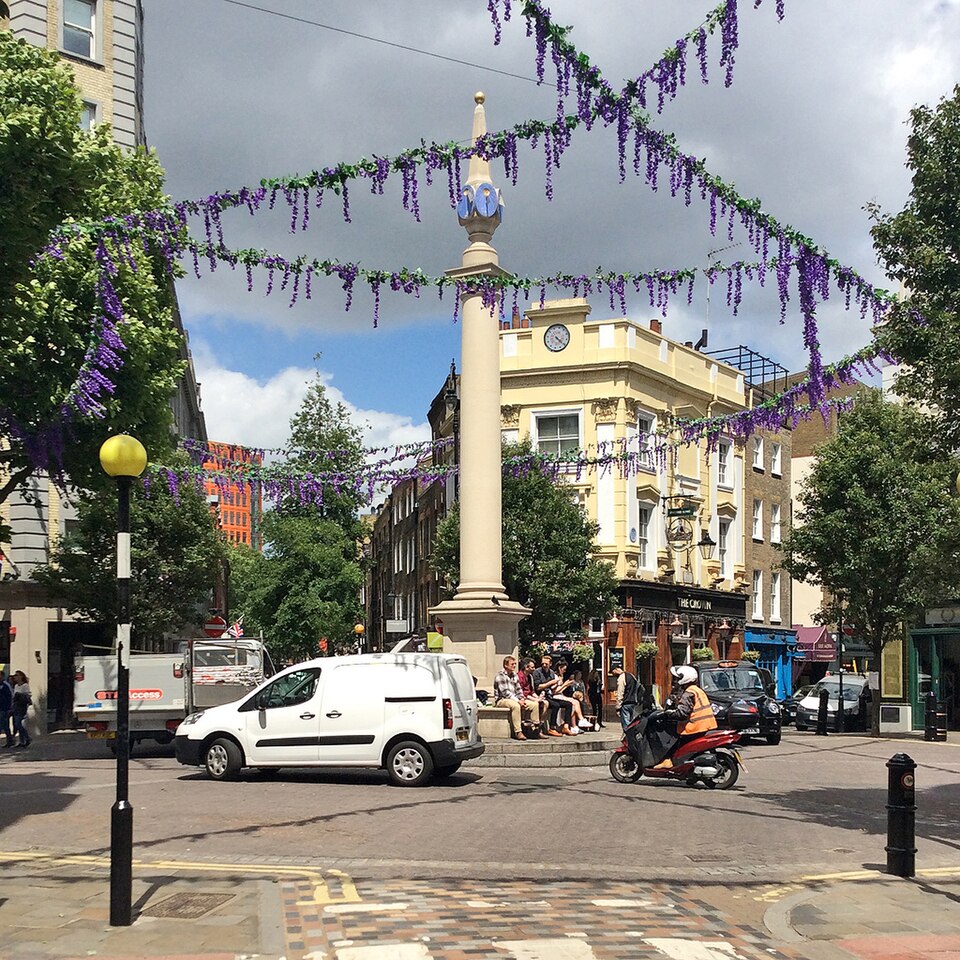
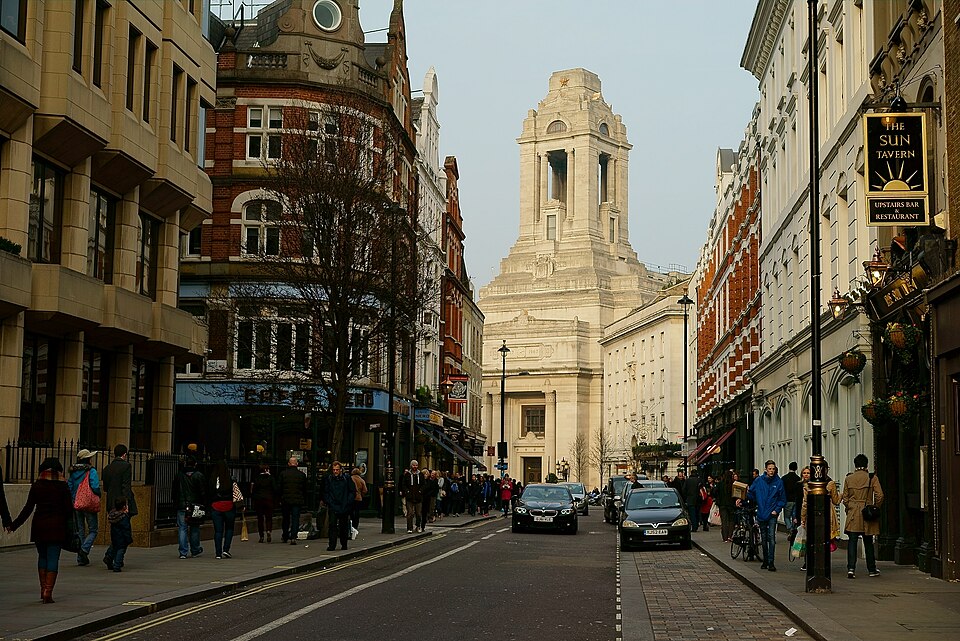
Seven Dials is a star-shaped junction of seven streets centred on a sundial column.
Thomas Neale planned this district in the 1690s. The sundial column seen today is a reconstruction erected in 1989.
John Sutton

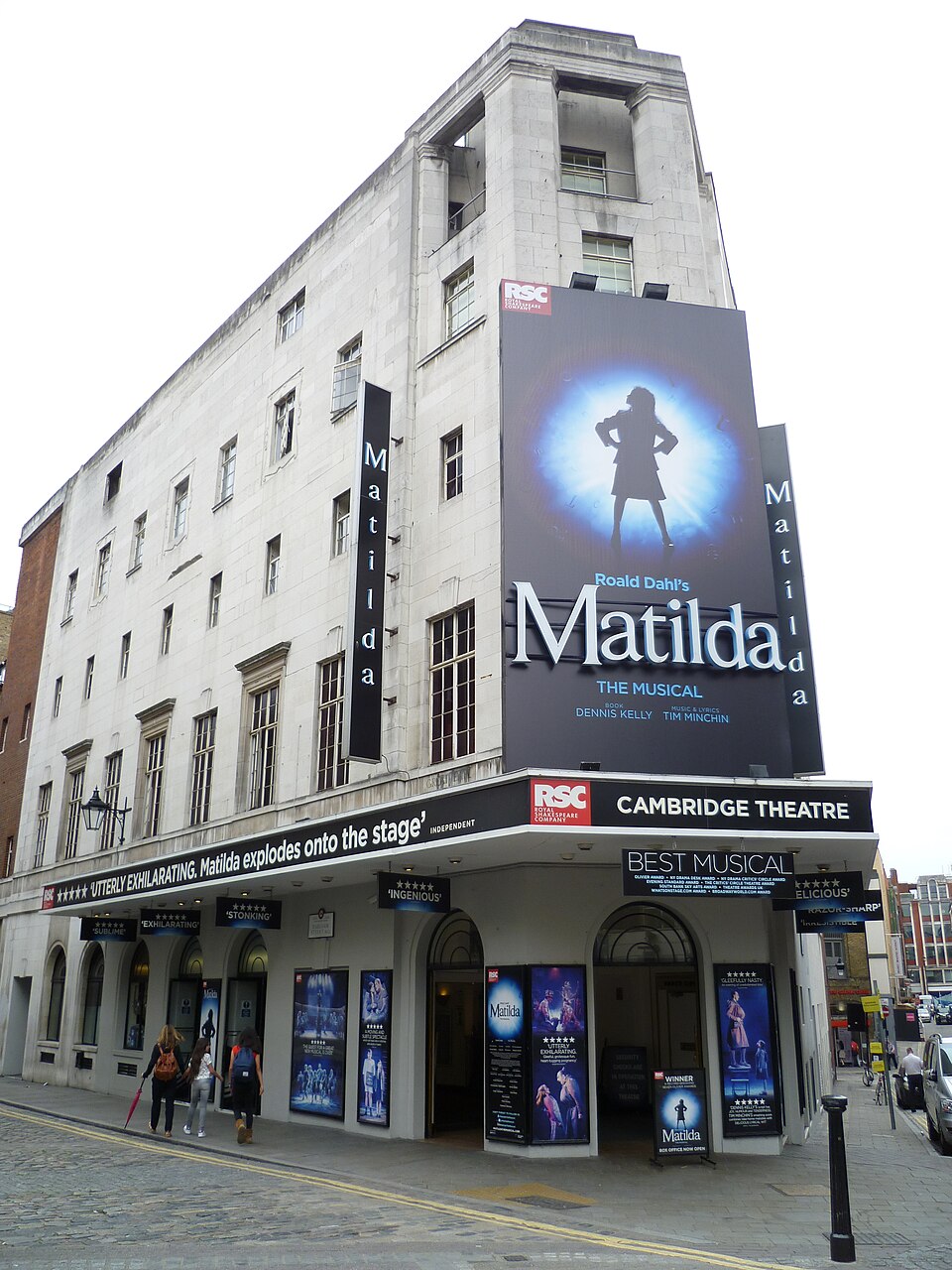
The Art Deco Cambridge Theatre is the West End home of the musical Matilda, based on Roald Dahl’s novel.
The theatre opened in 1930 with a distinctive curved entrance and modernist interior. The Royal Shakespeare Company’s Matilda arrived here in 2011.

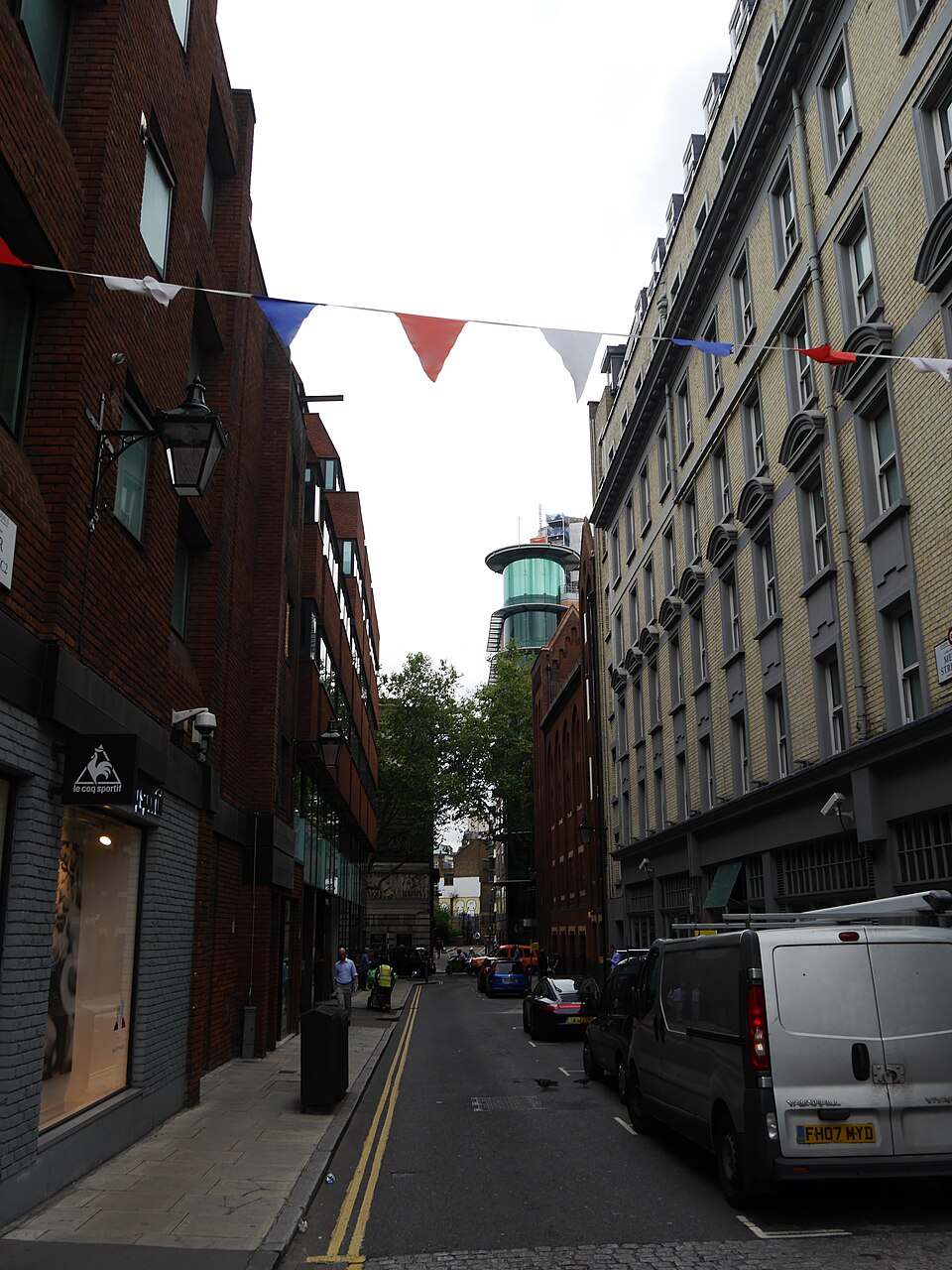
Mercer Street links Seven Dials with Long Acre through courtyards, shops and hidden passages of the theatre district.
Mercer Street takes its name from the Mercers’ Company. Nearby lanes and courtyards create a network of small walking routes around Long Acre.

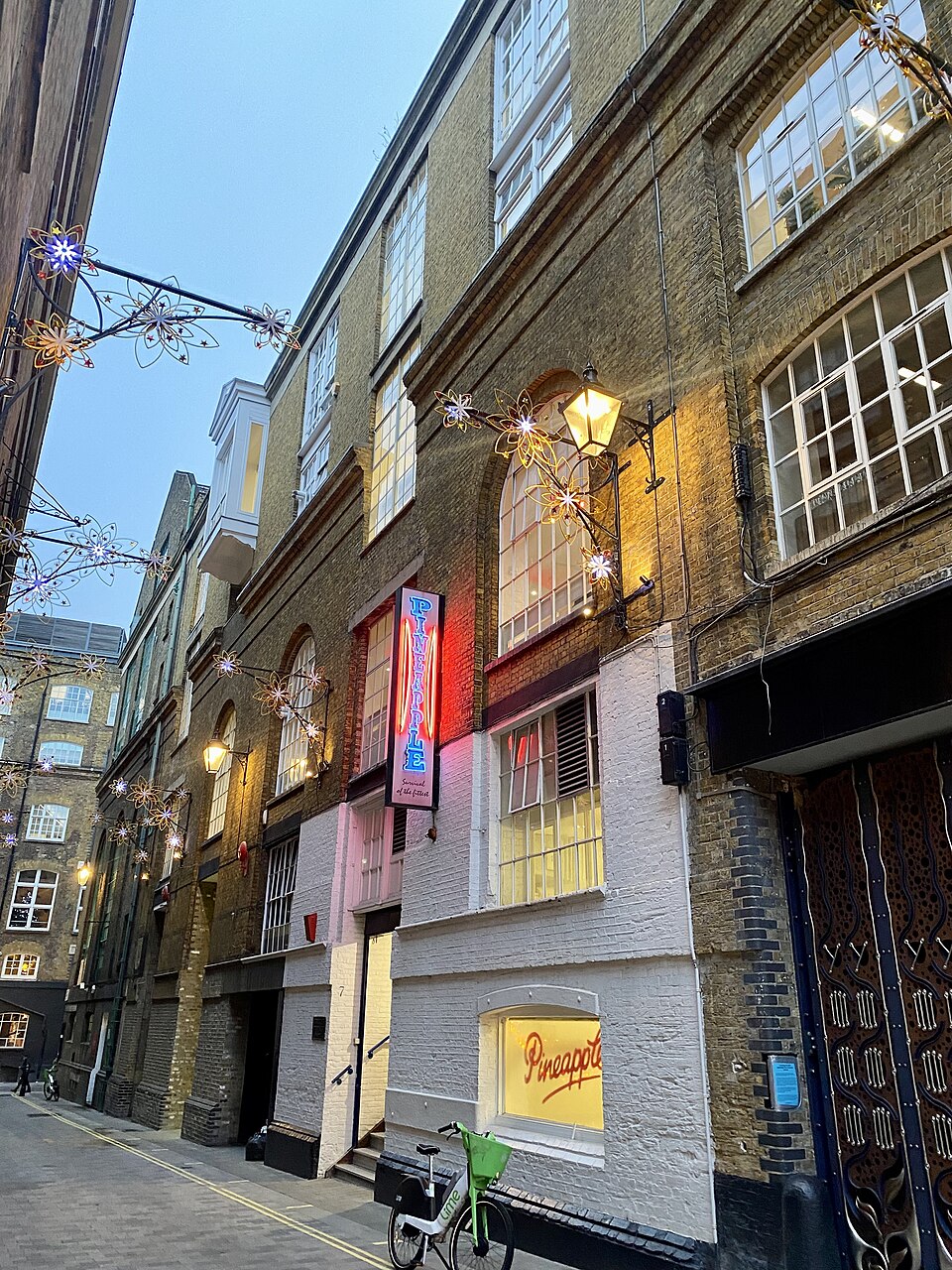
Pineapple Dance Studios is a famous London dance centre used by everyone from beginners to West End performers.
Debbie Moore founded Pineapple in 1979. The dance studios also gave rise to the Pineapple dancewear brand.

Long Acre is Covent Garden’s main east–west street, lined with shops, theatre businesses and traces of old industry.
Coachbuilders and vehicle workshops once defined Long Acre. It links the Seven Dials area with the streets around Covent Garden’s piazza.

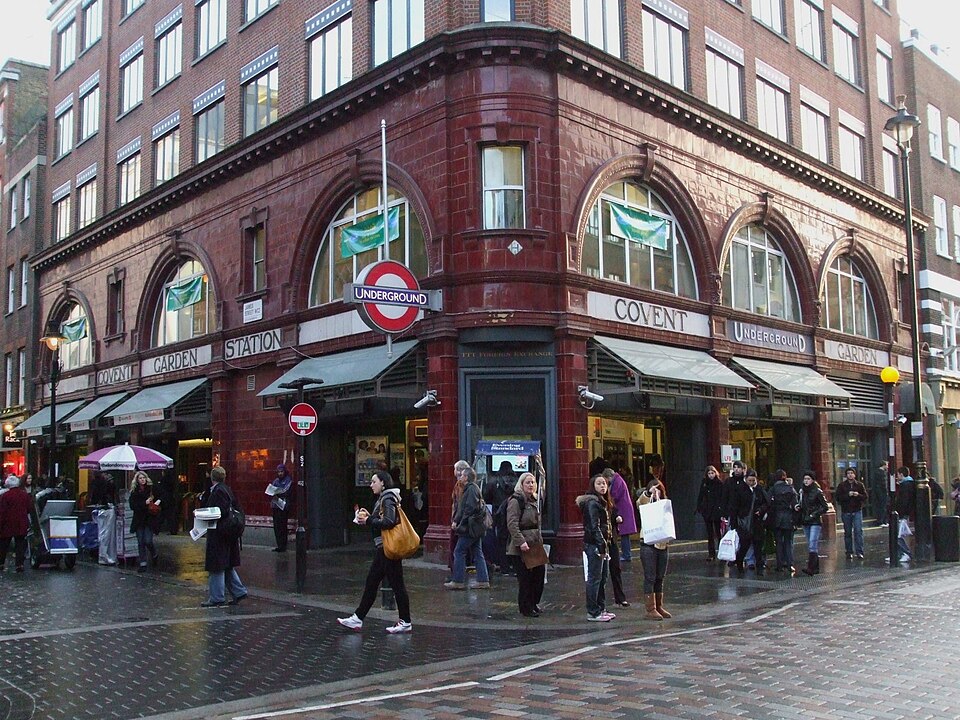
Covent Garden is a deep-level Underground station served by lifts, with almost two hundred stairs to the surface.
The station opened in 1907 with Leslie Green’s characteristic red-tiled façade. Leicester Square is only a very short distance away.

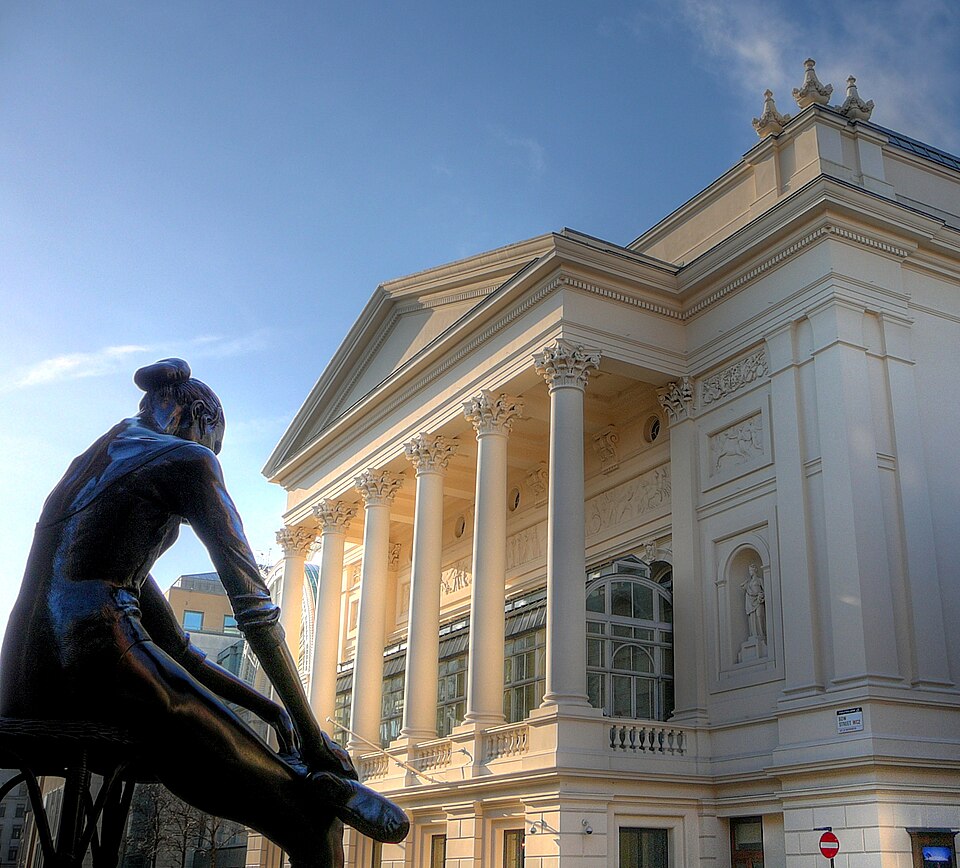
The Royal Opera House is home to the Royal Ballet and Royal Opera in the heart of Covent Garden.
The first theatre on this site opened in 1732; the main building dates from 1858. A later redevelopment incorporated the glass-and-iron Floral Hall.

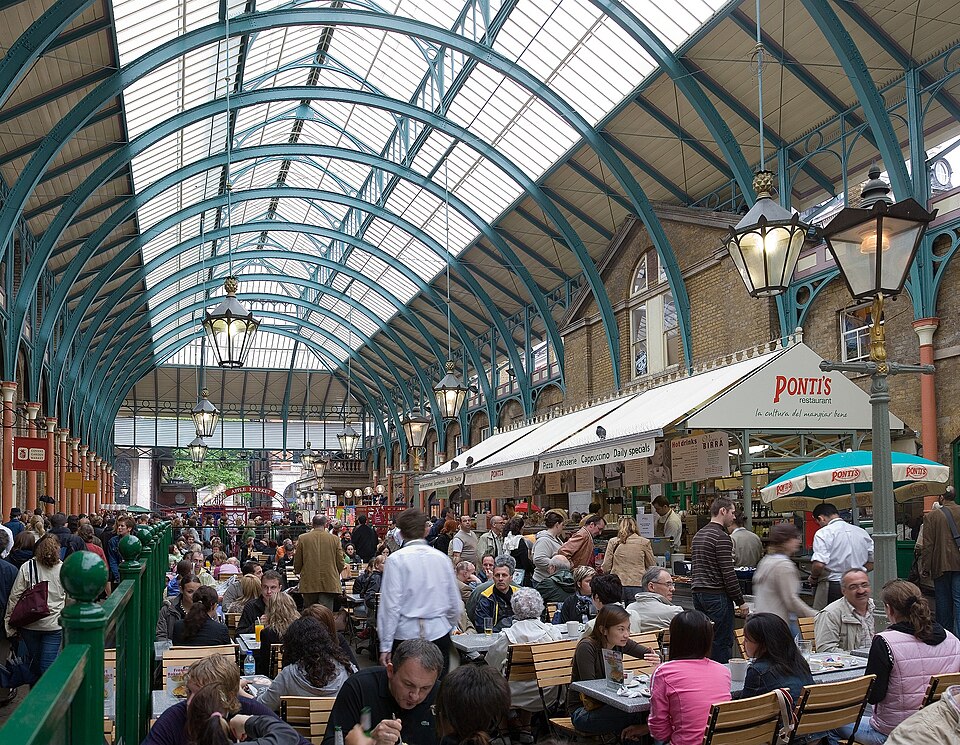
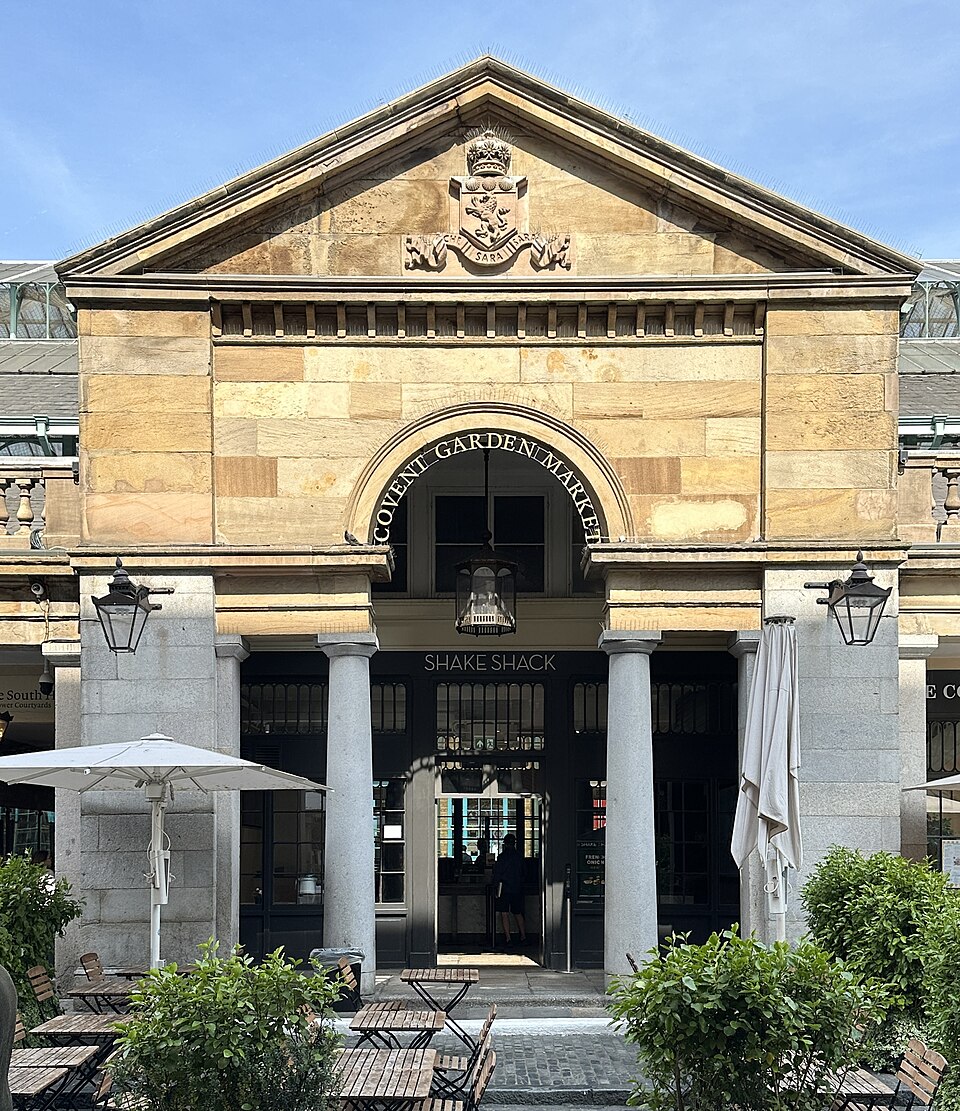
Covent Garden Market’s nineteenth-century halls now contain shops, restaurants and street performers.
Charles Fowler’s neoclassical market building was completed in 1830. The wholesale market moved to Nine Elms in 1974.

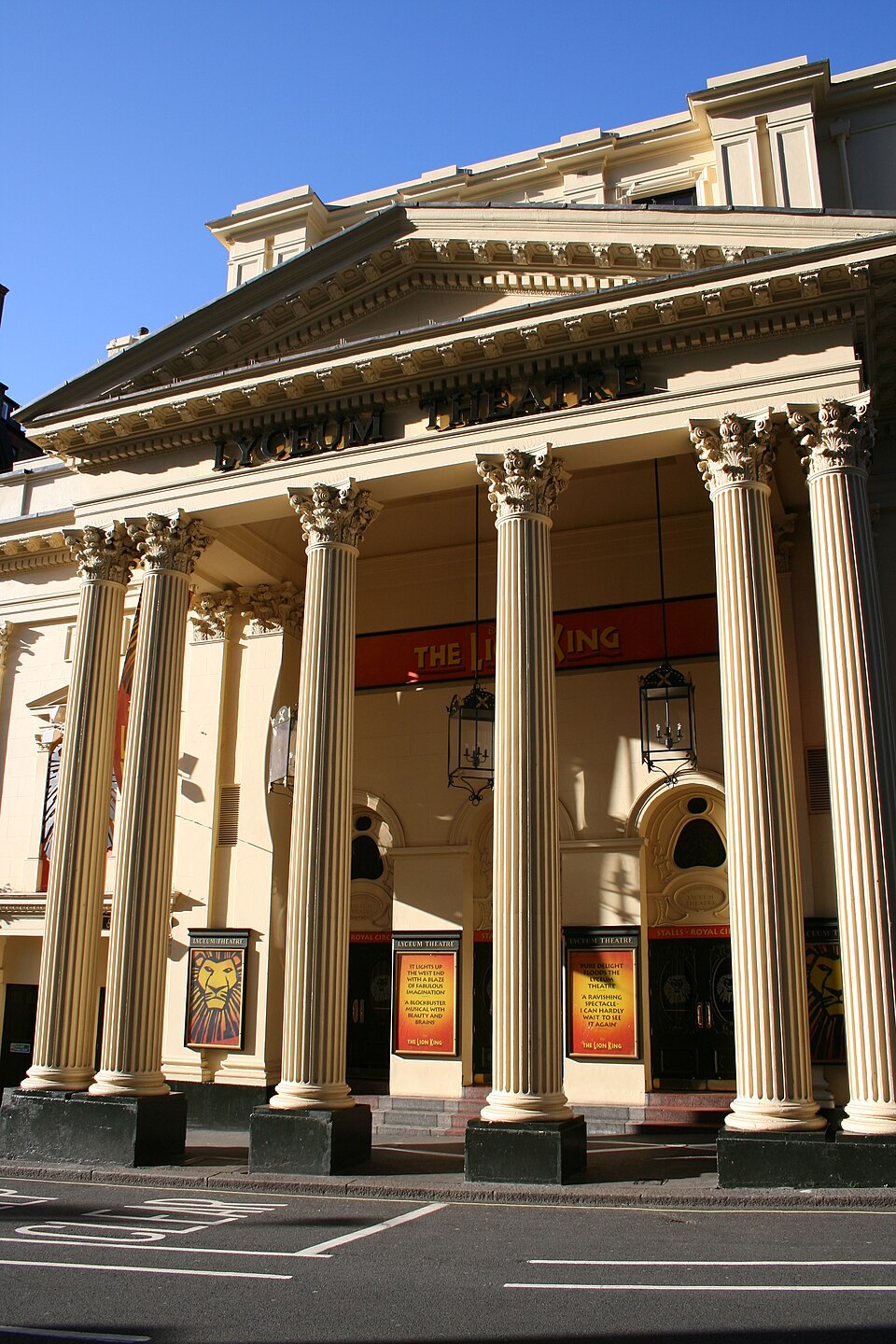
Behind the Lyceum Theatre’s grand columned façade is the London production of The Lion King.
Bram Stoker worked here as manager for the actor Henry Irving. The Lion King opened at the Lyceum in 1999.

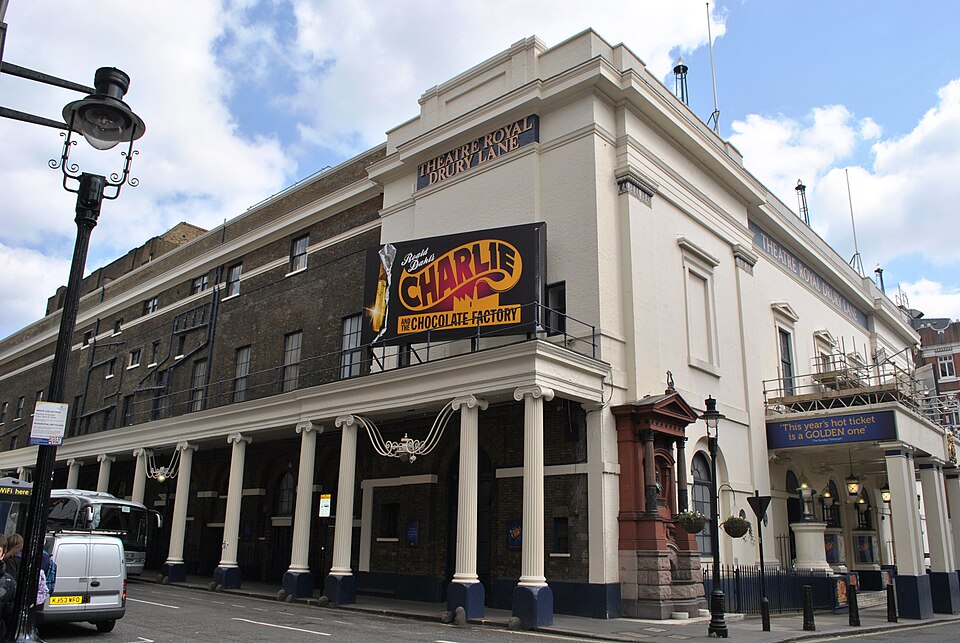
Theatre Royal Drury Lane is one of London’s oldest theatrical sites, with a theatre here since 1663.
The present theatre is the fourth building on this site and opened in 1812. Grand staircases, royal connections and ghost stories are part of its history.

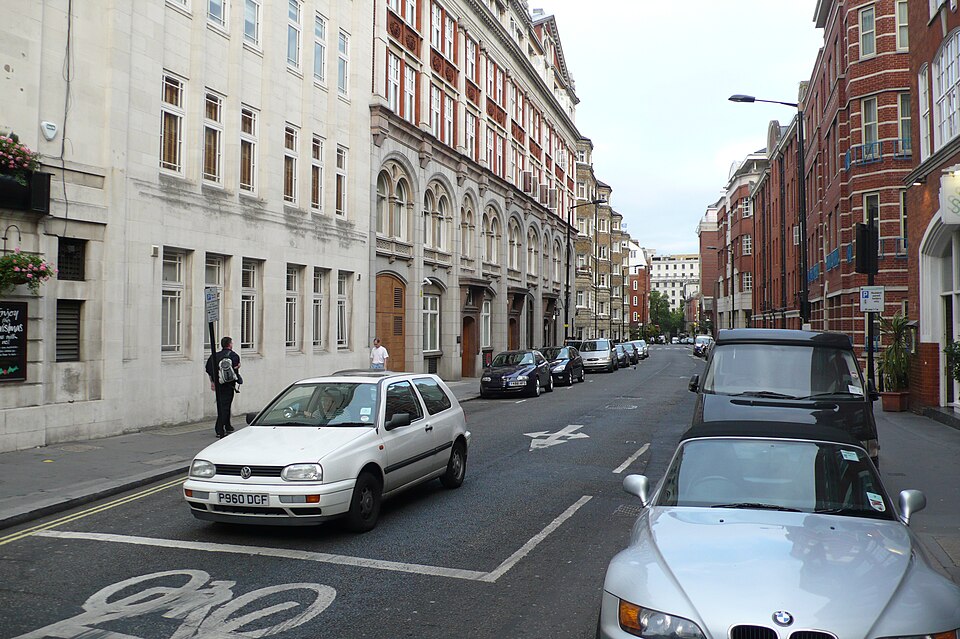
Drury Lane has been associated with London theatre and backstage West End life for centuries.
Running between High Holborn and Aldwych, Drury Lane once mixed markets, taverns and tightly packed housing with its theatrical life.

The crescent-shaped Aldwych curves away from the Strand, linking theatres, hotels and university buildings.
The curved street was created during a major redevelopment in the early twentieth century. Its name recalls an older settlement west of the City.

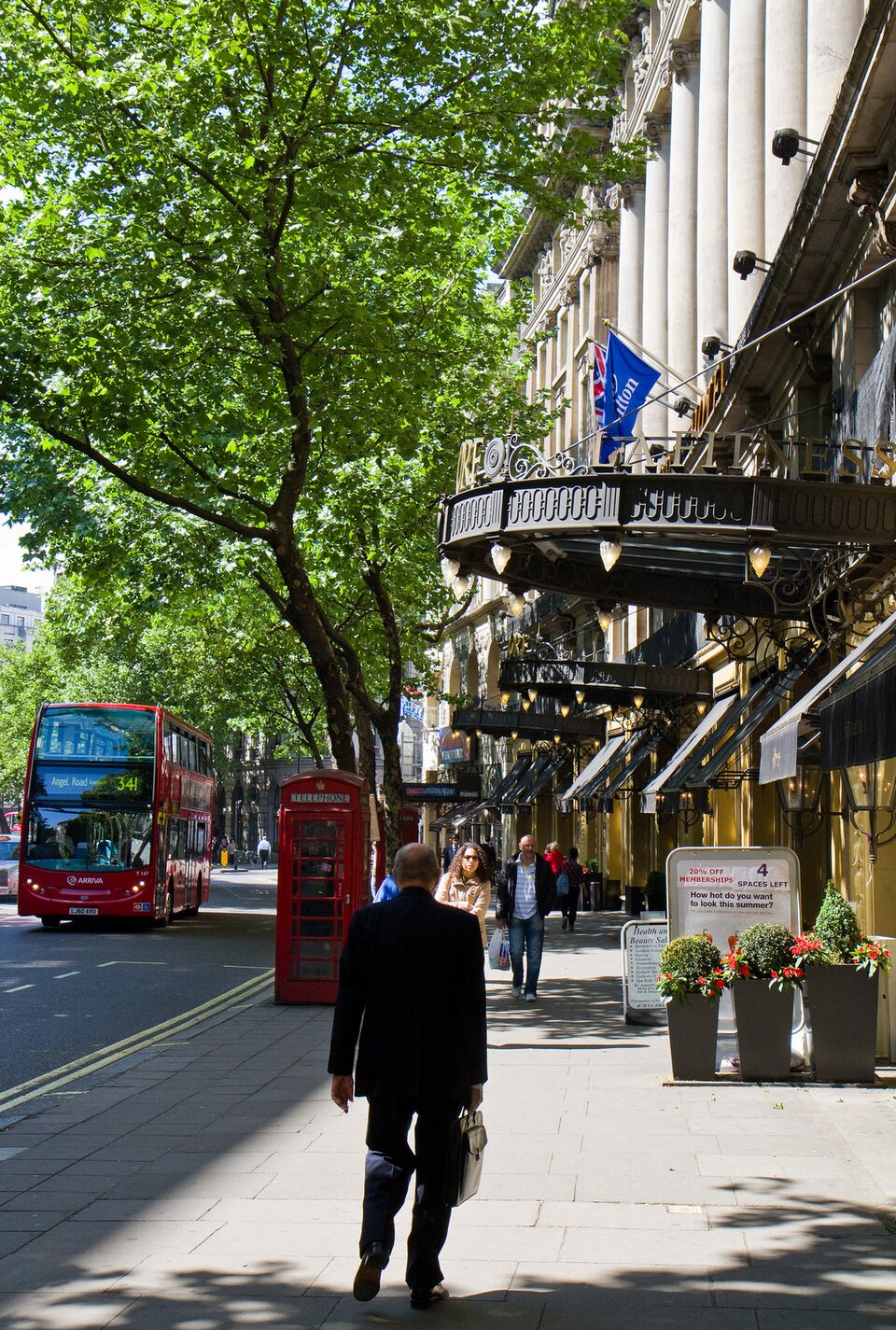
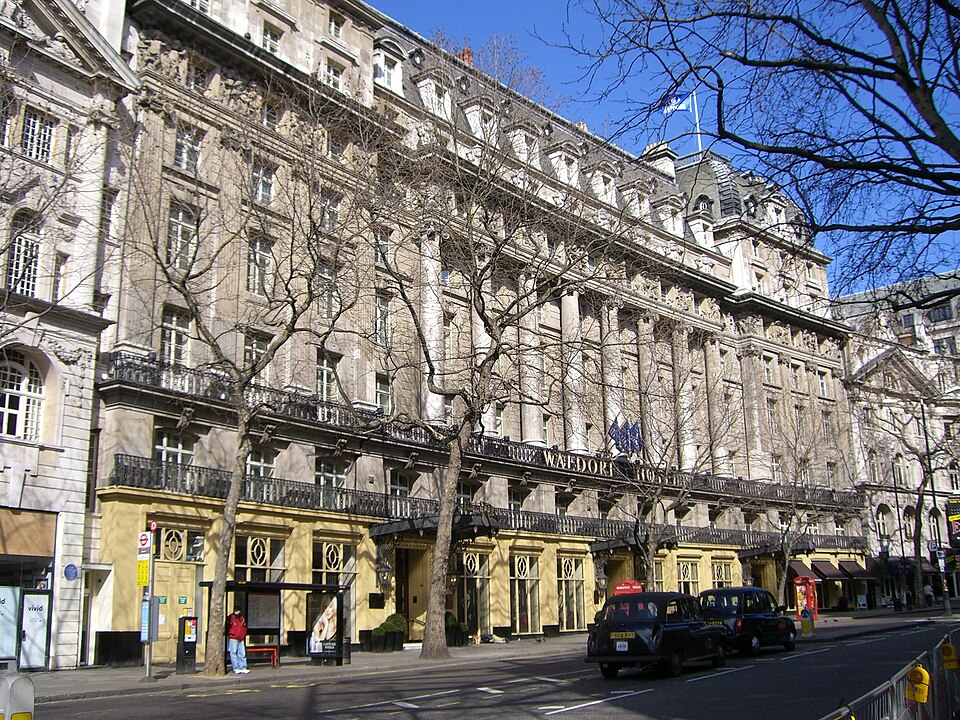
The Waldorf Hilton has been an elegant hotel at the eastern gateway to London’s theatre district since 1908.
The hotel’s name was inspired by New York’s Waldorf-Astoria. Its Palm Court and ballroom evoke the atmosphere of Edwardian social life.

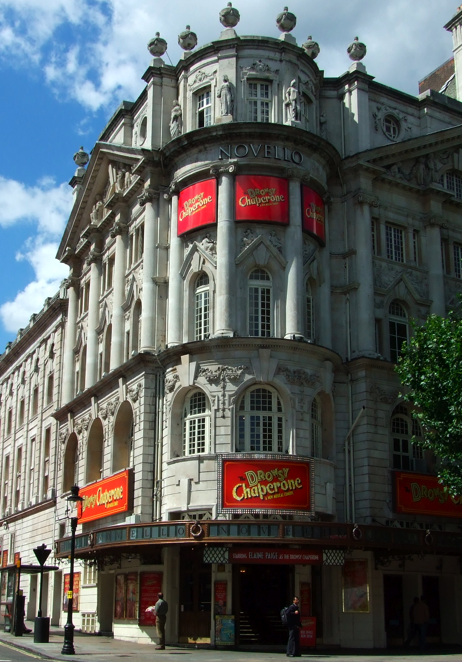
The Novello Theatre is the Aldwych playhouse overlooking the Thames and home to the ABBA musical Mamma Mia.
The theatre opened in 1905 as the Waldorf Theatre. It was later named after the actor and songwriter Ivor Novello.
Turquoisefish at English Wikipedia

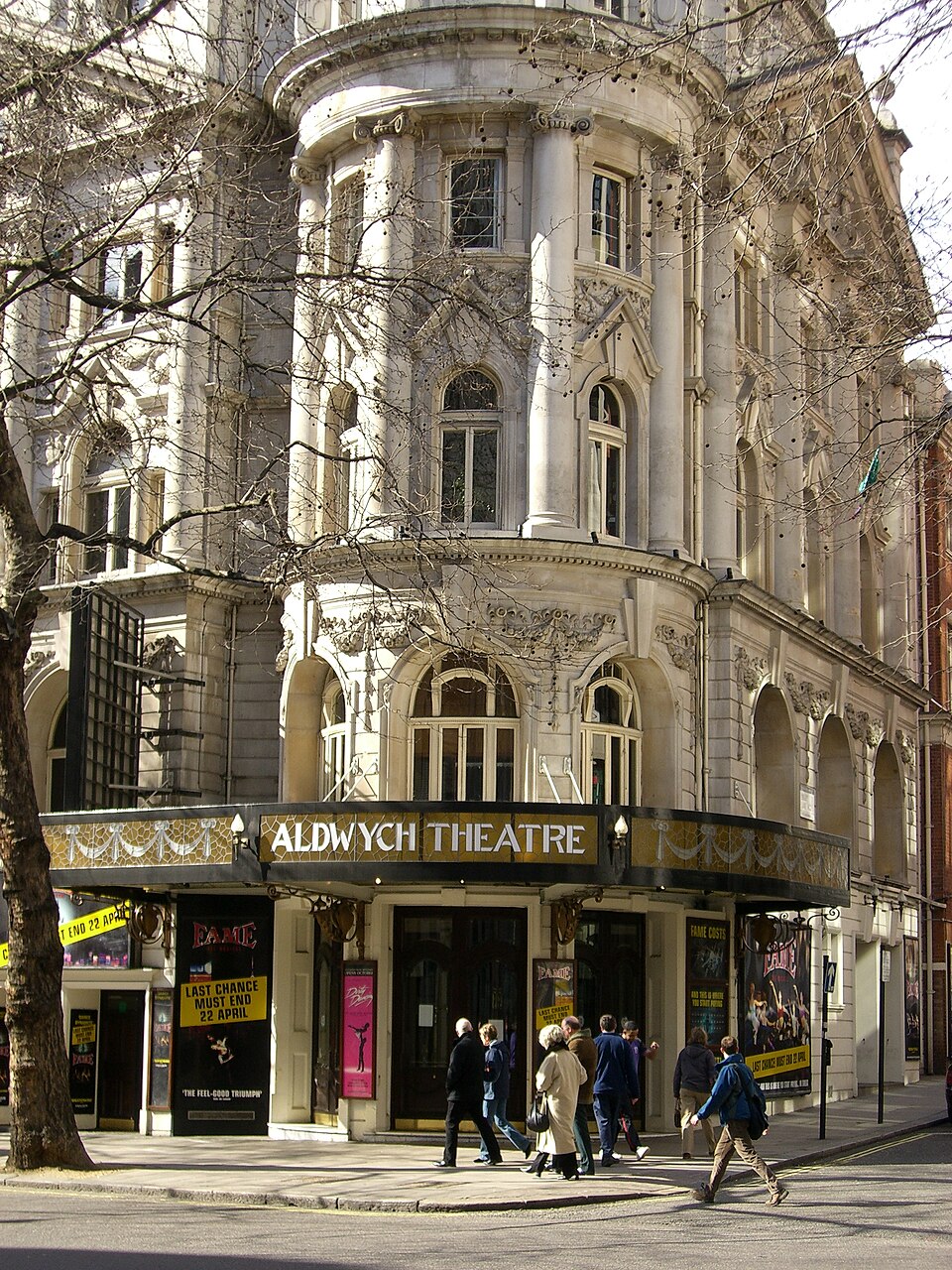
Aldwych Theatre opened in 1905 and has hosted plays, revues and major musicals throughout its history.
Built as a companion to the Novello, this theatre stands at the opposite side of Aldwych’s curve. Its history includes the Royal Shakespeare Company’s London seasons.

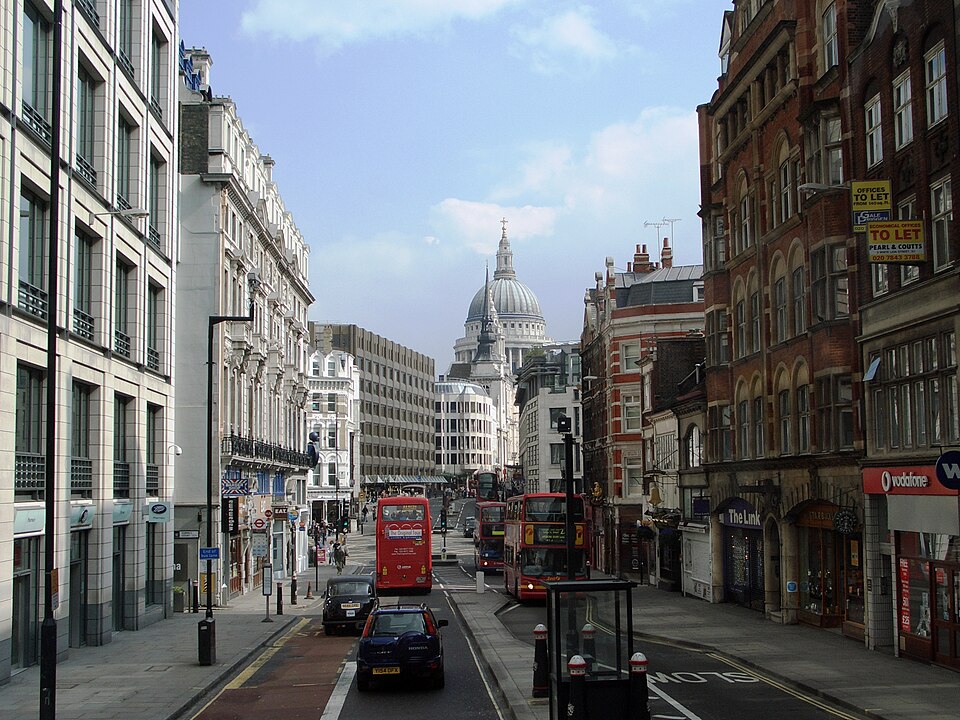
Fleet Street was the centre of the British press for centuries, and its name remains shorthand for journalism.
Fleet Street takes its name from the river Fleet, now largely underground. The newspapers moved away, but traces of the publishing trade remain.

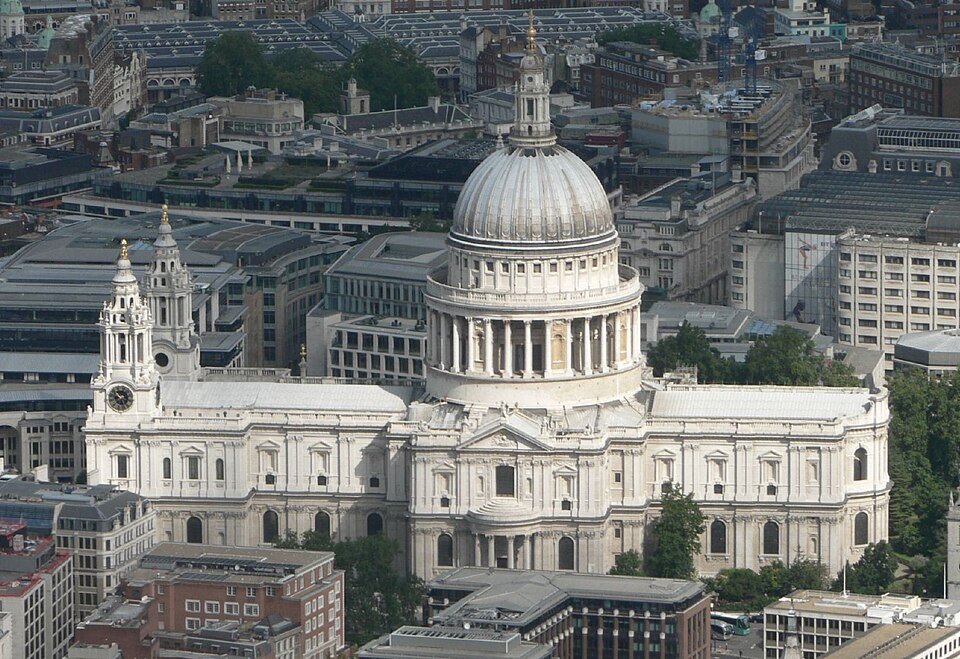
The great dome of St Paul’s Cathedral has dominated London’s skyline for more than three centuries.
Christopher Wren designed the cathedral after the Great Fire of 1666. Its crypt includes the tombs of Wren, Nelson and Wellington.

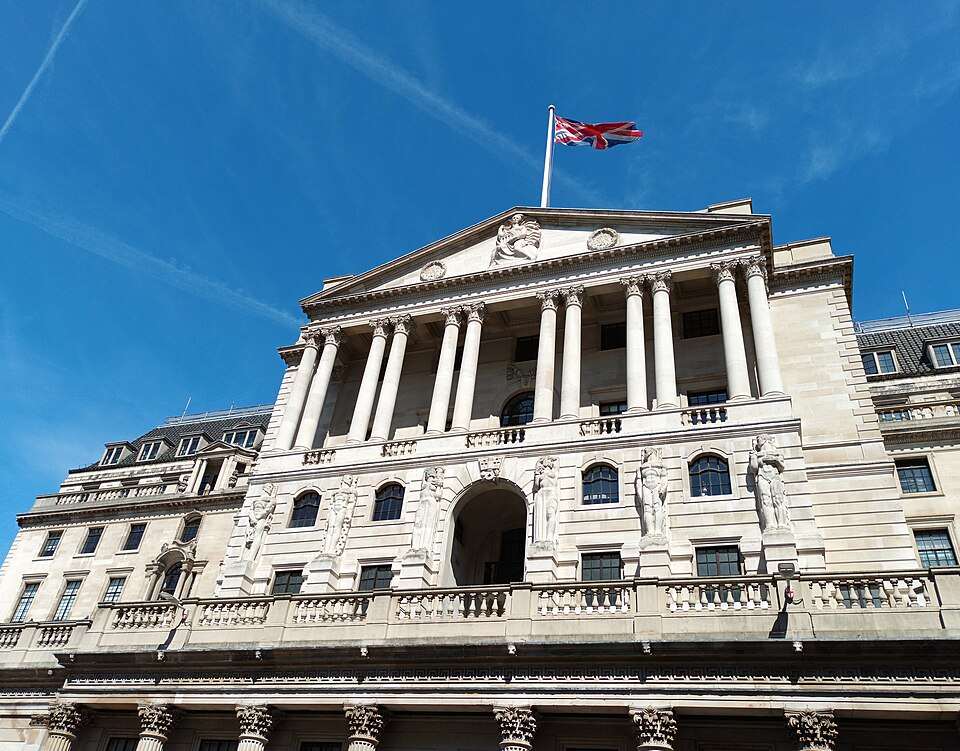
The Bank of England has served as the nation’s central bank since 1694 and is nicknamed the Old Lady of Threadneedle Street.
Much of the bank’s fortress-like exterior was shaped by Sir Herbert Baker in the twentieth century.

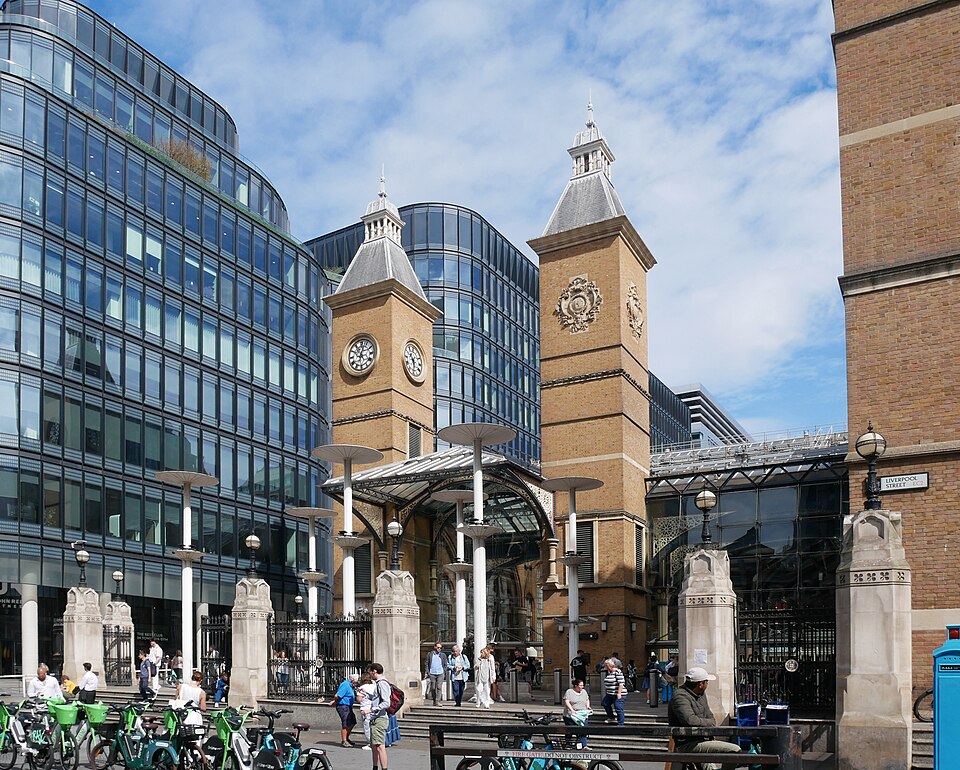
Liverpool Street is the City’s main rail gateway to East Anglia, Stansted Airport and the Elizabeth line.
The station opened in 1874 for the Great Eastern Railway. Later developments at Broadgate transformed the streets around it.

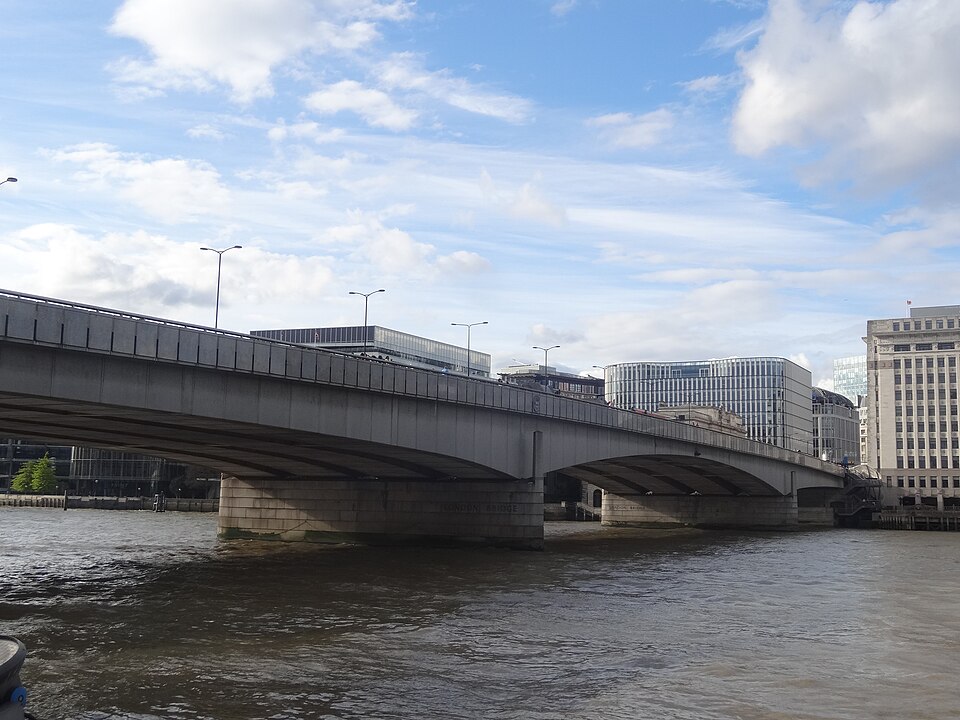
London Bridge marks an ancient crossing that was London’s only bridge over the Thames for centuries.
The medieval bridge carried houses and shops. Its nineteenth-century successor was sold to Arizona; the present bridge opened in 1973.

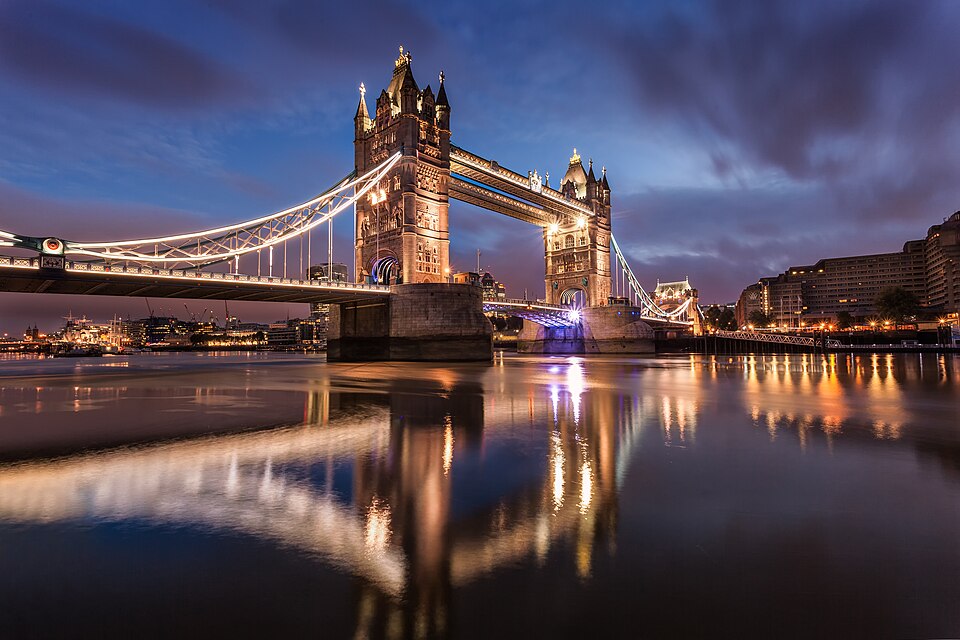
Tower Bridge combines two Gothic Revival towers with bascules that lift for tall ships.
The bridge opened in 1894, designed by Horace Jones and John Wolfe Barry. Its original Victorian steam machinery is part of the bridge’s engineering story.

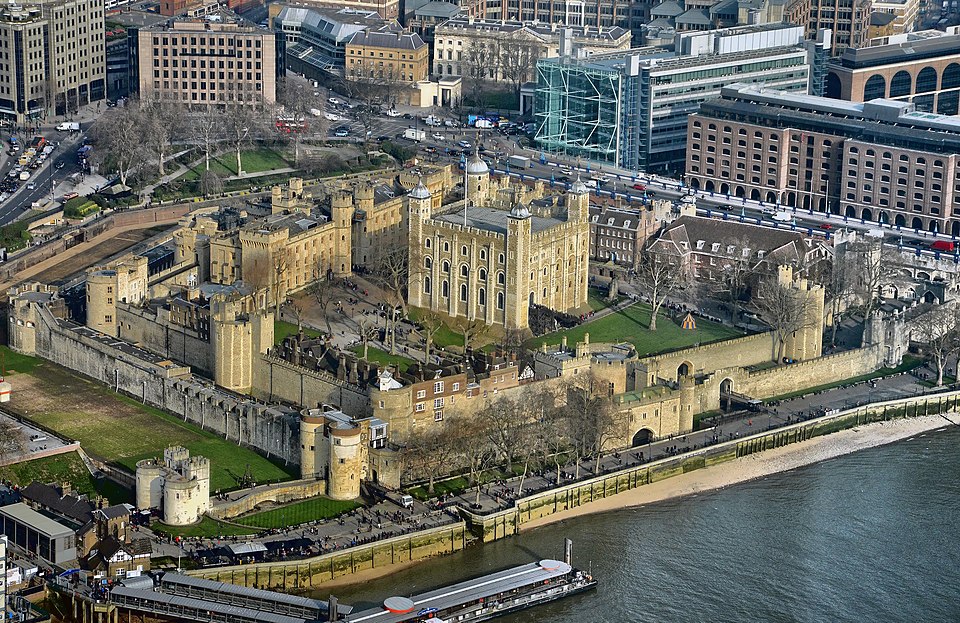
The Tower of London evolved from a Norman fortress into a royal palace, prison, armoury and home of the Crown Jewels.
William the Conqueror began the White Tower in the late eleventh century. Ravens, royal prisoners and the Yeoman Warders are woven into the fortress’s history.

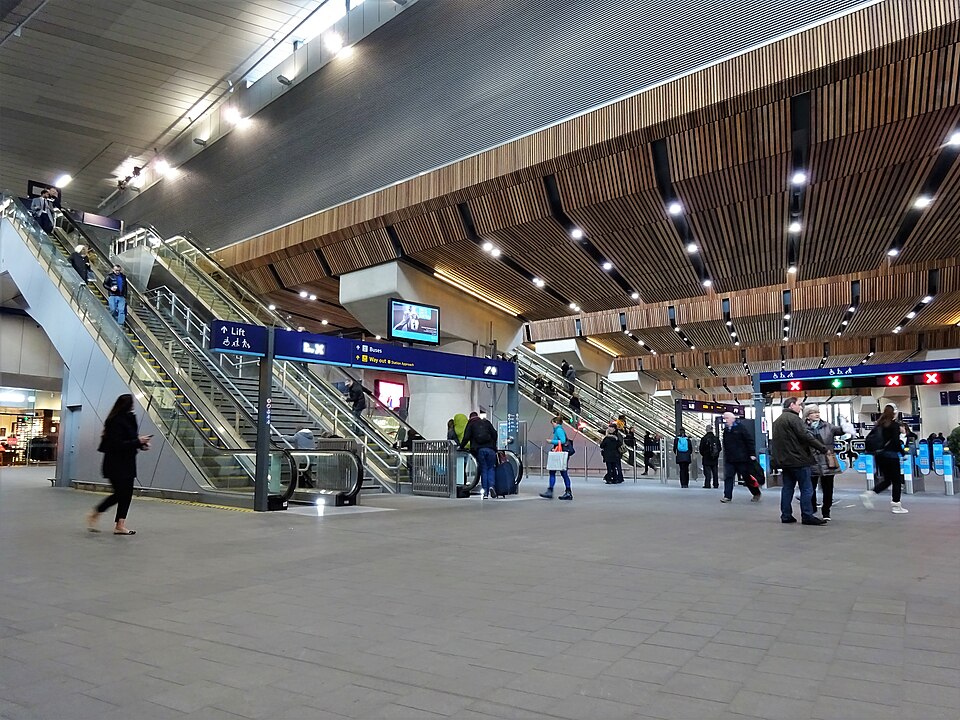
London Bridge is London’s oldest surviving central railway terminus, directly beneath the Shard.
The original station opened in 1836. A major twenty-first-century rebuilding created a spacious concourse connecting rail services with the surrounding neighbourhood.

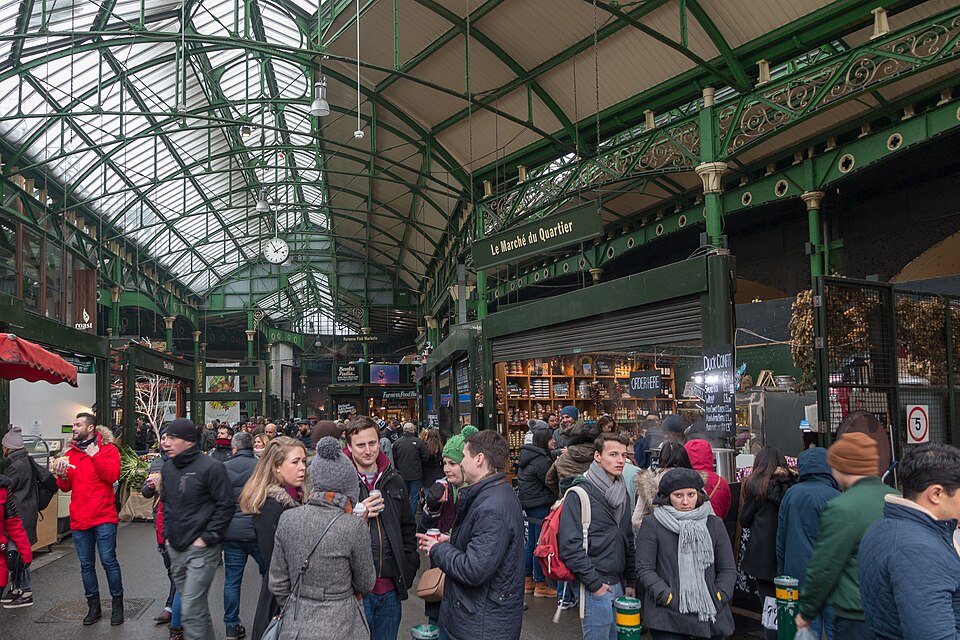
Borough Market is one of London’s oldest food markets, with medieval roots and an international street-food scene.
The market developed beside the southern approach to London Bridge. Much of its characteristic iron-and-glass structure dates from the nineteenth century.

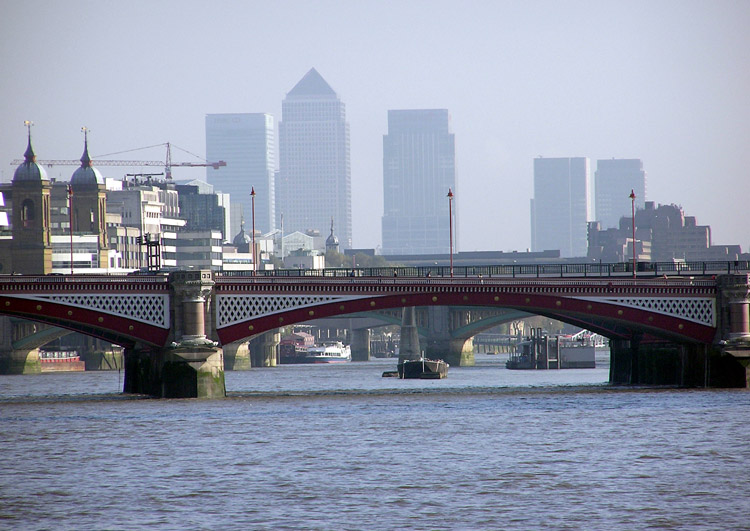
Blackfriars Bridge links the City with the South Bank on distinctive red-and-white piers.
The present road bridge opened in 1869. Look nearby for the line of surviving piers from an older railway bridge.

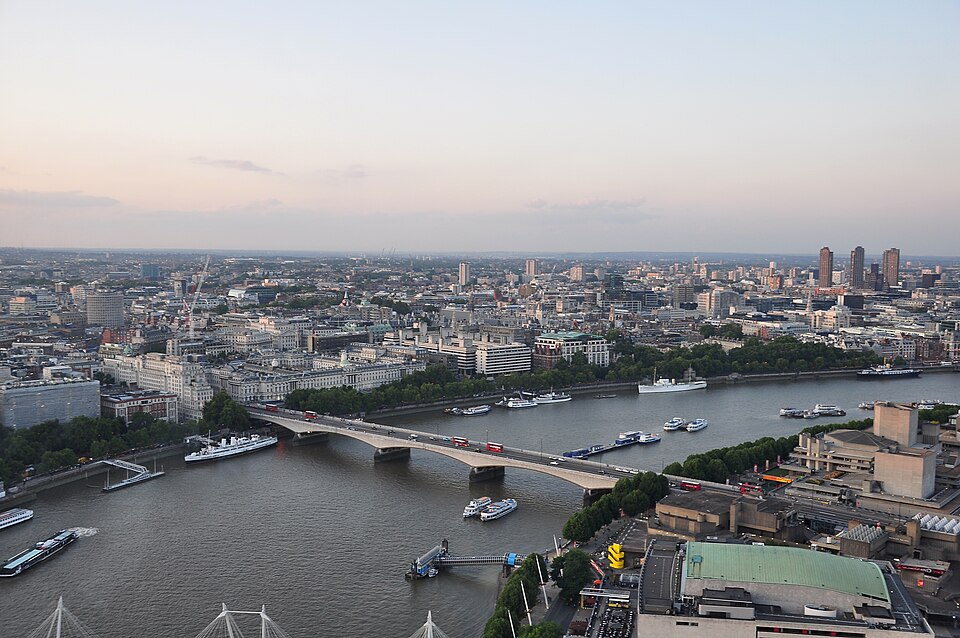
Waterloo Bridge offers one of London’s finest central panoramas towards both the City and Westminster.
The present bridge was built during the Second World War and opened in 1945. Its nickname, Ladies’ Bridge, recalls the women who worked on its construction.

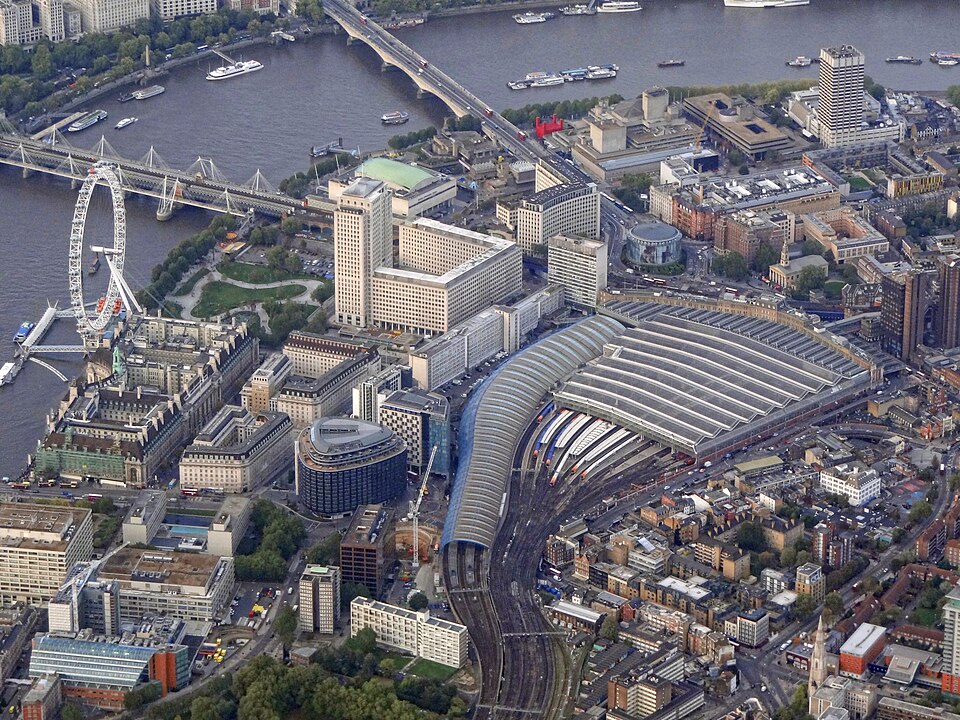
Waterloo is one of Britain’s largest stations and the main London terminus for the south-western suburbs.
Waterloo opened in 1848 and gradually grew into a vast terminus. Its name comes from the nearby bridge and, indirectly, the Battle of Waterloo.

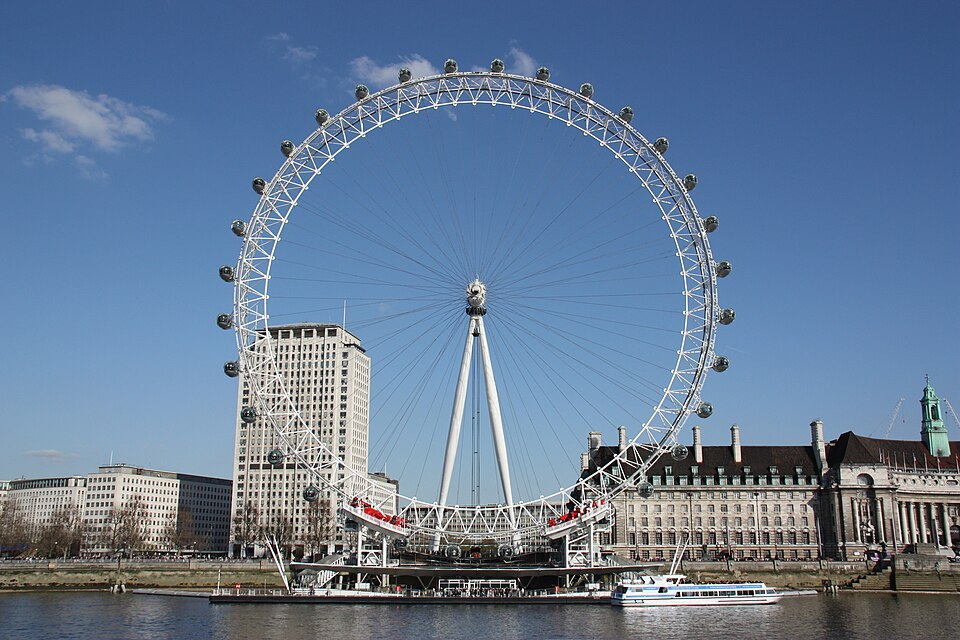
The 135-metre London Eye completes a half-hour rotation with panoramic views across the capital.
David Marks and Julia Barfield designed the wheel, which opened in 2000. Its 32 capsules represent London’s 32 boroughs.

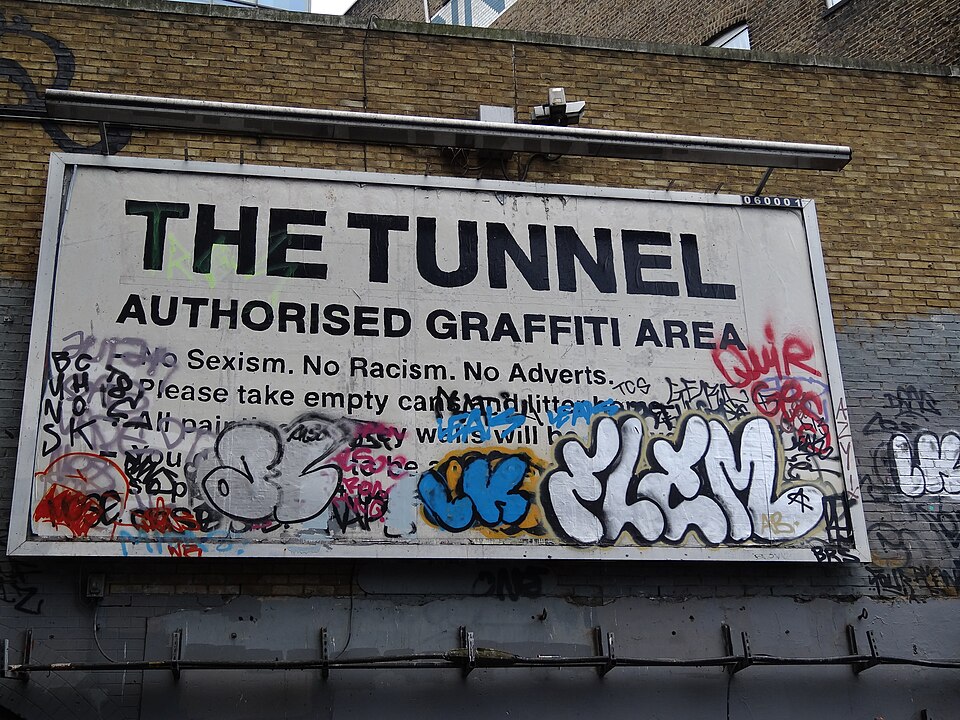
Leake Street Tunnel is a legal graffiti tunnel beneath the railway tracks at Waterloo Station.
Banksy’s Cans Festival brought wider attention to the tunnel in 2008. Its painted walls change as artists create new work over earlier pieces.

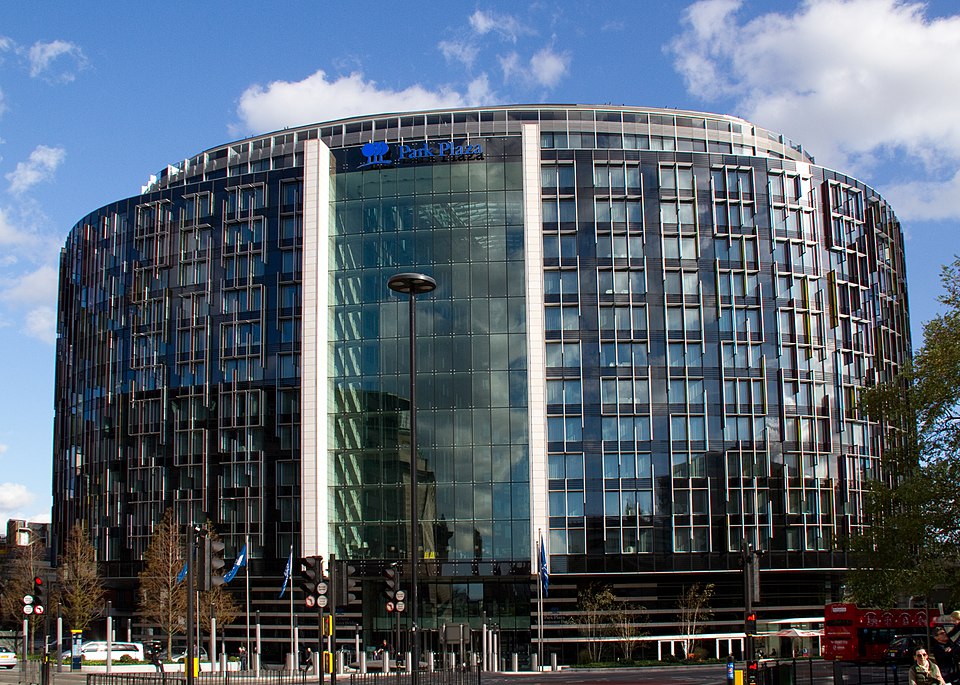
Park Plaza Westminster Bridge is a modern curved hotel and a useful landmark between Big Ben, the London Eye and Waterloo.
The hotel opened in 2010 beside the southern end of Westminster Bridge. Its curved façade follows the shape of the surrounding road junction.

Fitzrovia is a bohemian central district mixing media companies, restaurants, artists and historic pubs.
The district’s name is often linked to writers and artists gathering around the Fitzroy Tavern. Its cultural history includes George Orwell and Dylan Thomas.

Baker Street is known around the world as the fictional address of Sherlock Holmes at 221B.
The street was named after William Baker. Its station also connects the area with the opening of the Metropolitan Railway in 1863.

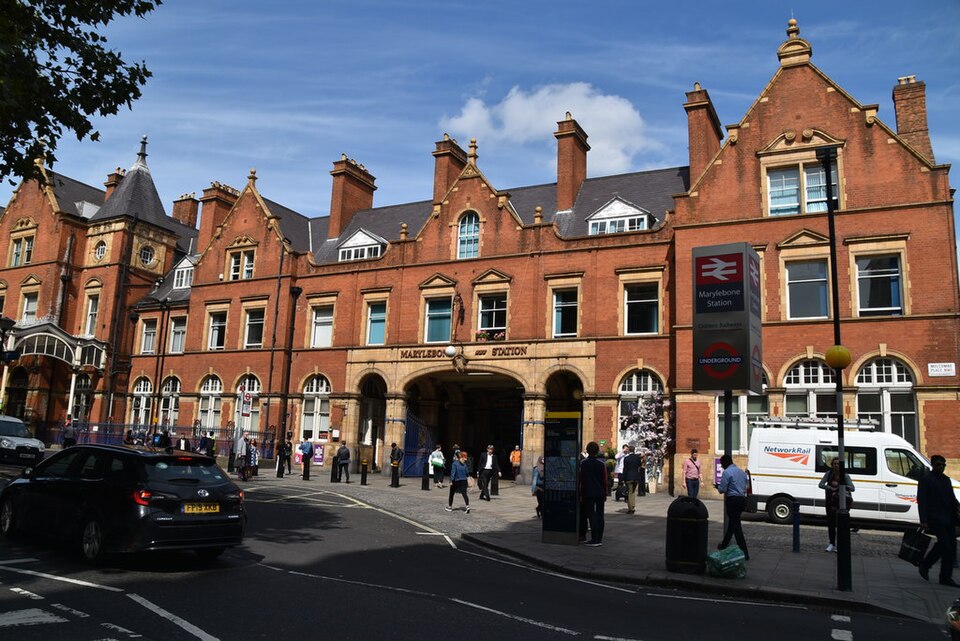
Marylebone is London’s smallest mainline terminus and retains an intimate Edwardian atmosphere.
The Great Central Railway opened this London terminus in 1899. Its red-brick frontage has also appeared on screen.

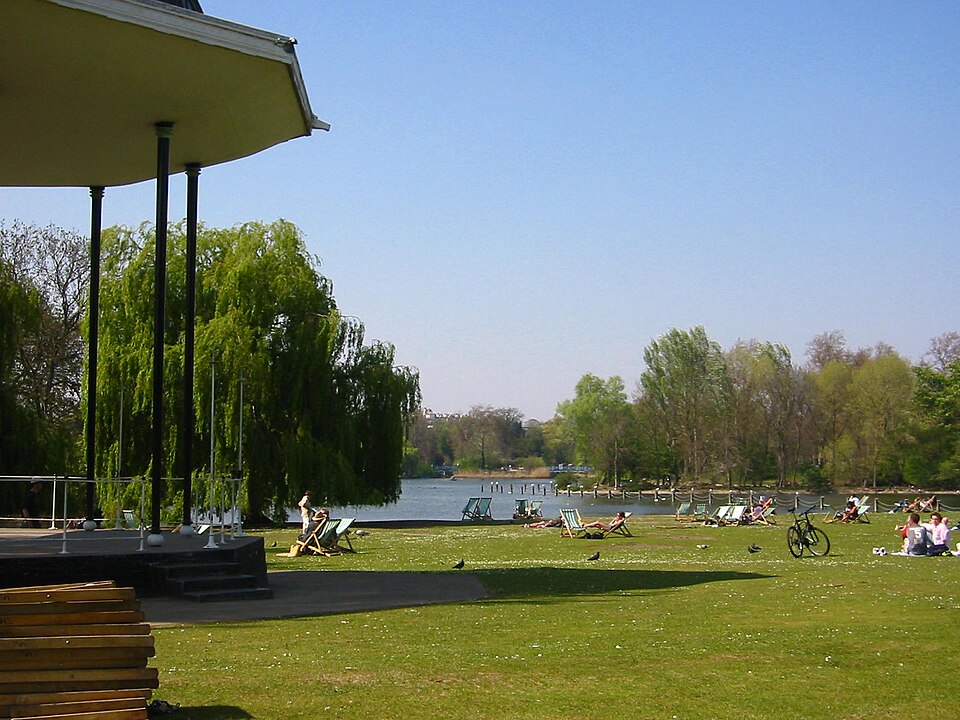
Regent’s Park combines formal gardens, sports fields, an open-air theatre and London Zoo.
John Nash laid out the park in the early nineteenth century for the Prince Regent. Its gardens and lake offer different landscapes within the same park.

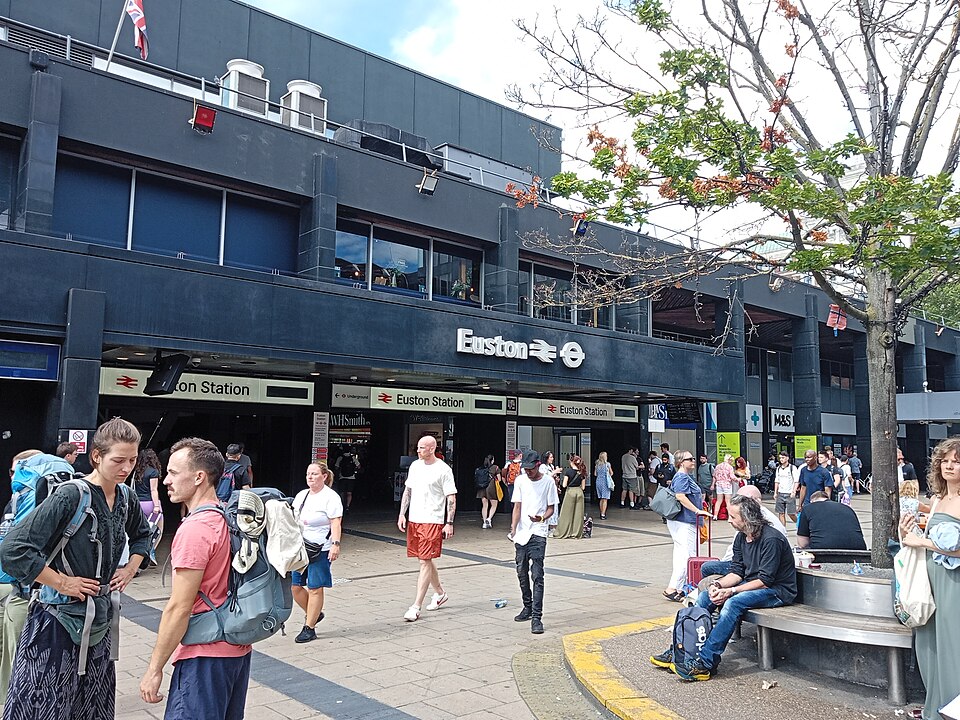
Euston opened in 1837 as London’s first intercity terminus and remains the gateway to the West Coast Main Line.
The original station’s monumental Euston Arch was demolished during modernisation in the 1960s.

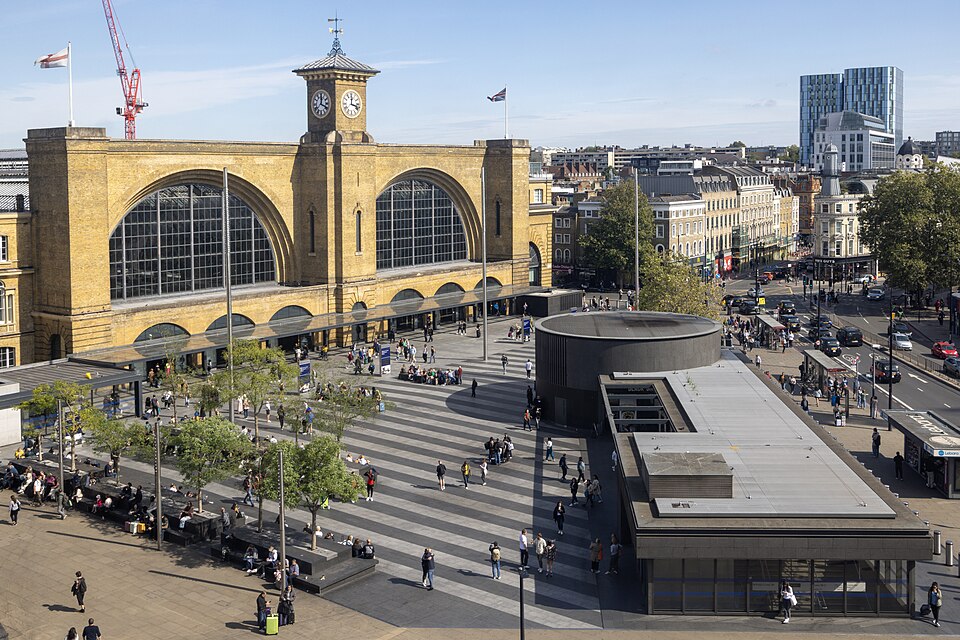
King’s Cross is a great Victorian terminus and a tourist attraction thanks to Harry Potter’s Platform 9¾.
Lewis Cubitt’s station opened in 1852 with two great arched train sheds. The sweeping roof of a new concourse was added in 2012.

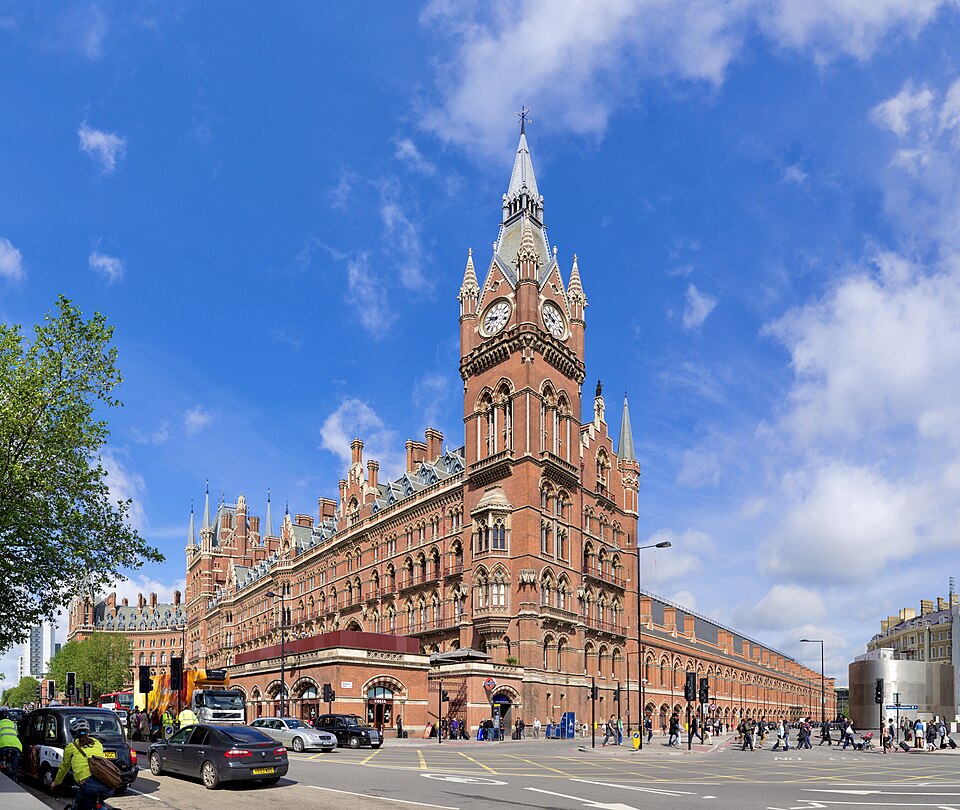
Eurostar trains to continental Europe depart behind St Pancras International’s red-brick Gothic façade.
The station opened in 1868 beneath William Barlow’s vast train-shed roof. George Gilbert Scott designed the grand hotel facing Euston Road.

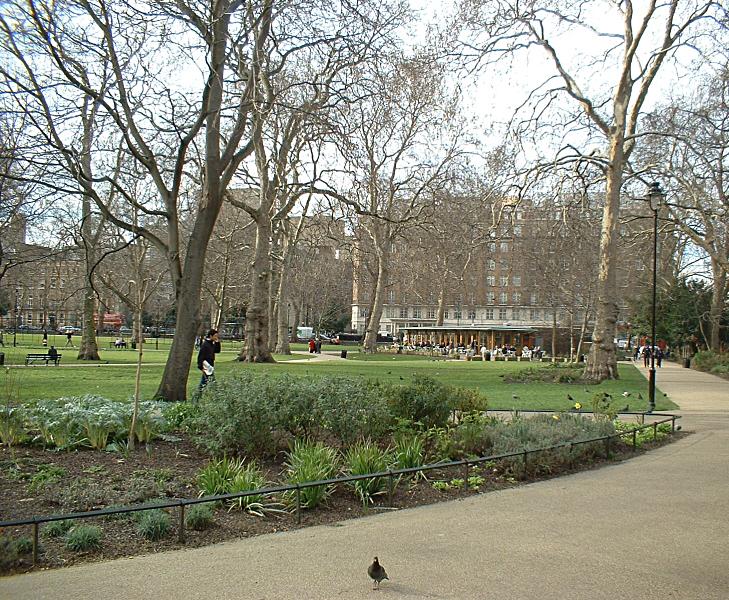
Russell Square is Bloomsbury’s grand garden square, close to hotels, universities and the British Museum.
Humphry Repton designed the square’s garden in the early nineteenth century. The surrounding district later became closely associated with Bloomsbury’s writers and universities.

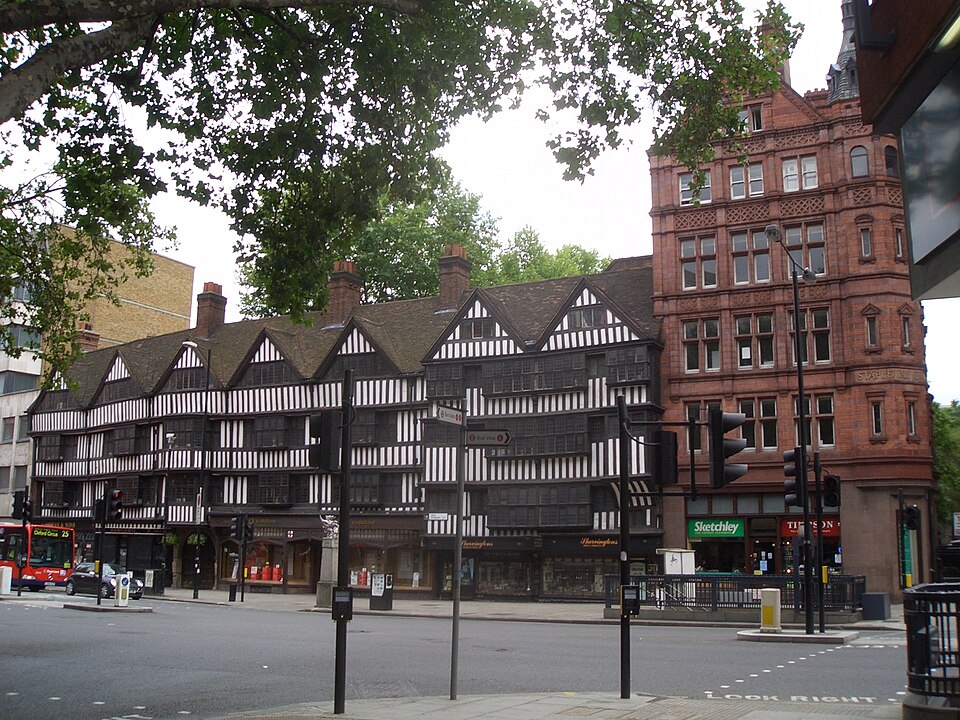
Holborn is the historic legal and commercial district between the West End and the City.
Nearby Inns of Court and Lincoln’s Inn Fields preserve centuries of London’s legal history among gardens, churches and historic buildings.

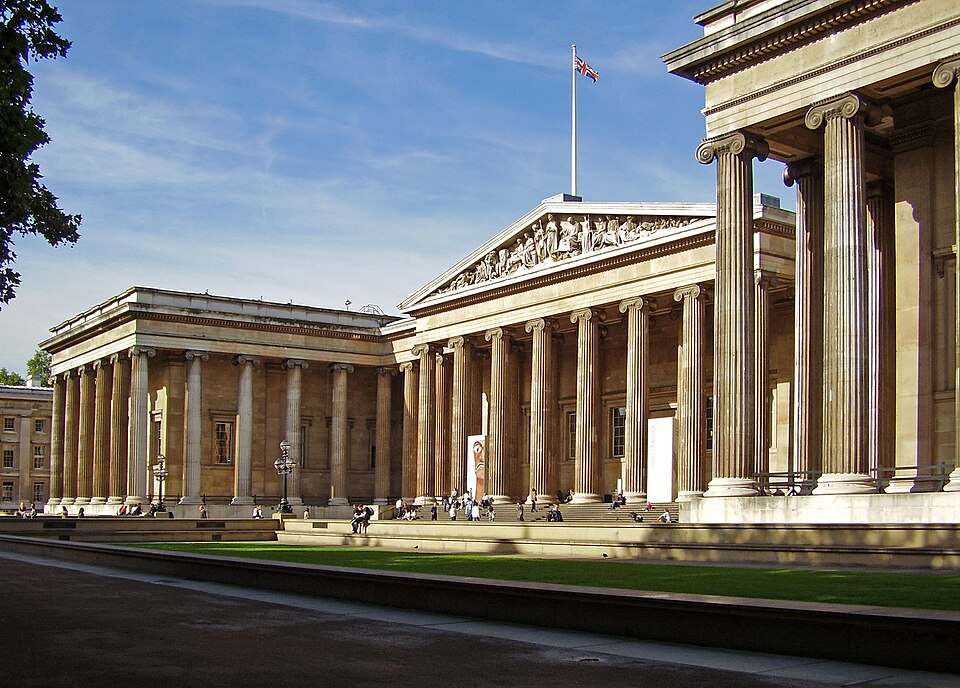
The British Museum tells the story of human cultures through a collection of more than eight million objects.
Founded in 1753 from Hans Sloane’s collection, the museum opened to the public in 1759. Its Great Court has a glass roof designed by Norman Foster.

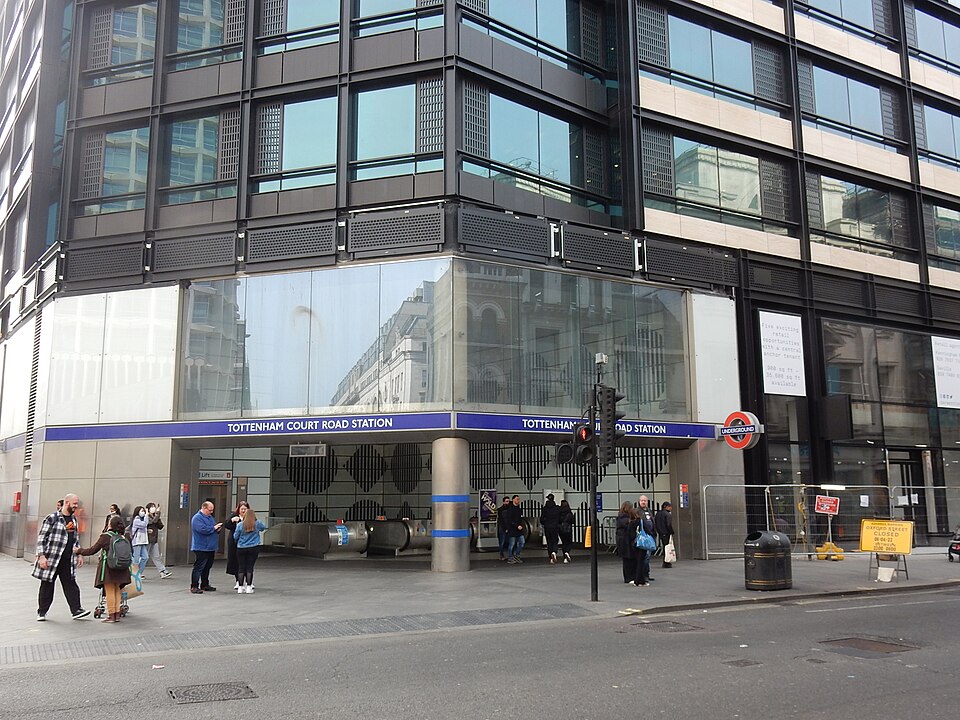
Tottenham Court Road has become one of the West End’s most important transport interchanges since the Elizabeth line opened.
Eduardo Paolozzi’s mosaics are a distinctive part of the station’s identity. Later railway work greatly expanded the underground spaces.

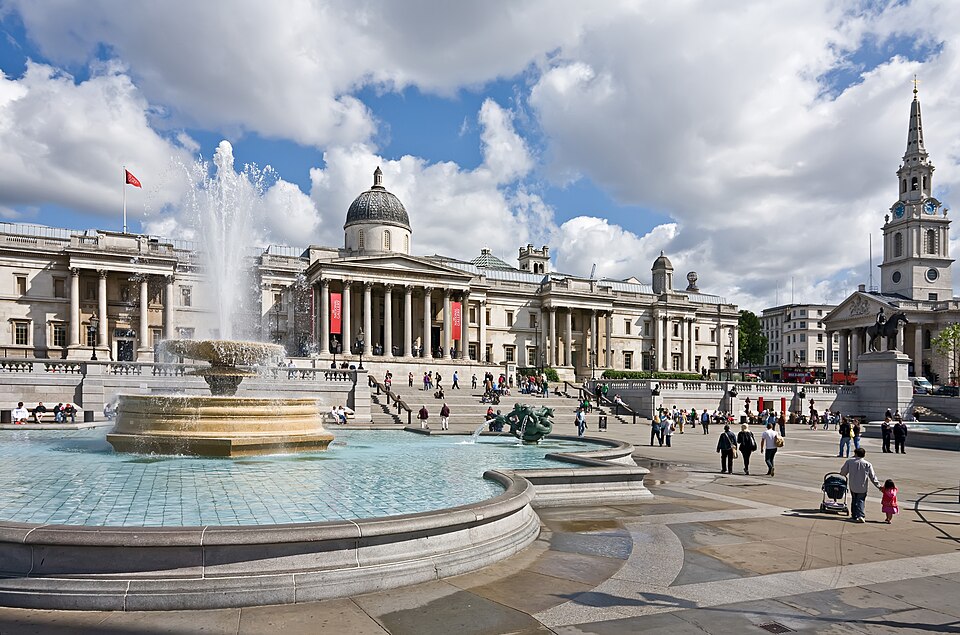
Trafalgar Square is centred on Nelson’s Column, surrounded by fountains, lions and the National Gallery.
The square takes its name from the naval victory at Trafalgar in 1805. It has long hosted public celebrations, demonstrations and national gatherings.

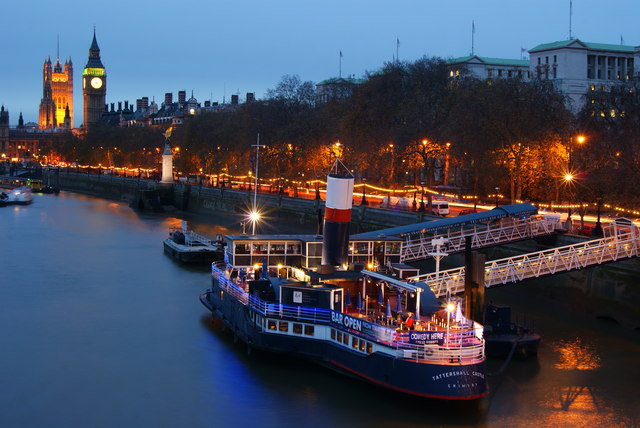
Victoria Embankment is a riverside avenue created by the great nineteenth-century reconstruction of the Thames waterfront.
Joseph Bazalgette’s embankment works made room for sewers, a road and railway infrastructure while reshaping this stretch of the Thames.

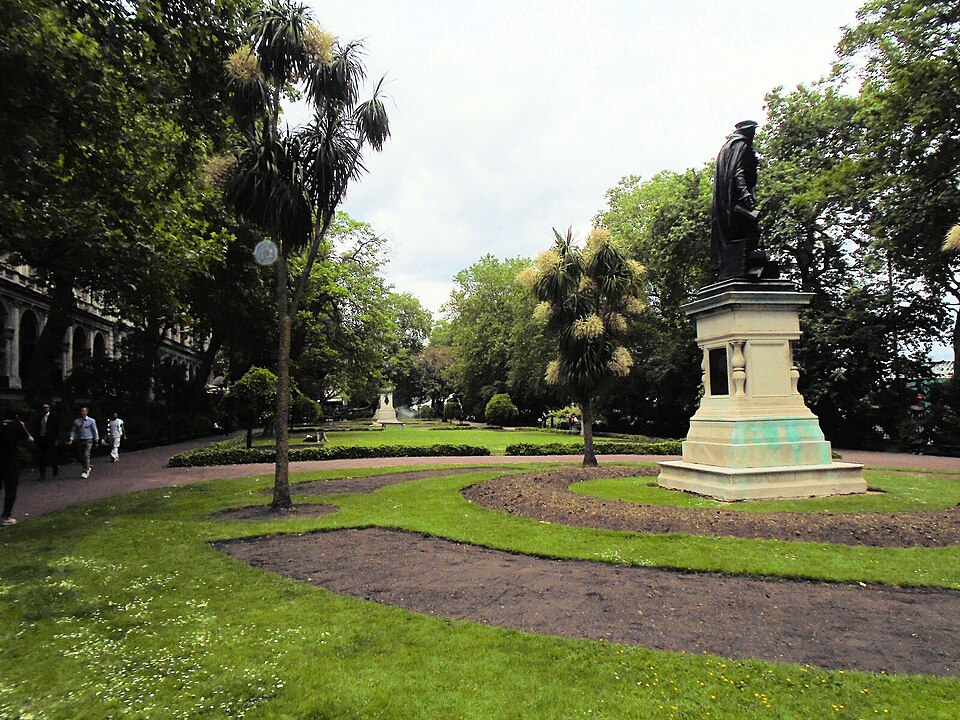
Whitehall Gardens is a quiet riverside garden between the government district, grand hotels and the Embankment.
The gardens were laid out after the nineteenth-century embankment works. Their monuments commemorate figures from military, political and engineering history.
Whitehall Gardens by Paul Gillett

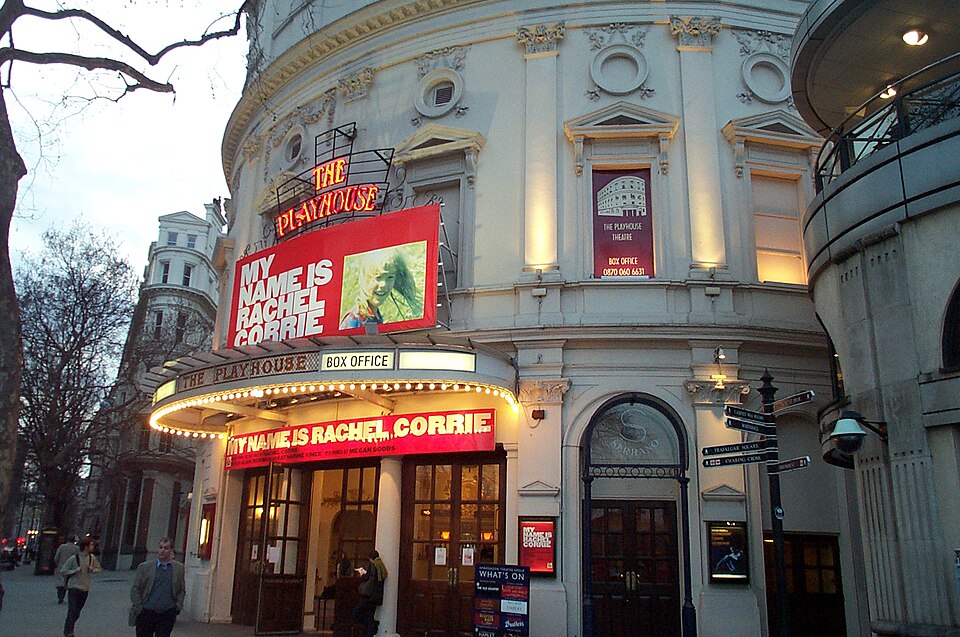
The Playhouse Theatre was transformed into the Kit Kat Club for London’s immersive production of Cabaret.
The theatre first opened in 1882 and was rebuilt in 1907. Its interior was later transformed into an intimate club setting for Cabaret.

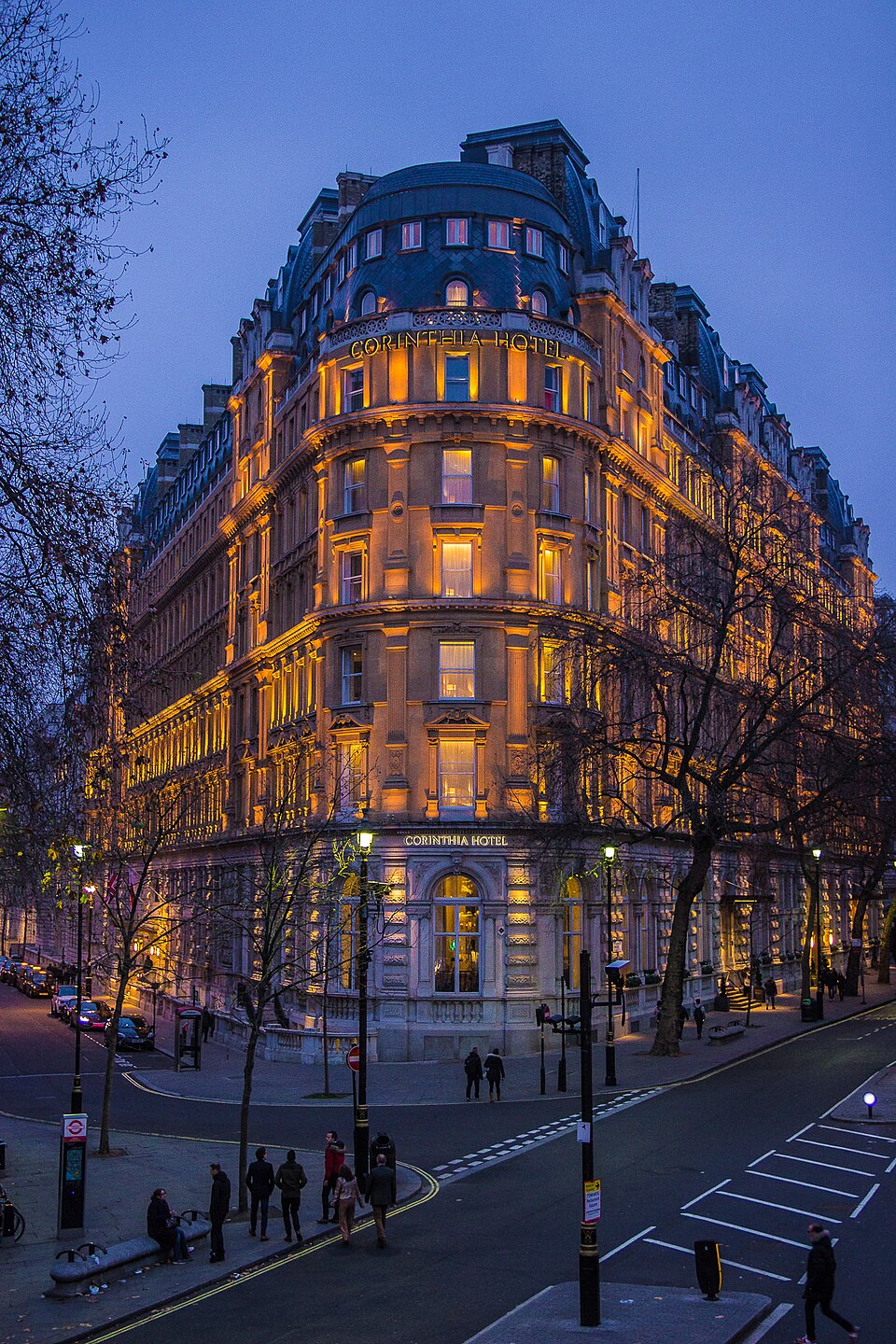
Corinthia London occupies a grand Victorian building that evolved from hotel to government offices and back to luxury hospitality.
The building opened as the Hotel Metropole in 1885 and later served government purposes. It reopened as the Corinthia in 2011.

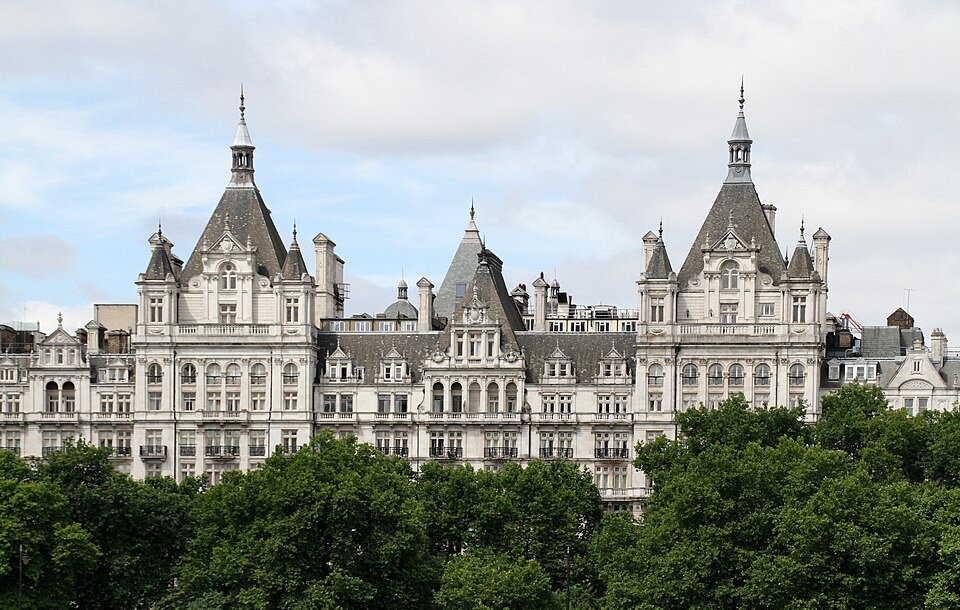
The Royal Horseguards is a turreted French Renaissance-style hotel between Whitehall Gardens and the Thames.
The building was developed in the late nineteenth century for the National Liberal Club and apartments. Its river-facing frontage is a distinctive part of Whitehall.

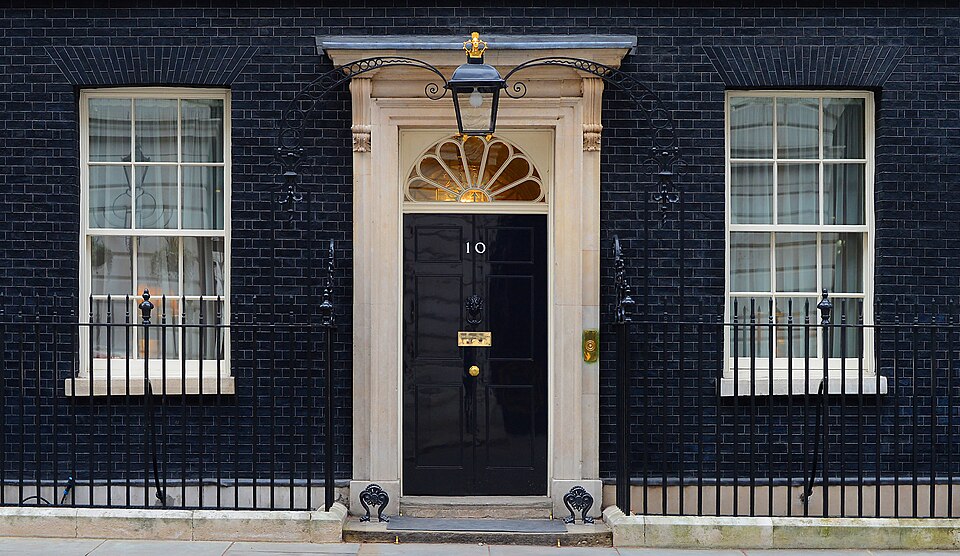
10 Downing Street has been the official London residence and workplace of the British prime minister since 1735.
Behind the modest-looking black door lies a connected complex of government buildings. The gated street can be viewed from the Whitehall entrance.
Photo: Sergeant Tom Robinson RLC/MOD

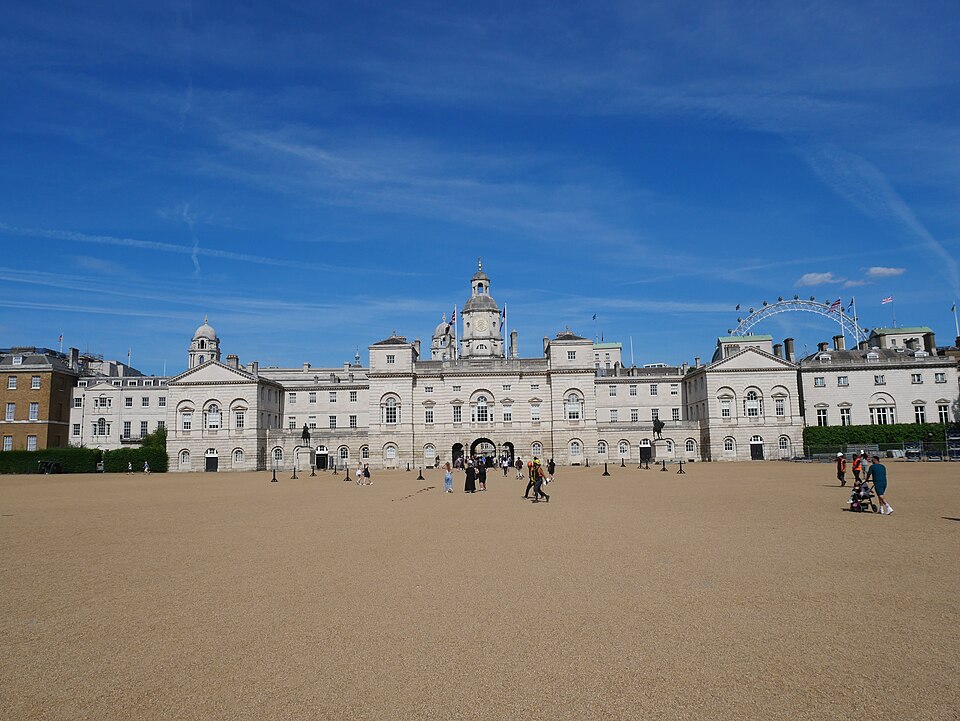
Horse Guards is the ceremonial gateway between Whitehall and Horse Guards Parade.
The eighteenth-century building once housed the British Army’s headquarters. Mounted guards and ceremonial occasions remain closely associated with the site.